

Parasite and Capitalism: What the Film Says About the Pursuit of Wealth
Bong Joon Ho’s masterpiece, Parasite (2019) became one of the few international films to break into the American mainstream.
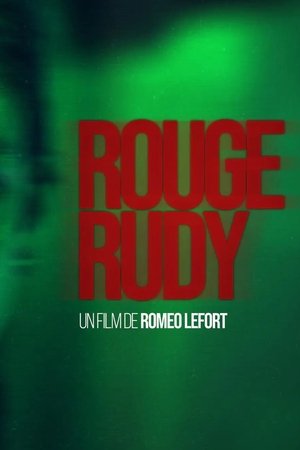


Rudy, a lonely young man in his twenties, has been working in a night grocery store for several years. He lives with his mother, a woman grieving the death of her husband. Her overprotectiveness imprisons him despite herself.
Bong Joon Ho’s masterpiece, Parasite (2019) became one of the few international films to break into the American mainstream.
This 2016 winner of an Ophir Award for Best Film focuses on the forbidden romance of a young, Bedouin woman and the ramifications it has for her family, her identity, and her culture.
In addition to the cast being delightfully diverse this time around, the film was just loosely-plotted and action-packed enough to keep a casual fan like myself entertained. While I do agree that the writing of Cole left much to be desired for an original character thrust into a preconceived universe, none of the characters seemed particularly fleshed out in terms of personality; however, I think that's to be expected when you're watching a film literally inspired by a video game.
Diversity is incorporated in a way that only aids in a well-rounded conveying of stories through different lenses. The show’s success is a testament to what audiences are craving: authentic stories that broaden the mind and heart.
The characters aren’t likable, the story is predictable and the humor is either disgusting, obnoxious, or uncomfortable. The Wrong Missy is a mess of a film and it’s not really worth your time.
Hiring bias is something that's rampant in all industries (even unconscious bias). But writing a script totally neutral not only opens the door for more diverse actors, but also for characters that are people first.