

Trans Representation Through Disney’s 'Mulan'
Mulan had to struggle to feel like herself and see herself properly. Some of us have to strive to have our reflection mimic what’s inside. We have to crawl. We have to fight.
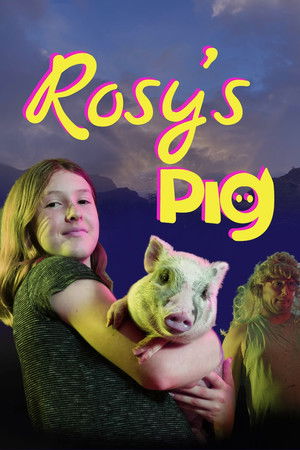


In the heartwarming family feature film 'Rosy's Pig,’ we follow the spirited journey of Rosy, an 11-year-old girl with an unwavering desire for a furry companion. However, her world takes a dramatic turn when her father faces the loss of his business, and Rosy is entrusted to live with her eccentric aunt who shares her home with a most unusual pet—a lovable and mischievous pig. As Rosy finally gets her long-awaited pet, she embarks on a rollercoaster of adventures, joy, and, of course, a few hilarious mishaps. In a tale filled with laughter, daring heists, and heartwarming moments, 'Rosy's Pig’ is a charming cinematic experience for the entire family, especially those who hold a special place in their hearts for our oink-tastic friends. Join Rosy as she discovers the true meaning of family and the extraordinary bonds that can form in the most unexpected places.
Mulan had to struggle to feel like herself and see herself properly. Some of us have to strive to have our reflection mimic what’s inside. We have to crawl. We have to fight.
Darren Arronofsky focuses on diverse and heartbreaking stories about the human experience.
This film manages to be simultaneously topical and timeless. Without being preachy, it highlights society’s flawed relationship with tech; insights into the complex ideas of family struggle are expertly dispersed among a perfectly paced and balanced story.
Despite its glaring flaws, First Girl I Loved is not entirely undeserving of a watch. For people who can handle the more difficult aspects of the story and graphic scenes, it is worth looking into. It’s not a film worthy of rewatch, but it may still resonate somewhat with those who need a story like this. It is a genuine, if flimsy attempt at a coming-of-age tale. Were the film to be directed by someone with experiences more similar to Anne, it would likely be more powerful--as it is, it feels like a man’s perspective of what it means to come to terms with your identity as a lesbian.
A bumpy journey about revolution and family makes us feel fear, disgust, humor, and satisfaction.
Dead Poets Society relies on patriarchal tropes such as overbearing fathers, contrived brotherhood, and faux-individuality in order to portray its straight white male characters as oppressed.