





Let's Make Way For the 'Wish Dragon'
A story of a magical dragon brings great representation for Chinese culture.
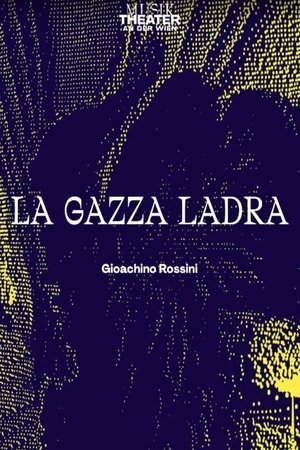


A feathered thief, a servant wrongly sentenced to death and a corrupt, power-hungry politician: those are the protagonists of Rossini’s semi-serious opera whose overture, with its drum rolls and oboe solo, is one of the best-known pieces in the history of music. La gazza ladra (The Thieving Magpie) is set in a time of great social upheaval. When Ninetta is accused of stealing a silver spoon, a series of unfortunate events begins that initially makes the happy ending expected from an opera semiseria seem highly unlikely. What sort of world is it where a person can be executed for the alleged theft of a spoon? Tobias Kratzer, successful as a director throughout Europe, now debuts in Vienna with Rossini’s opera that received its first performance in 1817 and traces the uncertainty felt by people in a politically and socially destabilised world.
A story of a magical dragon brings great representation for Chinese culture.
It’s a cool looking Marvel character right off the page! He’s got these glowing eyes and he just kicks ass everywhere he goes, seemingly impervious to pain.
Dead Poets Society relies on patriarchal tropes such as overbearing fathers, contrived brotherhood, and faux-individuality in order to portray its straight white male characters as oppressed.
This is not a story of oppression but a story of liberation.
Crossroads follows a young guitarist on a journey through the American South in search of blues history and his own voice.
An analysis on how the Garfield movie fails to represent the characters it is adapting, especially the women, by removing their best characteristics.