


Nevertheless, she persisted: Dora and the Lost City of Gold
Dora is the superhero we didn't know we needed.
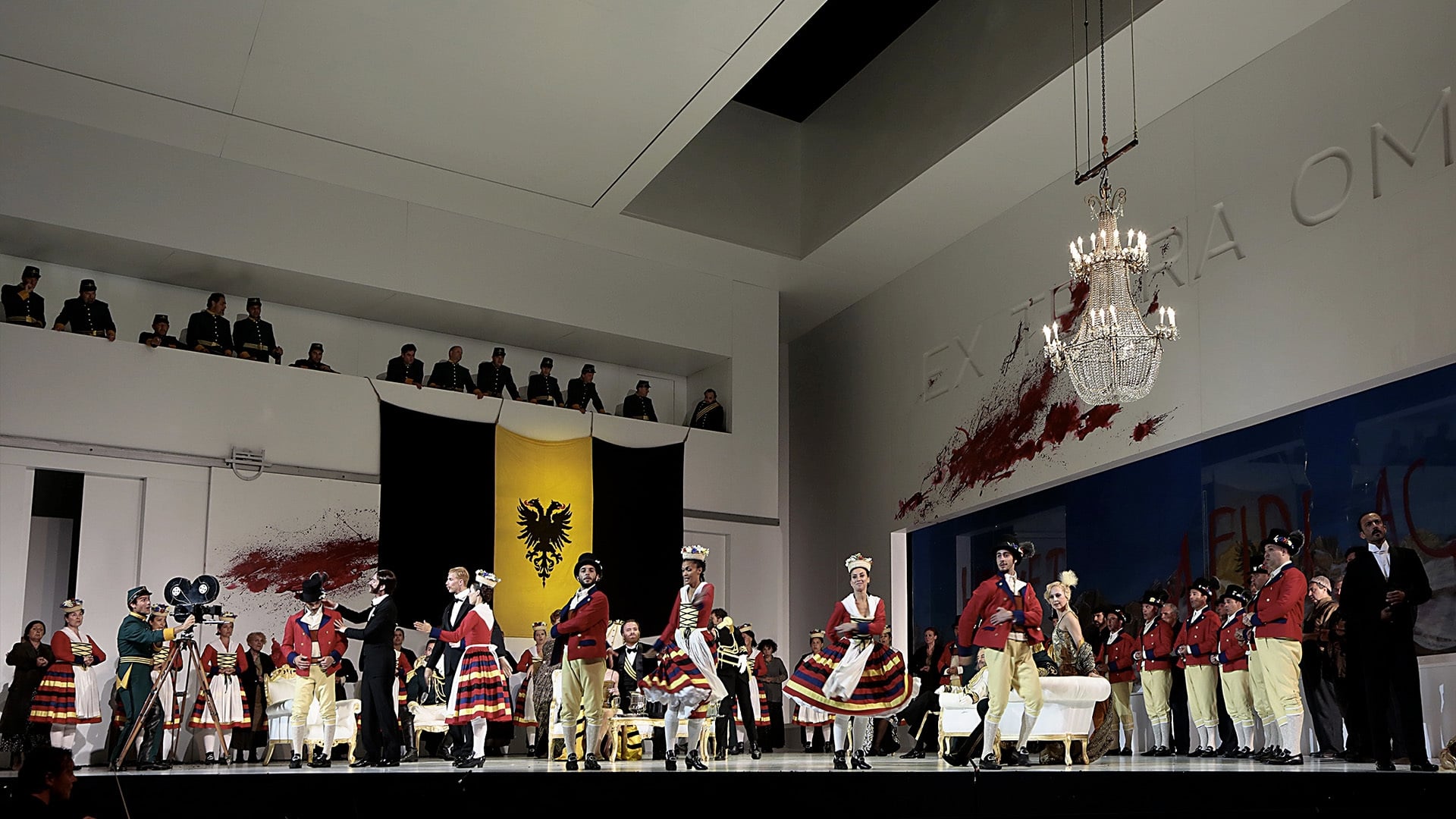



The hero of this admirably complete August 2013 Guillaume Tell from Pesaro is homegrown maestro Michele Mariotti. The inimitable overture is (mercifully) unstaged and terrifically played, with splendid cello and flute solos: the fine standard never flags. Rossini’s extraordinary 1829 score audibly presages Meyerbeer, Berlioz, Glinka, Verdi and Wagner, among many others. Graham Vick’s direction privileges class conflict, with a clenched fist on the red-and-white forecurtain. The Edwardian costumes place Austrians in white evening garb; the black-clad Swiss polish the floor while the rulers savor a filming (much of that to follow) — the fisherman Ruodi, in a boat with a blonde and fake scenery, with Tell and his family providing tech support. Vick deploys geographical and historical kitsch liberally but not (always) pointlessly. Ron Howell’s pretentious, mannered choreography, however, beggars belief.
Dora is the superhero we didn't know we needed.
Portraying how easy it is to be an ally heavily benefits the majority audience. The more we encourage it, normalize it, and give people the tools to become one, the sooner we can co-exist peacefully.
A new chapter for the Predator Franchise, Prey(2022), brings an action-packed film of two hunters going against one another to prove their worth in the hunt.
As a cultural touchstone, Jaws has launched a thousand parodies, tributes, and memorable quotes.
I hadn’t heard of it either until recently—and yet, it’s one of the highest grossing movies of all time.
Hitchcock is no stranger to innuendo, as was common in that era, but there was something so sophisticated about his approach to 'Rope', and it starts in the first frame.