


Incluvie Classics: Strong Women and Gender Expression in Alfred Hitchcock's “Psycho.”
Alfred Hitchcock’s 1960 film "Pyscho" is an American film classic that still resonates today.
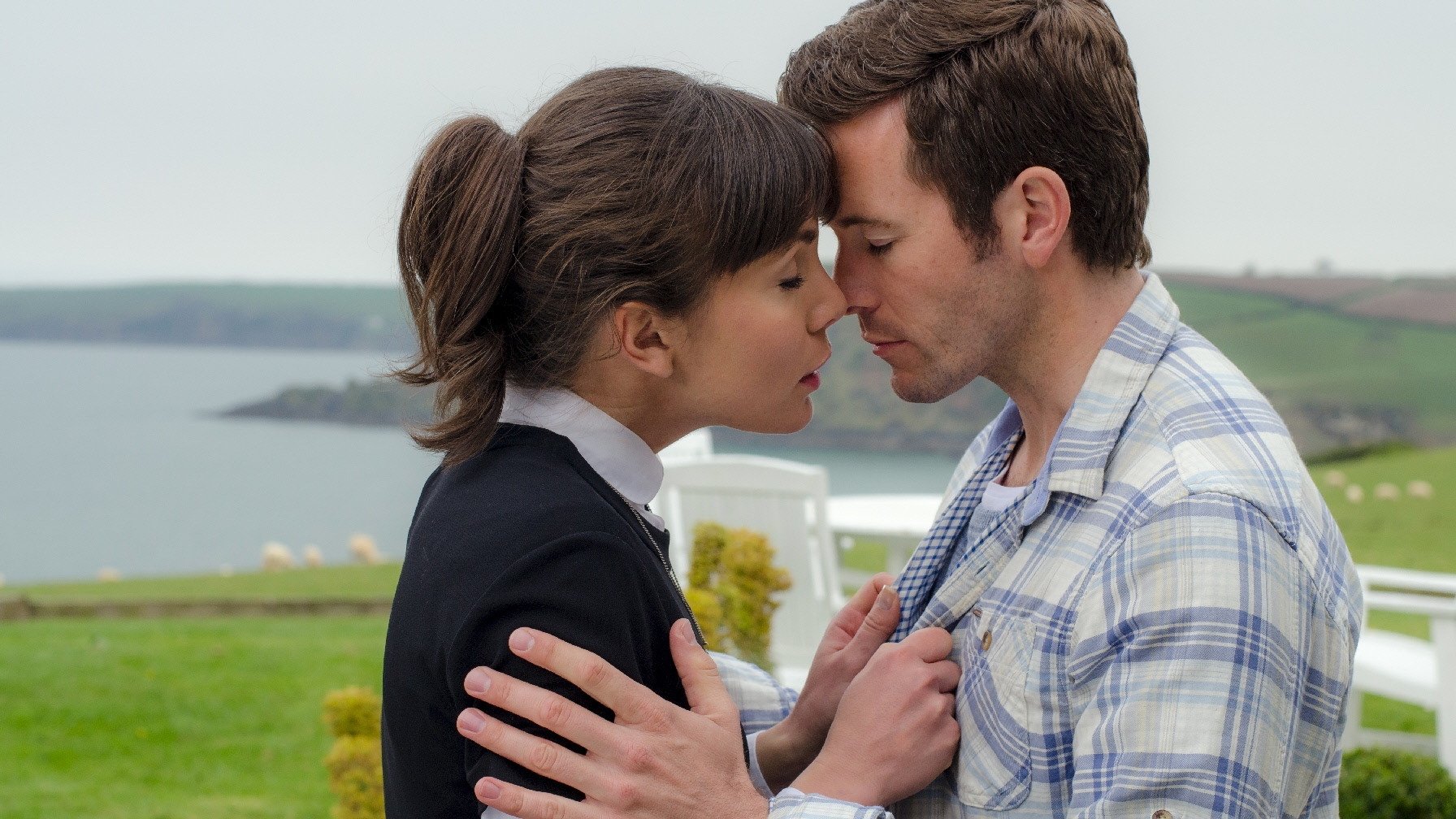
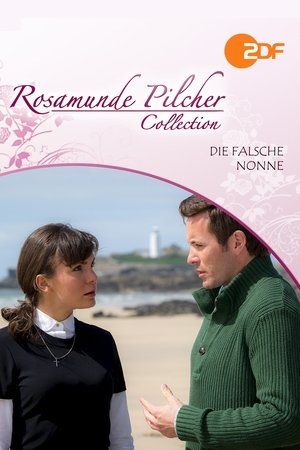


The police officer Sabrina has been given a special assignment : She is to investigate undercover in an orphanage run by nuns and meets Tom, an attractive architect . Several attacks on the matron were carried out in the orphanage . Sabrina begins her investigation and posesamazed that she and the architect went to the same boarding school together . But why did he pose under a false name ? Sabrina wonders why Tom lied to the nuns to gain their trust . She finds out that he is looking for his motherput him up for adoption as a baby . He suspects that it is the matron .
Alfred Hitchcock’s 1960 film "Pyscho" is an American film classic that still resonates today.
The plot could’ve really been interesting if the elements of lycanthropy was integrated with perhaps the struggle of identity of being LGBTQ+. It's an experience for so many that as they’re starting to realizing their true selves, they feel like a monster, especially if they come from unsupportive homes or communities. Instead, the horror and transformation elements seem thrown in without contemplation of how this could deepen the narrative.
In this short film, writer/director Nikita Hattangady focuses on Jai, a starving artist rooted in the latter category. Though unhoused, he works hard.
Shudder’s Host (not a particularly original title, I must say) attempts to bring the spooks to “the quarantine generation” by presenting us with a scary Zoom call during lockdown.
While Peter’s heroics might have been a bit unrealistic at times due to his lack of experience, I will always support the civilian taking down the establishment.
'The Wiz' has the propensity for paying homage to black culture with R&B music, graffiti and jazzy elements that make it incredibly entertaining.