











Incluvie – Better diversity in movies.
Identity in film with Incluvie stamps, scores, reviews.

Incluvie – Better diversity in movies.
Explore identity in film with Incluvie stamps, scores, reviews, and insights.

trailer banner
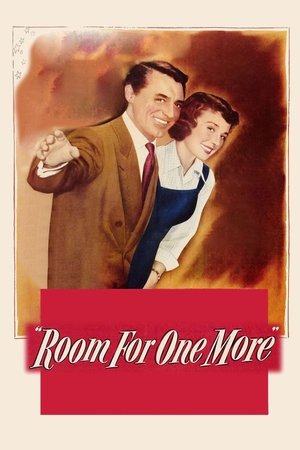
Room for One More poster

Room for One More (1952)

Anne and "Poppy" Rose have three quirky kids. Anne has a generous heart and the belief in the innocence of children. To the unhappy surprise of her husband she takes in the orphan Jane, a problem child who already tried to kill herself once.
- / 5
PopScore
Representation

Pictures and Videos


Incluvie Gala

Movie Information


Anne and "Poppy" Rose have three quirky kids. Anne has a generous heart and the belief in the innocence of children. To the unhappy surprise of her husband she takes in the orphan Jane, a problem child who already tried to kill herself once.

Rating:NR
Genre:Comedy, Family
Directed By:Norman Taurog
Written By:Jack Rose, Melville Shavelson
In Theaters:1/10/1952
Box Office:

Runtime:98 minutes
Studio:Warner Bros. Pictures

Articles You May Like


Who Needs 'Independence Day' When You've Got 'Sorry to Bother You'?

Sorry to Bother You ultimately speaks to the unfair advantages that the country’s power structures award to those with the resources to control others, as Lift’s easy access to the media allows his opinion to be the only one that matters in the eyes of the unsuspecting and easily impressed public. Moreover, it reveals the extent to which the American Dream has any true validity. It postulates how the promise of success and fulfillment as promoted by the American Dream more often than not leads to the undoing of the individual. Interestingly, in its revealing of the American Dream as merely a facade, Sorry to Bother You wisely questions whether or not anything can really be done to undo a system that has been accepted and in action for centuries.

Matt Geiger

The Super Mario Galaxy Movie Delivers Exactly What is Promised

The Super Mario Galaxy Movie comes on the heels of its billion-dollar grossing predecessor, and seeks to do absolutely nothing other than repeat its success. In this, the film is eminently effective. If you have seen the previous film, you can expect something extremely similar in this package.  That is, a barrage of references to Nintendo intellectual property wrapped in a plot that provides the thinnest layer of emotional payoff for the characters.

Bheema Bachus