



"Outerlands" Provides Community in Unexpected Places
Intergenerational friendships and community can be so powerful, and this was a great example.
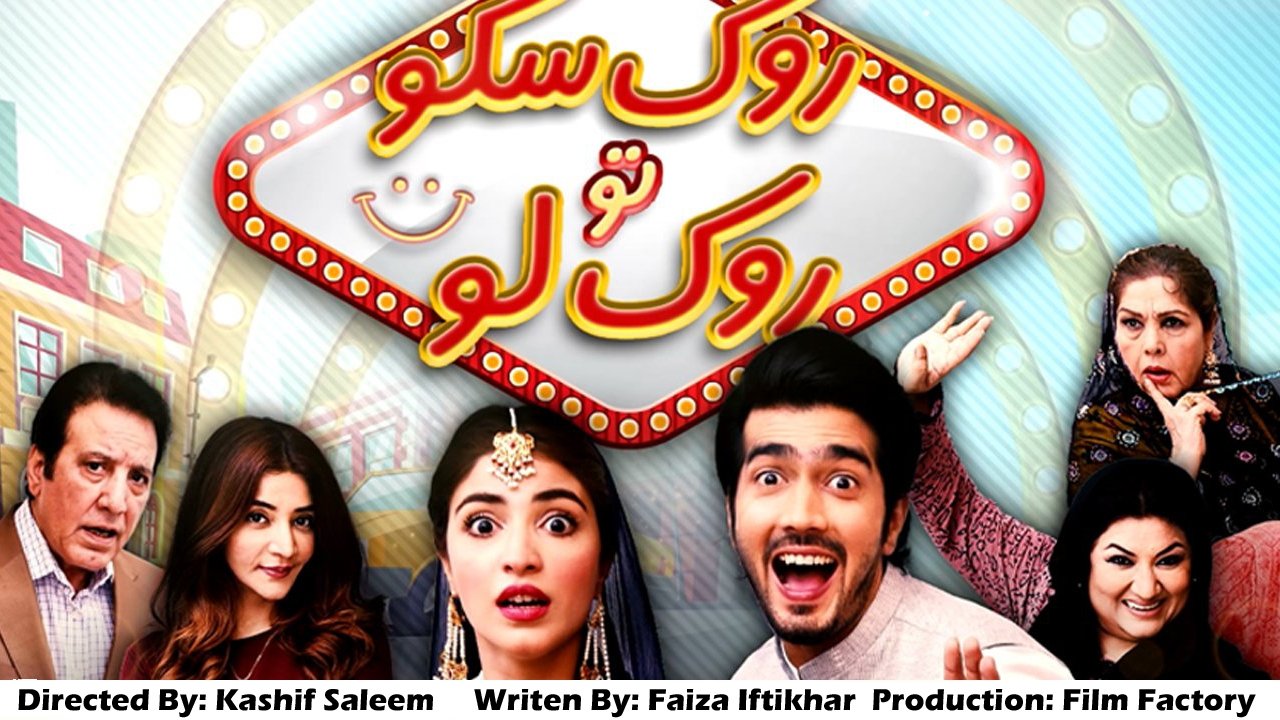
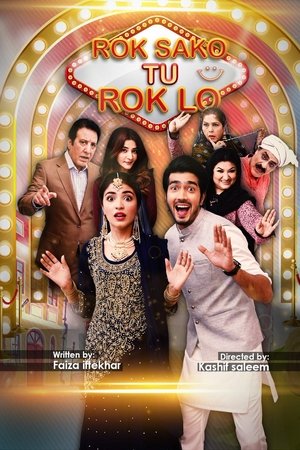


Sara and Sultan are madly in love and wants to be married, but there is a problem. Sara belongs to an ultra-modern household, her mother is learning to be a classical musician and her father is an open minded person. On the other hand Sultan’s father is a feudal lord from Punjab with a warm heart, his mother a traditionalist. Everything seems fine until the two families meet for the first time. Sara knows that her parents would never let her move to a village after her marriage with Sultan, and Sultan is certain that her mother would never accept Sara’s families’ ultra-modern ways.
Intergenerational friendships and community can be so powerful, and this was a great example.
The Batman (2022): Every Fan's Fantasy But Not A Masterpiece, As a superhero nerd and a childhood fan of Batman, the film is like a dream come true. Check out movie review, summary & movieplot
In 1983, V first debuted as a mini-series. It chronicled the story of alien visitors who arrive on Earth in motherships; they look like us, they talk like us, and they say they are of peace
Women who pray together, play together. Very rarely would I describe a story about a group of punk rockers as “whimsical”, but such an engaging array of visual and comedic components make this stand-out new series the star that it is.
Korean culture shines in this Canadian export.
Sinister and suffocating, 2022's The Black Phone delivered more than just scares - it brought atmosphere, depth, and a villain audiences won't soon forget.