

Did Someone Say Korean Drama?
Korean Dramas deserve your attention and not just the ones on Netflix.
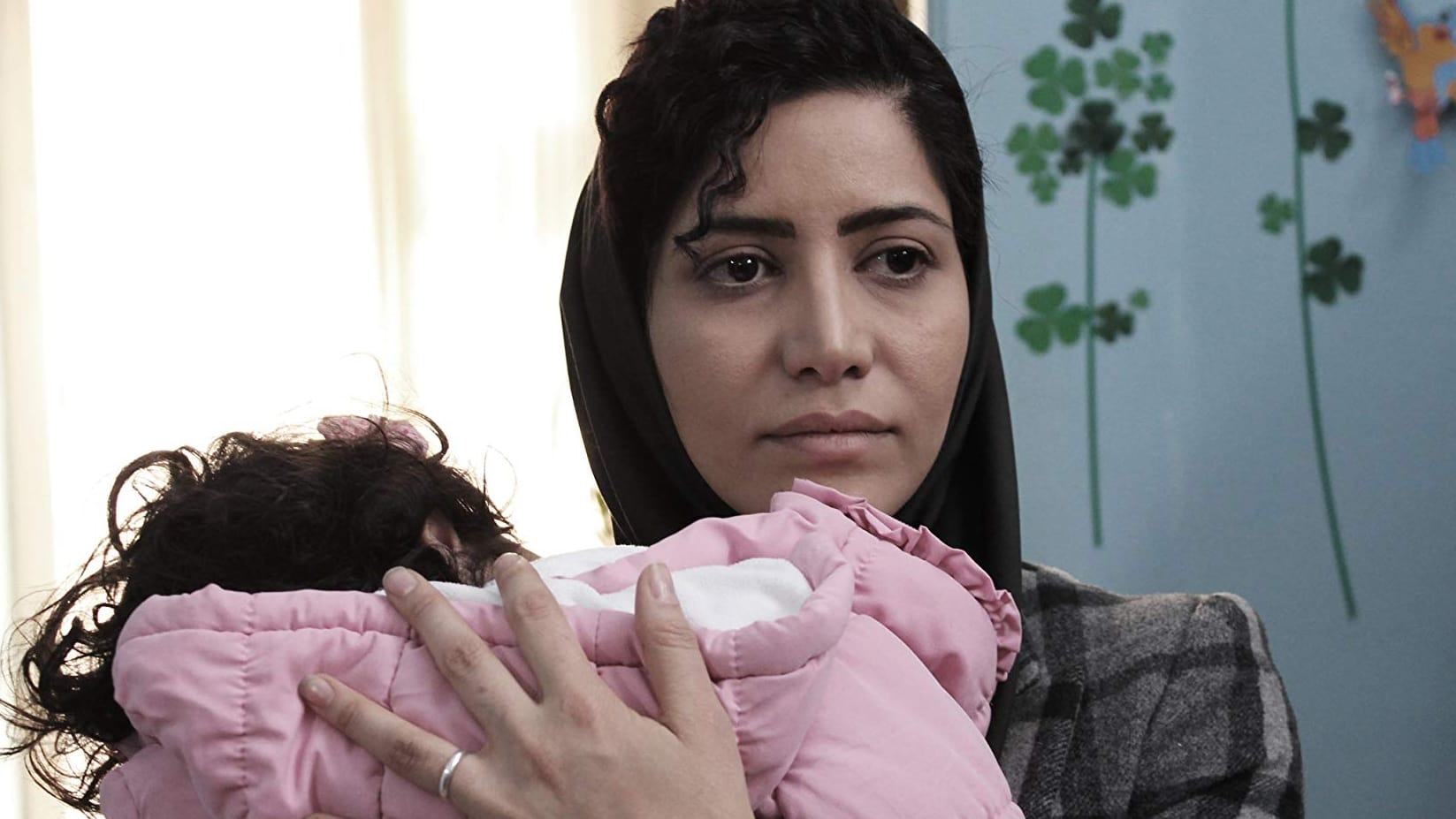



Young mother Maryam is getting ready one morning, trying to balance preparing her child for the day while her husband begins an exercise session. But then her husband calls out from the other room, trapped underneath a heavy weight he was lifting. His life in the balance, Maryam initially makes a few attempts to help, but the weights are too heavy and stuck. She watches as he dies before her eyes giving her a moral dilemma, and a chance to remake her life.
Korean Dramas deserve your attention and not just the ones on Netflix.
A dynamic journey of self-acceptance and identity.
Our trilogy at Seabrook High School starts with a rivalry between zombies and humans who eventually come together.
Viewers get a glimpse of life of mediocrity in a world where humans and cartoon characters live together in this comeback.
Meander, released in 2021, is a French gory horror film featuring a woman trapped in small spaces as she fights for her life, paralleling real pandemic life.
'The Wiz' has the propensity for paying homage to black culture with R&B music, graffiti and jazzy elements that make it incredibly entertaining.