









Dead Poets Society Steals a Queer Story
Dead Poets Society relies on patriarchal tropes such as overbearing fathers, contrived brotherhood, and faux-individuality in order to portray its straight white male characters as oppressed.
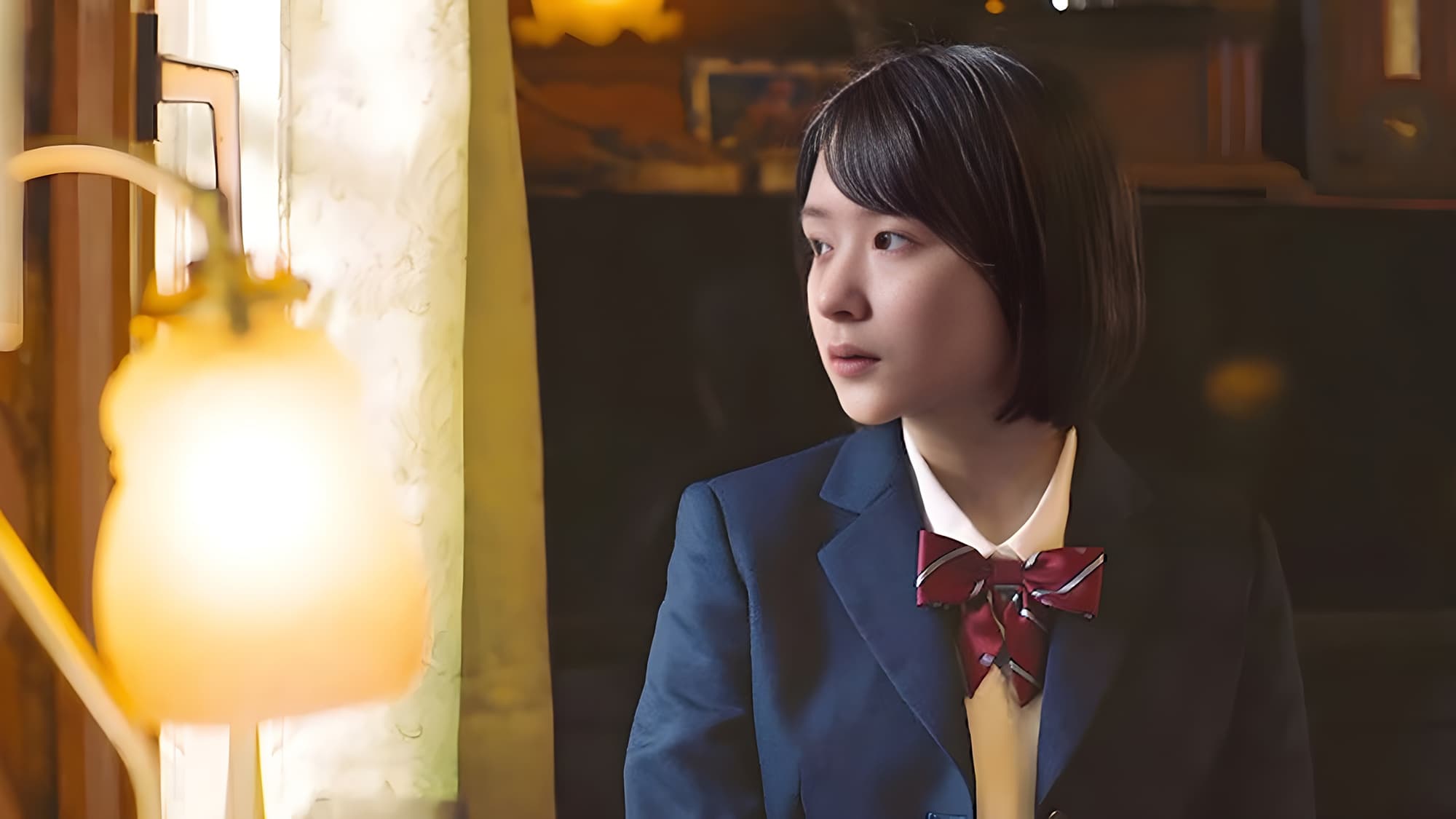



Dead Poets Society relies on patriarchal tropes such as overbearing fathers, contrived brotherhood, and faux-individuality in order to portray its straight white male characters as oppressed.
Although Christmas is a time of year for love and cheer for all, holiday cinema has not always represented diverse communities. Being a holiday with Christian origins, much of its media consists of straight white families or straight white romances. Luckily, modern years have been bringing with them plenty of POC and LGBTQ+ representation that the holidays so desperately need.
Adrian Chiarella’s Leviticus is a beautiful, poignant, enraging, gut-wrenching, and heartbreaking film about the trauma and harm conversion therapy inflicts on young queer people. Even though its classification as horror holds, the emotional bond between the two main characters, Naim and Ryan, elevates the story into a realistic romantic drama on par with Eternal Sunshine of the Spotless Mind.
The film seems like an extreme interpretation of the conspiracy theorists that exist in real life. And then, there’s the twist.
Eventually, “Hobbs and Shaw” introduces us to a Samoan community. Clearly, Johnson’s Samoan roots are on display. Quite frankly, I found this section of the film very intriguing. The “Fast and Furious” franchise has a solid track record in the diversity department
Kill Bill: Volume 1 is a highly entertaining flick, designed to tap into our levels of adrenaline. Tarantino has crafted a cinematic winner, overflowing with nostalgic richness and a love for cinema.