
“Leviticus” and Leviticus
Like most young people, Leviticus is imperfect. But I love it anyways.
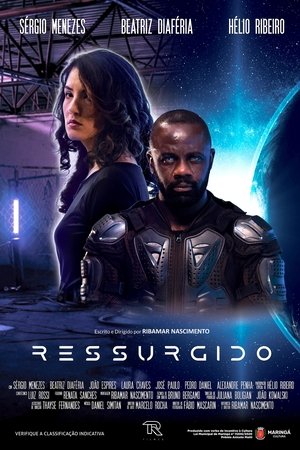


In a dystopian future, Talita Shinkai, a sector defender, finds herself frustrated with the end of the investigations of a case: the defense of 27 young people who died after committing absurd crimes, without having any police passage and for no apparent reason. Then she is helped by Lazar Volkov, a mysterious cyborg astronaut who claims to know exactly what happened: Someone used leaked military technology, capable of controlling people from a distance via the "Neurosphere", the worldwide network of neurochips. Tragically, this encounter could be the trigger for the beginning of the end of civilization.
Like most young people, Leviticus is imperfect. But I love it anyways.
The film blends reality and the supernatural world together, leaving the viewer unsure of what’s real and what’s merely a figment of Michael’s agitated imagination.
Lindsay Lohan makes a big film comeback in this amazing holiday comedy of the year.
Marvin Gaye's powerful music addresses the same themes as "Da 5 Bloods" and elevates the film to even greater heights.
Dead Poets Society relies on patriarchal tropes such as overbearing fathers, contrived brotherhood, and faux-individuality in order to portray its straight white male characters as oppressed.
Overall, Matthias & Maxime doesn't reinvent this romantic concept. But it also doesn't need to. Dolan weaves a story of love, friendship, and life that is both realistic and bittersweet. The film is nuanced and sensual in a way we don't get to see often with LGBTQ characters. It's a film that we can celebrate.