
Pearl Review - Mia Goth's Twisted Delusions of Grandeur
While subverting the conventions of Golden Age cinema with the characteristics of a slasher, Pearl studies the delusions of grandeur inspired by the movies.
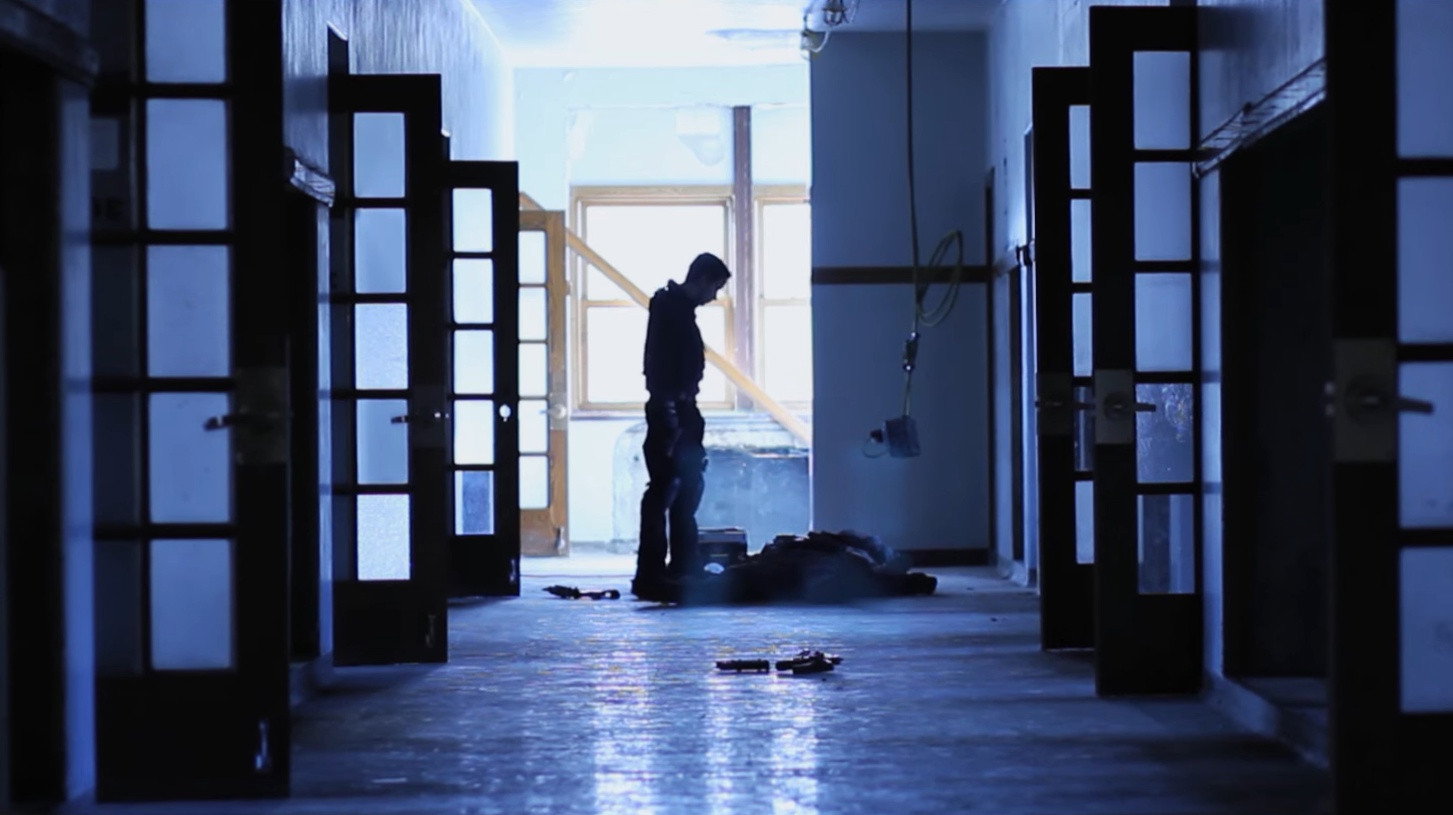



Time is ticking for Captain Elis as he interrogates a mysterious man with ties to an unnamed bioterrorist group holding a team of BSAA operatives hostage in an abandoned school. Foxtrot team is sent in to rescue the hostages through the zombie infested town of Red Falls, while the remaining members of the BSAA team plot an escape of their own.
While subverting the conventions of Golden Age cinema with the characteristics of a slasher, Pearl studies the delusions of grandeur inspired by the movies.
Sorry to Bother You ultimately speaks to the unfair advantages that the country’s power structures award to those with the resources to control others, as Lift’s easy access to the media allows his opinion to be the only one that matters in the eyes of the unsuspecting and easily impressed public. Moreover, it reveals the extent to which the American Dream has any true validity. It postulates how the promise of success and fulfillment as promoted by the American Dream more often than not leads to the undoing of the individual. Interestingly, in its revealing of the American Dream as merely a facade, Sorry to Bother You wisely questions whether or not anything can really be done to undo a system that has been accepted and in action for centuries.
It’s easy to dismiss Joel and Ethan Coen for writing from the world they build from outside the box of overarching Hollywood stereotypes, but their inability to compromise their collective vision is precisely what makes the simplistic nature of their world-building and characters so brilliant. It’s also what led Fargo to collect seven Oscar nominations and two wins for Best Original Screenplay and Best Actress for Frances McDormand’s brilliant portrayal of the sincere, motherly detective whose wholesome demeanor seizes the day over the selfishness, corruption and evil of the men who don’t comprehend that there’s more to life than a little money.
Growing up is a challenge for everyone.
Many have interpreted Maya Deren’s Meshes of the Afternoon as a dream sequence, but what if the repetitive scenes we are given are not dreams but, a time loop.
In 1971, when discussions about how to integrate their school system break down, the community of Durham, North Carolina agrees to bring in Bill Riddick(Babou Ceesay) to conduct a series of summits(charrettes) to help them move forward with desegregation.