





No Other Choice: Killing for the Family at the Age of Obsolescence
With the theme of unemployment, it presents a family fantasy anecdote rather the a comment on social problems.

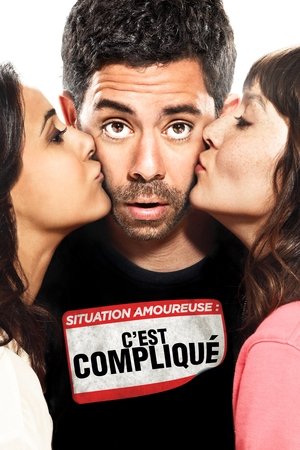


Thirty-year-old Ben is about to marry Juliette. His quiet, ordered life will fall to pieces when he meets up again with the person he secretly wants to see the most: Vanessa, the high school bombshell who never so much as looked in his direction. She's back in Paris, and the only person she now knows is him…
With the theme of unemployment, it presents a family fantasy anecdote rather the a comment on social problems.
Netflix’s Shadow and Bone has a complicated relationship with race. It has a diverse cast, but not without its problems. Based on Leigh Bardugo’s two book series, the show features characters from the Shadow and Bone trilogy, which is very straight and white, and the Six of Crows duology, which is much more diverse. When bringing together a cast and writing about these characters, the team behind the show expanded upon some of the representation missing from the first trilogy, then seemed to take away representation from the duology. Shadow and Bone seems to play a bit of a push and pull game when it comes to portraying diversity onscreen.
While the director didn't set out to make a feminist film, "A Girl Walks Home Alone At Night" reads as a reclamation of female power in a patriarchal society.
Praising Black representation and condemning the power structures that suppress it, a mother delivers an impassioned speech to her distant son.
Madres takes place in the 70’s following a Hispanic married couple who move to a migrant farming community. Diana, who is pregnant, starts to become suspicious of their new environment after she and the women around her develop strange symptoms. Could it be a curse, a sickness, or something else?
As an Indian lesbian living in the United Kingdom, the cards are stacked against Geetika from the start.