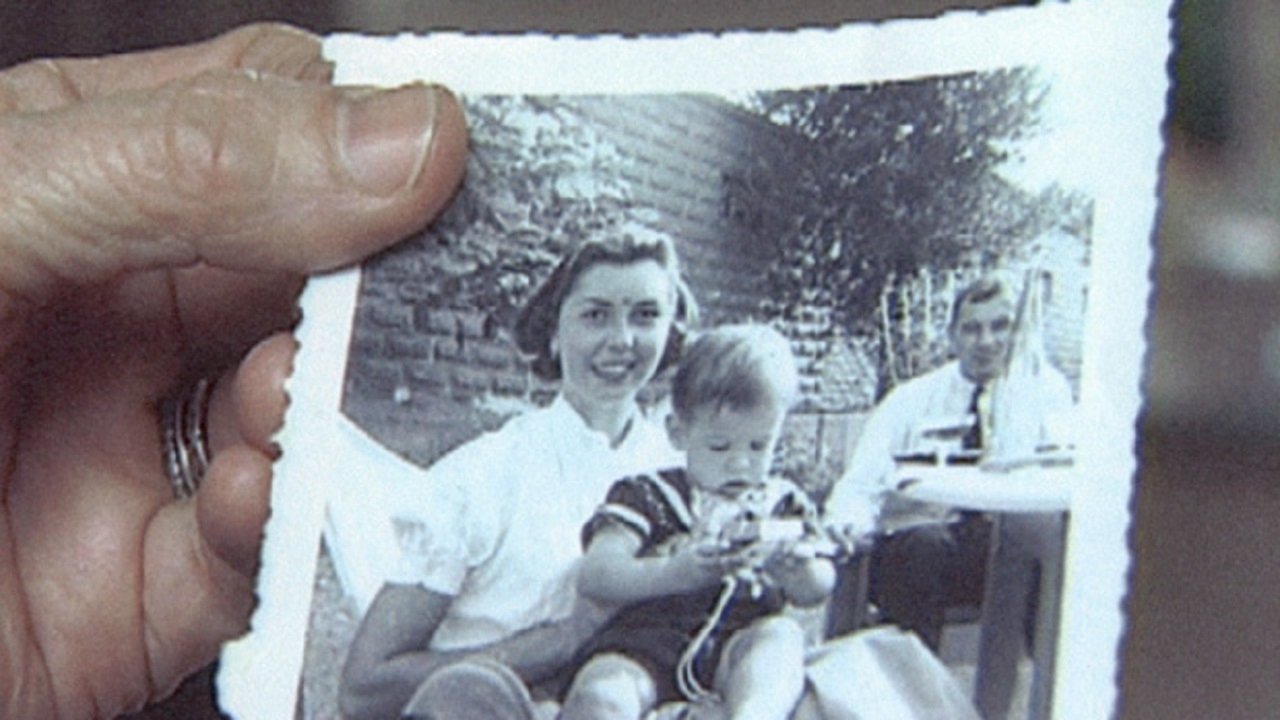
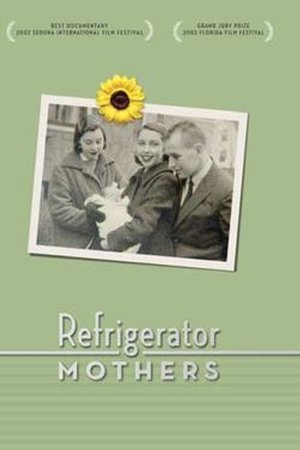



It is America of the 1950s and 1960s, when a woman's most important contribution to society is generally considered to be her ability to raise happy, well-adjusted children. But for the mother whose child is diagnosed with autism, her life's purpose will soon become a twisted nightmare. Looking for help and support, she encounters instead a medical establishment that pins the blame for her child's bizarre behaviors on her supposedly frigid and detached mothering. Along with a heartbreaking label for her child, she receives a devastating label of her own. She is a "refrigerator mother".
A code adopted by gay men and LGBTQ+ individuals in general to subtly disclose your identity to another, “friend of Dorothy” is widely considered to originate with Judy Garland.
There’s enough evidence to insinuate that What We Do in the Shadows is intentionally queer-coded.
Even with its straightforward premise, “Richard Jewell” is ramped up by exceptional drama. In all honesty, the performances are out of this world. As Jewell, Paul Walter Hauser becomes a walking representation of gullibility. His bumbling antics create the perfect hero, and very quickly, we feel the societal heat that surrounds our protagonists.
This holiday movie serves as the prequel to the TV series The Really Loud House.
A Girl Walks Home Alone At Night, though its feminism may be unintentional, cannot exist without its focus on women reclaiming power. The movie is feminist by definition, even if Amirpour didn’t write it with that in mind. A Girl Walks Home Alone At Night is mesmerizing, poetic, and stunning, both for its portrayal of feminist ideas and its powerful story that is both horrific and subtly romantic at once.