



Sweet Girl's Mind-Boggling Twist Makes the Movie... Feminist
For the most part, 'Sweet Girl' recycles tired hyper masculine revenge tropes, but a surprise twist in the end turns it into a female-centric revenge film.

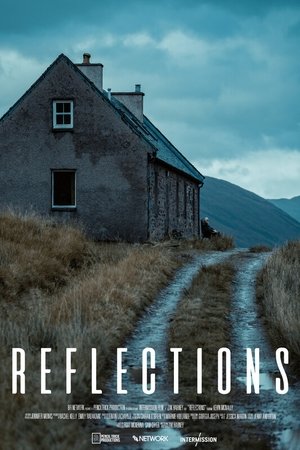
Sid lives in self-imposed isolation with his dog, Ace. That is until, one day, amidst the surrounding mountainscape, Sid sees a mysterious house appear on the horizon. Upon closer inspection, this house is familiar; it is his home. The same ravaged stone, mossy notches, and chipped painted wood. As Sid’s initial suspicions continue to grow, so does his all-consuming obsession with the house. He starts to plant traps and experiments, each taking him a step closer to the truth; that the house is a window into his future.
For the most part, 'Sweet Girl' recycles tired hyper masculine revenge tropes, but a surprise twist in the end turns it into a female-centric revenge film.
Episode 3, entitled “Now in Color,” brings us to the 1970s — a decade full of vibrancy, color, and total mayhem.
The power to function. As people, we are richly blessed to have the wide ranging scope of what we can accomplish…physically and mentally…that aid in everything we desire to strive for and, ideally, accomplish. However, what if someone was experiencing daily life with these elements….only in a more muted manner?
The three themes of lessons learned from HBO Max's Station Eleven are the same as the pandemic: love, regret, and art.
At first glance, “The Good Liar” is a respectable piece of fiction, starring Ian McKellen and Helen Mirren. But underneath everything, the film expertly hones the unpredictability of deceit.
An original animated movie in the Wimpy series based on the book Cabin Fever.