





Animal Farm: Viva la Dystopia
This incarnation of Animal Farm is filled with the generic plot points, immature humor, cardboard characters and visual flaws that you have come to know from today’s lesser children’s films.
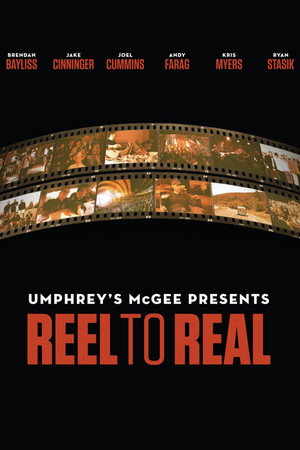


Reel to Real is an archival rock documentary about the innovative Umphrey's McGee, diving deep into the early years by examining their inner workings through unreleased band shot camcorder footage. It reflects on UM's days of suspended youth, racking up thousands of miles in a van and trailer without a worry in sight. But reality knocks as a founding member walks away mid tour, putting the entire venture in jeopardy. It's a view behind the curtain, one designed not to paint a picture of what you think it's like, but what it's actually like to make the journey.
This incarnation of Animal Farm is filled with the generic plot points, immature humor, cardboard characters and visual flaws that you have come to know from today’s lesser children’s films.
'The Last Black Man in San Francisco' is part fiction, part documentary. Jimmie longs for the old Victorian home that he grew up in — the house that his grandfather built. However, this home is now in an overpriced, White, San Francisco neighborhood.
Darren Aronofsky’s Caught Stealing is a gritty, darkly funny thrill ride through 1998 New York, with Austin Butler delivering a raw, magnetic turn as Hank Thompson—a washed-up ex-ballplayer turned bartender whose life implodes after cat-sitting for his punk neighbor drags him into a violent underworld of gangsters, crooked cops, and chaos. Brutal yet unexpectedly hilarious, the film blends noir grit with midnight-movie absurdity, proving Aronofsky can reinvent himself while Butler cements his status as a true movie star.
People are so much deeper and far more extraordinary than what gender they were assigned at birth.
Emily Henry’s adaptation reaches romance movie standards, but not romance reader standards.
21 Bridges isn’t going to revolutionize action cinema. However, its action components are respectable. Every act is visibly clear, and as time moves forward, the film changes its conflictual rhythm.