





Paris is Burning: 30 Years Later
Paris is Burning elevated drag and ballroom into the public consciousness and permanently impacted LGBT culture. However, the performers featured in the documentary didn't reap the rewards of their visibility.
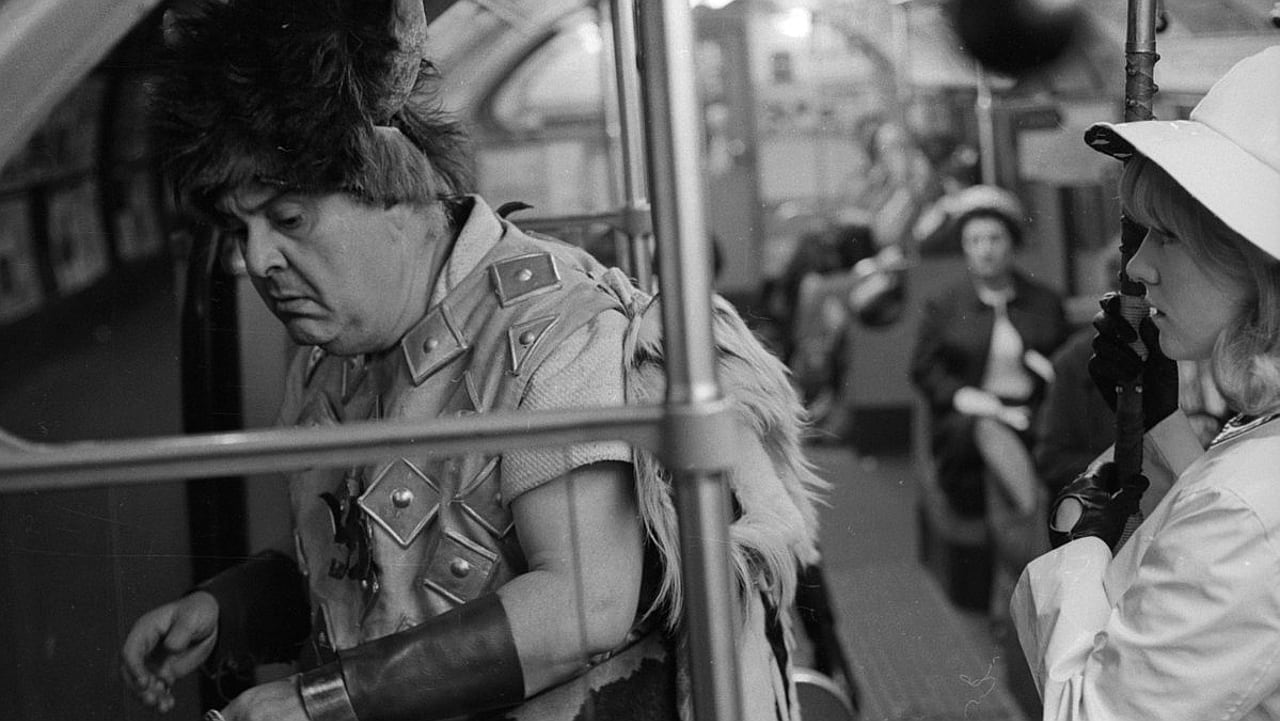
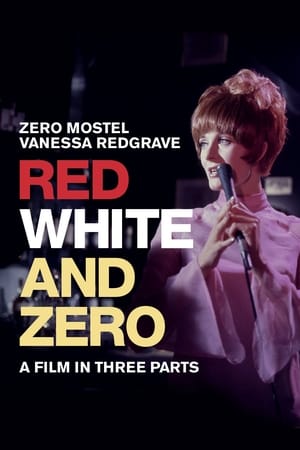


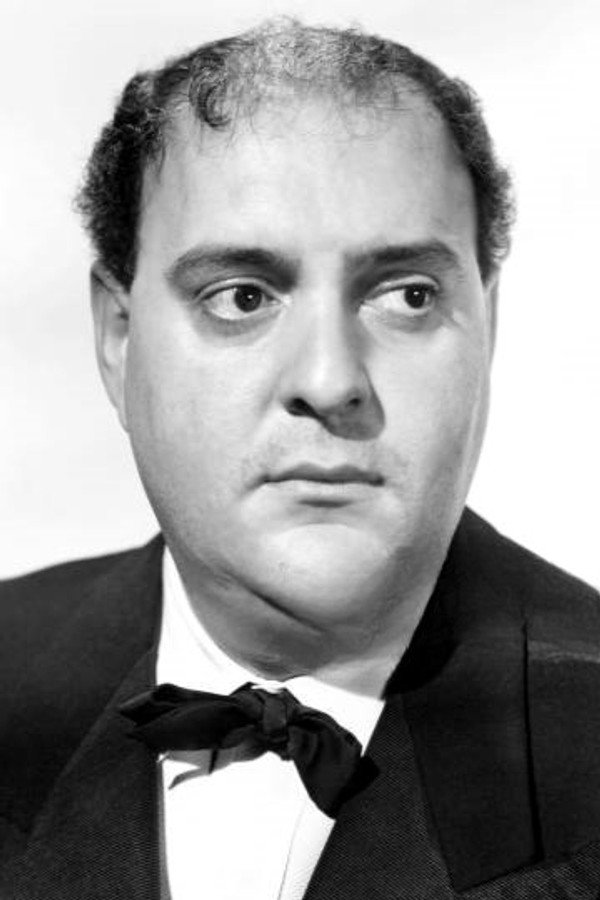
Composed of three shorts – Ride of the Valkyrie, The White Bus, and Red and Blue – from three of Britain’s most-celebrated directors - Lindsay Anderson, Peter Brook, and Tony Richardson. Comic legend Zero Mostel stars as an opera singer (in full costume) navigating the London transport network as he attempts to reach Covent Garden in 'Ride of the Valkyrie'. Scripted by Shelagh Delaney, 'The White Bus' blends realism, drama, and poetry as a despondent young woman travels home to the North of England. And Vanessa Redgrave stars in Tony Richardson’s romantic reverie and musical featurette 'Red and Blue'. Produced in 1967, but ultimately shelved.
Paris is Burning elevated drag and ballroom into the public consciousness and permanently impacted LGBT culture. However, the performers featured in the documentary didn't reap the rewards of their visibility.
Sorry to Bother You ultimately speaks to the unfair advantages that the country’s power structures award to those with the resources to control others, as Lift’s easy access to the media allows his opinion to be the only one that matters in the eyes of the unsuspecting and easily impressed public. Moreover, it reveals the extent to which the American Dream has any true validity. It postulates how the promise of success and fulfillment as promoted by the American Dream more often than not leads to the undoing of the individual. Interestingly, in its revealing of the American Dream as merely a facade, Sorry to Bother You wisely questions whether or not anything can really be done to undo a system that has been accepted and in action for centuries.
If you’ve been itching for a sign to finally go on that unforgettable summer camping trip, this is it.
You can have the best filmmaker and cast in the world, but if the script is lacking, you’re in a troublesome state. Such is the case with Gemini Man, a film full of tremendous artists.
Joel Coen has gone solo to create perhaps the greatest version of Shakespeare's 'Macbeth' since Shakespeare himself.
At first glance, one wouldn't think John Carpenter's cult classic would be a thematic double-billing - or that Free Guy would be worthy of being mentioned in the same sentence as They Live - but the two films of vastly different genres have more similarities upon further examination.