




Polarizing Polar: An Exploitation Film For the Modern Viewer
In the shadow of towering film production companies lived dozens of grindhouses, genres, and low-budget films deemed too “unclean” for the modern film audience.
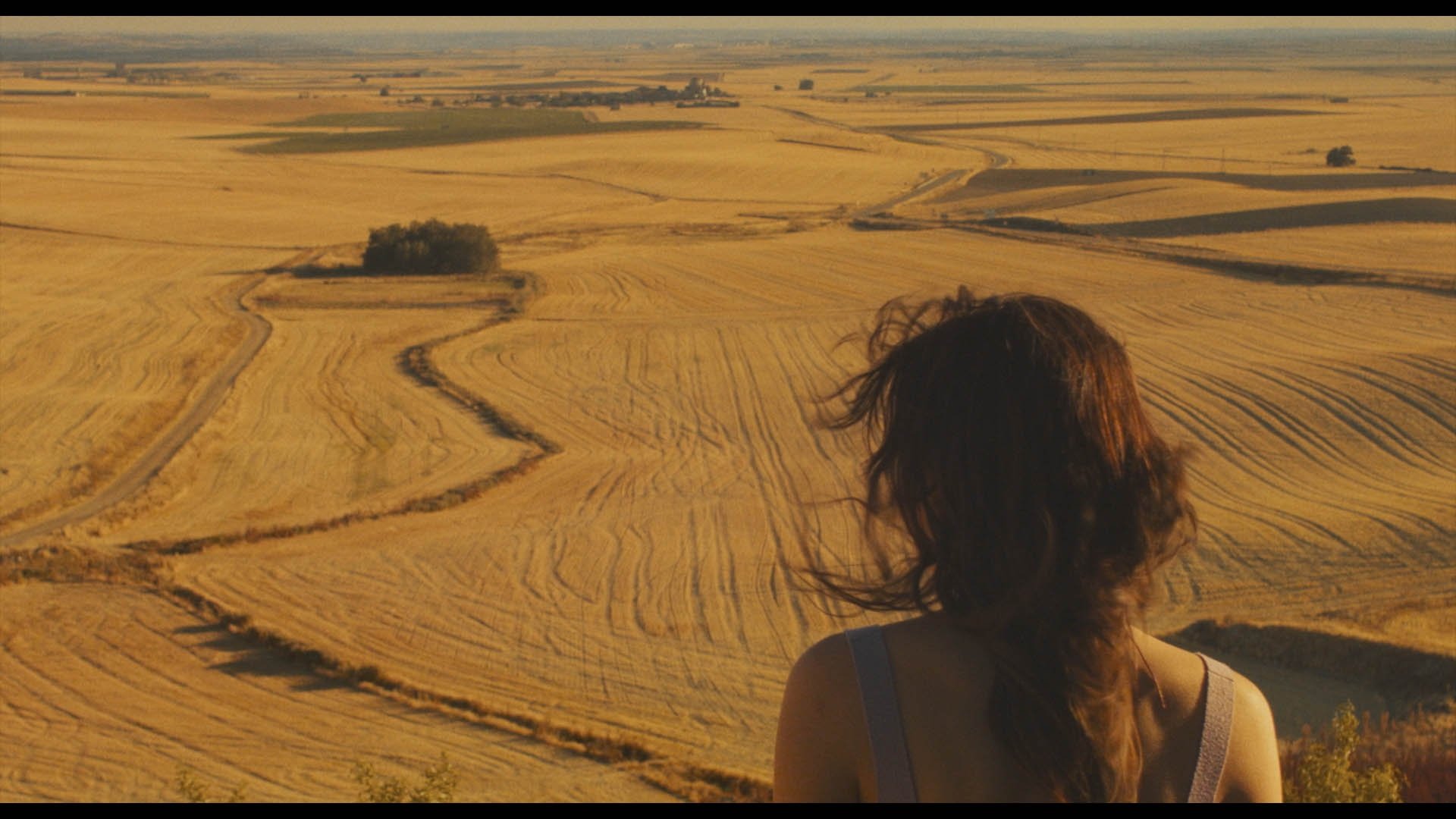



Ana returns to the village in summer with the intention of setting up a cinema in the courtyard of an old family house. One day she is working on her project and meets Lucía, an old acquaintance. She hasn't seen her for years but quickly starts to help Ana to make the cinema work properly. The screenings begin as the relationship between Ana and Lucia grows closer. Ana is worried about feeling integrated in the village, while Lucía suggests filming the different neighbours with her video camera so that they can appear in the screenings. The summer goes on and the village is emptying of people, while Ana and Lucía continue filming funny scenes. Soon it will be time for Lucia to leave the village and return to her life in the city, but Ana doesn't want to give up her new way of life in the village.
In the shadow of towering film production companies lived dozens of grindhouses, genres, and low-budget films deemed too “unclean” for the modern film audience.
Nightbooks, the newest entry in children's horror, honors classic horror films, focuses on themes of acceptance, and has awesome production design.
This Netflix original series is for animal lovers and fans of light horror series.
"The Old Guard" doesn't break ground, but it sure does bust boredom and fictional heads as an entertaining action romp on Netflix.
An in-depth discussion about anti-Black discrimination in college and professional football.