


Incluvie – Better diversity in movies.
Identity in film with Incluvie stamps, scores, reviews.

Incluvie – Better diversity in movies.
Explore identity in film with Incluvie stamps, scores, reviews, and insights.

trailer banner
Red Hollywood poster

Red Hollywood (1996)

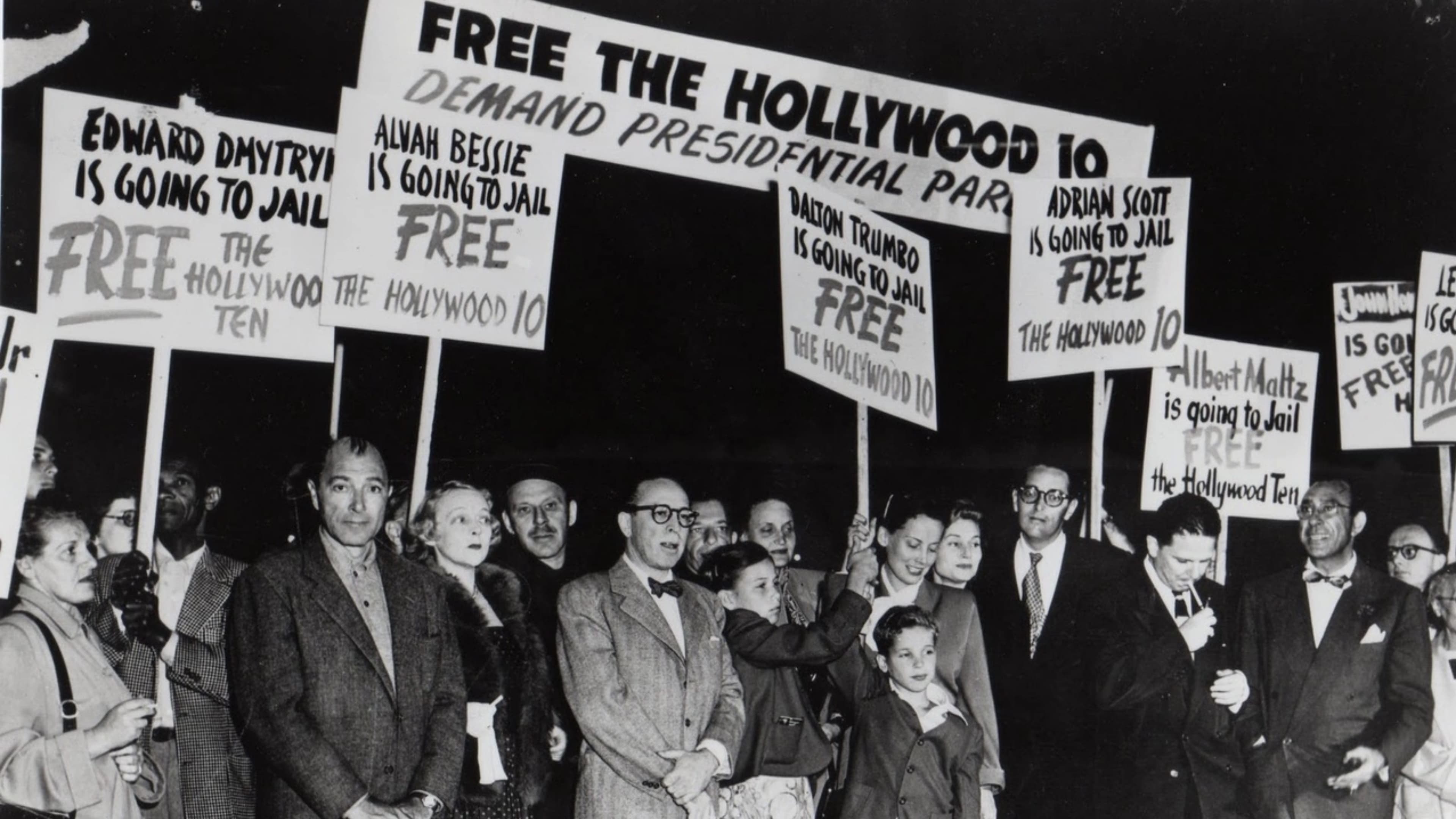
A documentary that examines the films made by the victims of the Hollywood Blacklist and offers a radically different perspective on a key period in the history of American cinema.
- / 5
PopScore
Representation

Pictures and Videos


Incluvie Gala

Movie Information


A documentary that examines the films made by the victims of the Hollywood Blacklist and offers a radically different perspective on a key period in the history of American cinema.

Rating:
Genre:Documentary, History
Written By:Thom Andersen, Noël Burch
In Theaters:8/16/1996
Box Office:

Runtime:114 minutes
Studio:

Articles You May Like


Moonage Daydream: an artist who never conformed, but only evolved

With mismatched eyes, a willingness to experiment with hair color and style, and a rail thin frame, Bowie always drew attention. But he shunned gendered attractiveness, creating his own space somewhere in between. This hallucinatory and often nonlinear 2022 documentary is a perfect salute to David Bowie’s life and career. Rather than interviewing those that knew Bowie, the standard convention for biographical portraits, director Brett Morgen mostly lets the artist’s images, performances, videos, and words speak to capture the essence of the artist. Bowie was more than just a pop star. He painted, sculpted, acted in films, and was a thoughtful and articulate person who gave sincere answers to even the most shallow interview questions.

Andrea Kreidler

"The Father" is a Depressing But Insightful Look at Dementia

With The Father, writer-director Florian Zeller- who wrote and developed the play upon which the film is based- pulls no punches as he confidently makes every effort to put the audience in the mind of someone whose grip on reality has all but vanished. It’s a dazzling testament to Zeller’s abilities as a director as he makes his first transition from stage to film appear as if he’s been working behind a camera his entire career. The dialogue he fashions with co-writer Christopher Hampton, along with the work of production designers Peter Francis and Cathy Featherstone, collectively makes the downward spiral of dementia startlingly tangible, doing so in a way that can be comprehended by everyone except the person it directly affects.

Matt Geiger