

Dead Poets Society Steals a Queer Story
Dead Poets Society relies on patriarchal tropes such as overbearing fathers, contrived brotherhood, and faux-individuality in order to portray its straight white male characters as oppressed.




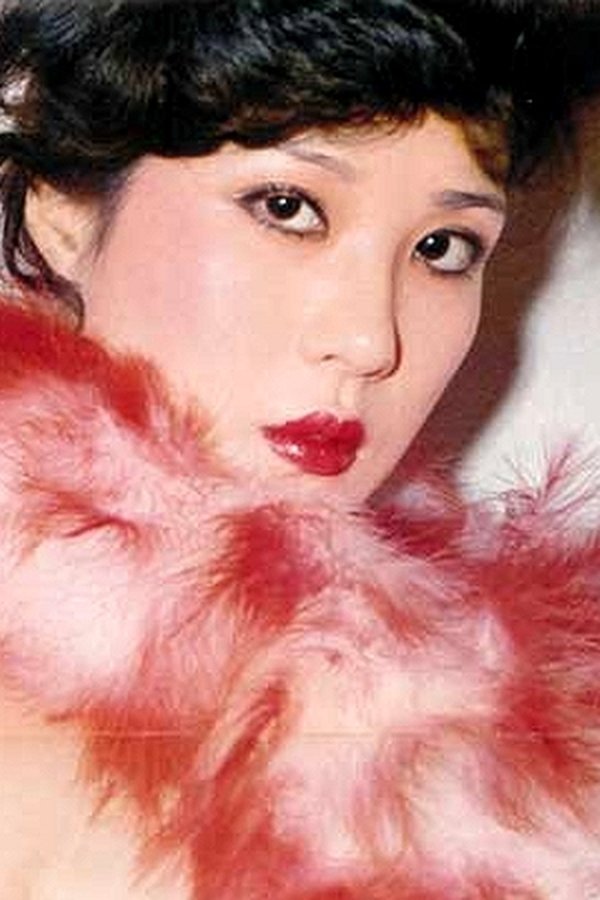
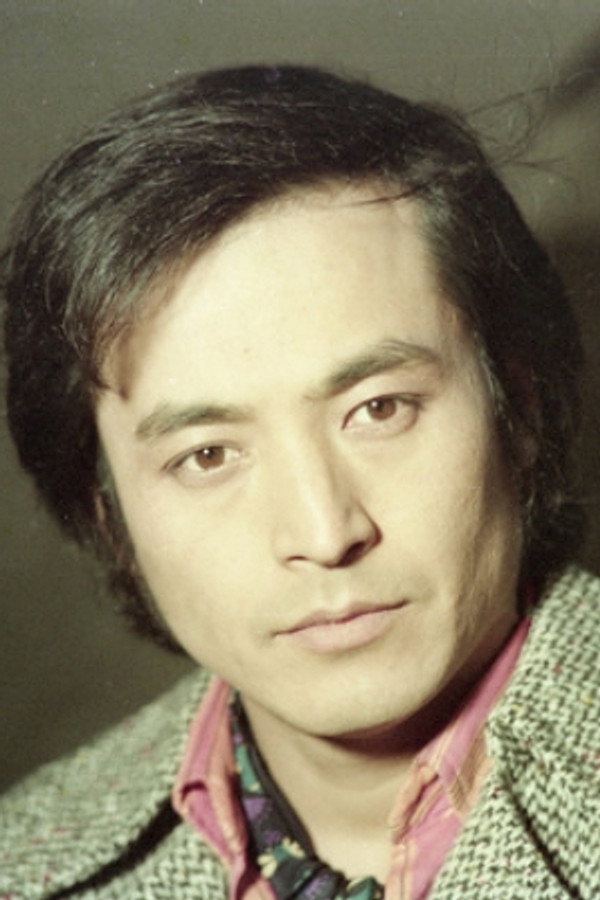
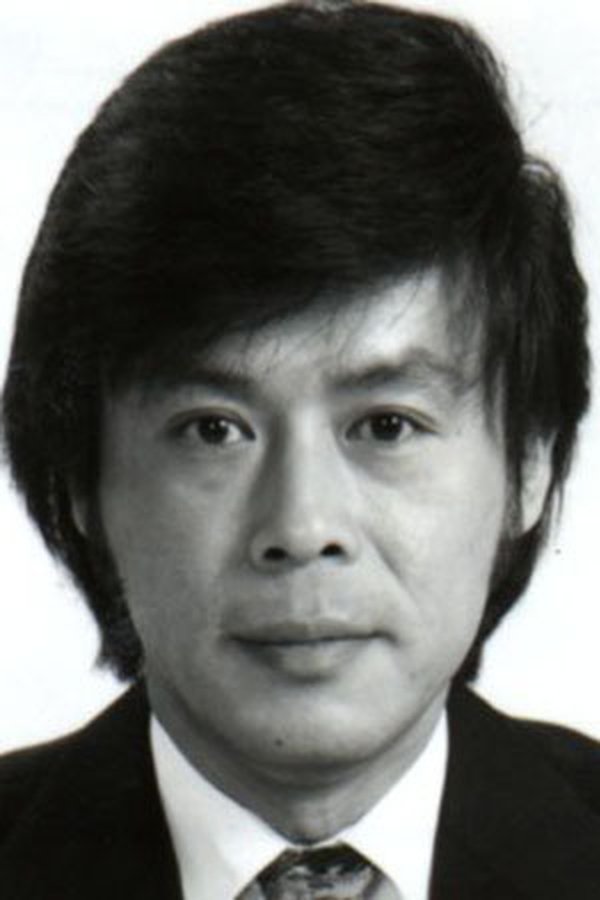
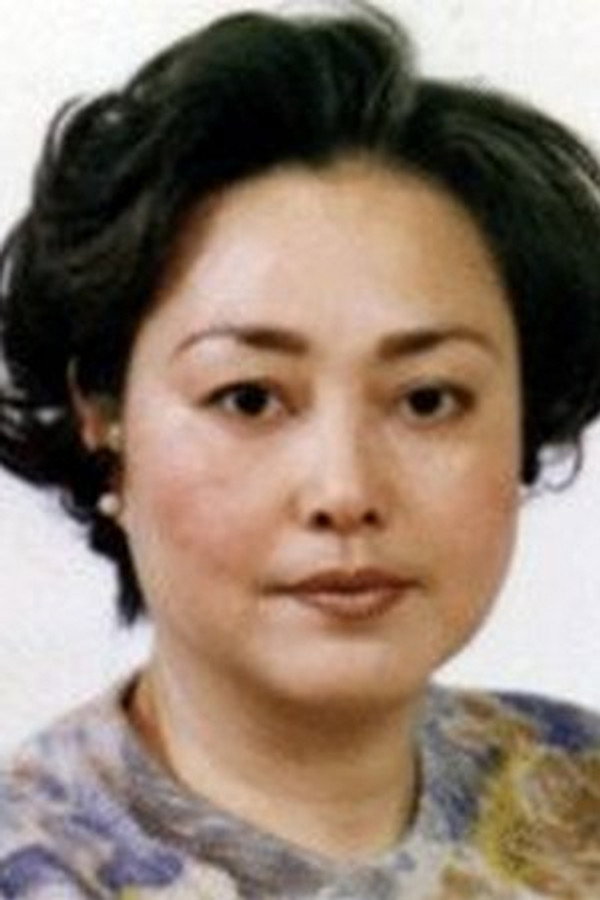
Ha In-young has suffered for years under her husband, Kang Suk-wu. He's kept her captive with his loss of humanity and sexual depravation. In-young yearns for an unknown world. One day, In-young meets Min Byung-gu but Byung-gu leaves her. In-young leaves her husband and even her young daughter Ha-mi. Ha-mi searches madly for her mother. Chairman Kang, Suk-wu's father, understands why his daughter-in-law has run away. Suk-wu anguishes over the actions of his father and daughter. Suk-wu regains his sexual masculinity which he had lost for years. He forgives In-young and receives her again.
Dead Poets Society relies on patriarchal tropes such as overbearing fathers, contrived brotherhood, and faux-individuality in order to portray its straight white male characters as oppressed.
Emily Henry’s adaptation reaches romance movie standards, but not romance reader standards.
A tale of legendary hunters and monsters that reminds us once more not to judge a book by its cover. Enjoy this heartwarming sea shanty with a well-done plot twist.
A gentle coming of age story, Water Lilies takes its time in exploring what it’s like to be a young girl trying to make sense of her sexuality in a heteronormative world.
Crazy Rich Asians. The title is tacky, but the actual movie is both heartwarming and cosmopolitan. After all, it takes place in Singapore!
Growing up with a lot of siblings, young Beth felt ignored her immediate family. Uncle Frank made her feel seen, heard, and accepted.