
Sick or Evil or Both: “My Friend Dahmer” and the Coverage of White Killers
This HBO mini-series asks why a young white man turned to violence and finds no easy answers. But why do we only ask questions about certain kinds of killers?
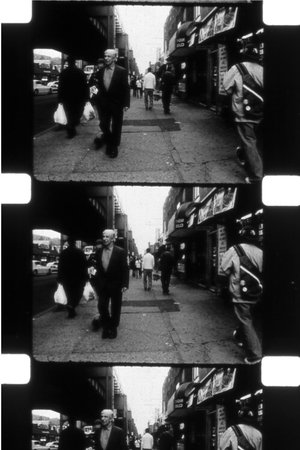


Memory and identity are observed through textures of everyday life in a portrait of Jackson Heights, home to a large Latin American immigrant population. Images of street, people, and daily rituals render passing of time in a neighborhood that becomes a mirror not just of another place, but also of the past. The meaning of home is explored and built upon collective recollection.
This HBO mini-series asks why a young white man turned to violence and finds no easy answers. But why do we only ask questions about certain kinds of killers?
Desi’s “straight man” to Lucy’s playful exuberance subverted people’s expectations of what a Latino man could be and added respect and nuance to the way onscreen marriages between men and women were portrayed.
The film is a powerful narrative encompassing a theme that many people can identify with.
Ruben Östlund muses about his characters, “As soon as you get close to a person, you see them as just another human being”. It is widely recognized that aboard the luxury yacht in ‘Triangle of Sadness’, the different groups of people represent a small society as a commentary on classism and gender binaries.
Overall, Altered Carbon: Resleeved is pretty “meh.” It’s cool and all that it takes a different approach from the TV show to make it animated rather than live action, but it doesn’t help that the animation looks like something from a video game.
Disney/Pixar may see a bit of a turning point with Pixar’s new Disney+ Sparkshorts short film: OUT.