

Joyfully Chaotic, 'Why Don't You Play in Hell?' is a Must-See
If you enjoy Japanese cinema, absurdly violent action films, gangster flicks, or joyfully strange cinema, 'Why Don’t You Play in Hell?' is a must-see.
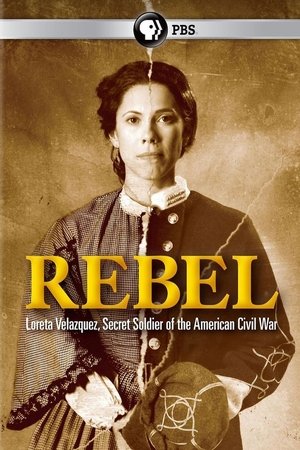


Shrouded in mystery and long the subject of debate, the amazing story of Loreta Velazquez is one of the Civil War’s most gripping forgotten narratives. While the U.S. military may have recently lifted the ban on women in combat, Loreta Janeta Velazquez, a Cuban immigrant from New Orleans, was fighting in battle 150 years ago — one of an estimated 1,000 women who secretly served as soldiers during the American Civil War. Who was she? Why did she fight? And what made her so dangerous she has been virtually erased from history?
If you enjoy Japanese cinema, absurdly violent action films, gangster flicks, or joyfully strange cinema, 'Why Don’t You Play in Hell?' is a must-see.
We, the Jane Austen aficionados, are suckers for everything and anything under the sun that’s remotely related to her and her world. That’s because we are so drawn to her unique style of fiction, romance, and social commentary, we take any allusion to her influence as a hint to what to expect when we start watching a movie or reading a book.
Zombie apocalypses have been metaphors for late-stage predatory capitalism, but never a system disrupter that brings about freedom.
There’s enough evidence to insinuate that What We Do in the Shadows is intentionally queer-coded.
"His Girl Friday" set the bar for romcoms and gave us a feminist heroine before feminism was cool.
The more biting satire is reserved for those on top of the power structure, such as the police, while those occupying lower levels are given more nuance and likability, even if they operate on the wrong side of the law. This principle gives Deep Cover its heart.