

'Kizazi Moto: Generation Fire' - Mhkuzi: The Spirit Racer
The second episode of the highly anticipated Afrofuturism series delivers with a high-speed race teaching us to go far beyond just accepting ourselves.
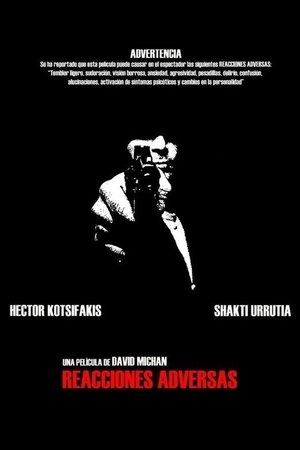


Daniel is a young man suffering from low selfesteem, who is incapable of defending himself from the abuses of employers and of society in general. He is medicated with antidepressants to make his monotonous life more bearable; however, far from helping him, the medication worsens hiscondition with hallucinations and psychotic thoughts of vengeance that lead him to a state of total confusion.
The second episode of the highly anticipated Afrofuturism series delivers with a high-speed race teaching us to go far beyond just accepting ourselves.
In less than 30 minutes, Proudfoot guides the viewer through a narrative that touches on American history, mind-health issues, race, and gender politics
"Black Widow" has strong female characters but sidelines its title character and serves as a launchpad for her successor, Florence Pugh's Yelena.
Sorry to Bother You ultimately speaks to the unfair advantages that the country’s power structures award to those with the resources to control others, as Lift’s easy access to the media allows his opinion to be the only one that matters in the eyes of the unsuspecting and easily impressed public. Moreover, it reveals the extent to which the American Dream has any true validity. It postulates how the promise of success and fulfillment as promoted by the American Dream more often than not leads to the undoing of the individual. Interestingly, in its revealing of the American Dream as merely a facade, Sorry to Bother You wisely questions whether or not anything can really be done to undo a system that has been accepted and in action for centuries.
The tale of two friends spans three films and gives wonderful representation for young girls everywhere.