
Rejecting “The Prom”-posal
Despite everything it was capable of, all of these poor choices strung together amount to nothing more than a counter-productive film.
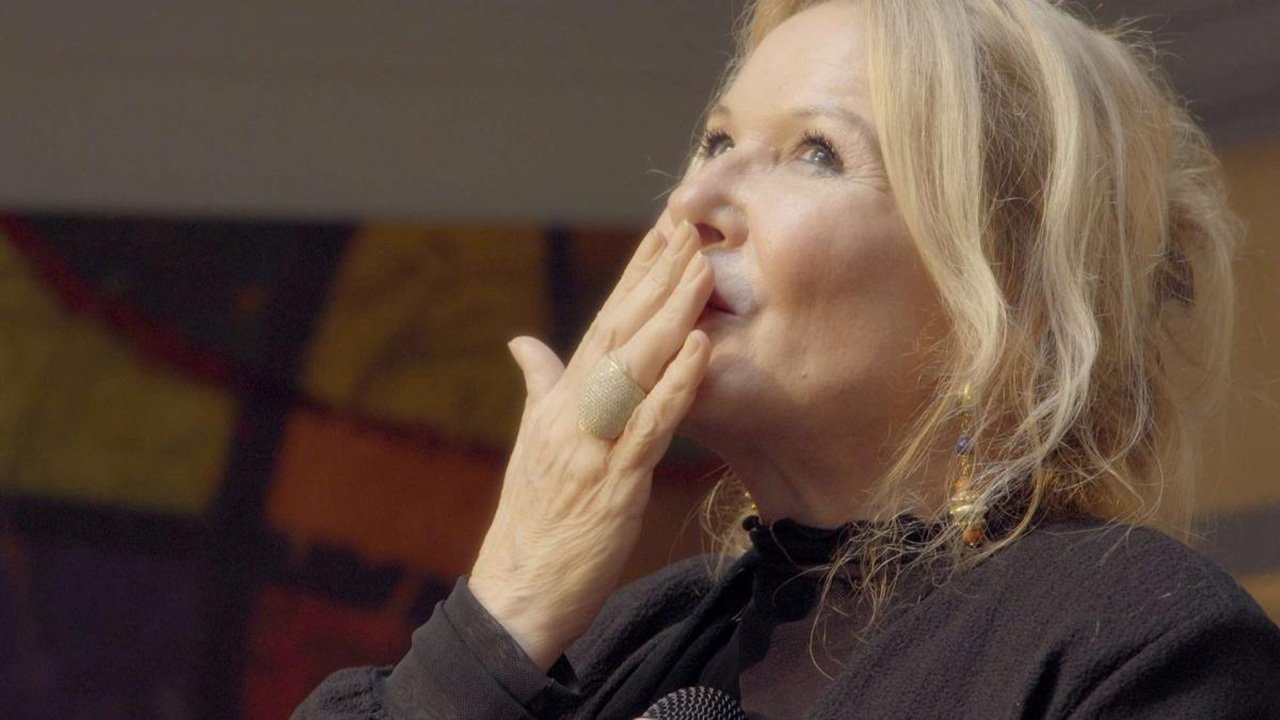
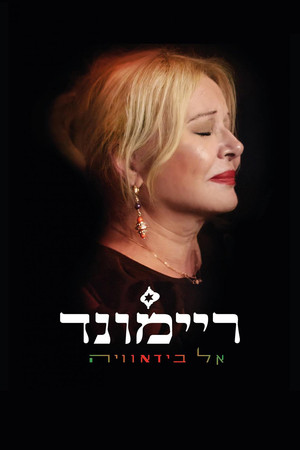


Raymonde - diva, queen, enigma, inspiration, survivor, widow, woman, and mother. Armed with a camera, Yael Abecassis followed her mother and stepped into a world where she had always been a stranger. "You know, daughter, Morocco is a kind of therapy," Raymonde says, and for the first time, they embark on a journey together: from a childhood in the mellah of Casablanca to the dunes of Ashdod and back to Morocco, where the mother became the legendary Raymonde El Bidaoia - a world-famous Moroccan singer. As they journey, Yael discovers a woman who articulates her weaknesses and the complexities of her choices with keen self-awareness, even when mother and daughter are transposed, twined together by guilt, admiration, pain, and above all else - limitless love and music.
Despite everything it was capable of, all of these poor choices strung together amount to nothing more than a counter-productive film.
"There is something going on between us that I cannot unravel."
If you enjoy the bizarre, silly and entertaining world of the horror B-movies and want a break from the nuanced and poignant big budget horror releases, I have a list of gore-fests from the last ten years to enjoy this October.
Despite the film’s efforts to reframe its heroine with modern complexity, a certain emotional distance lingers.
Although bogged down by a slow pace and moralistic intent, ‘Deadly Garage Sale’ (2022) makes the most of its silly and nonsensical premise.