


Dead Poets Society Steals a Queer Story
Dead Poets Society relies on patriarchal tropes such as overbearing fathers, contrived brotherhood, and faux-individuality in order to portray its straight white male characters as oppressed.
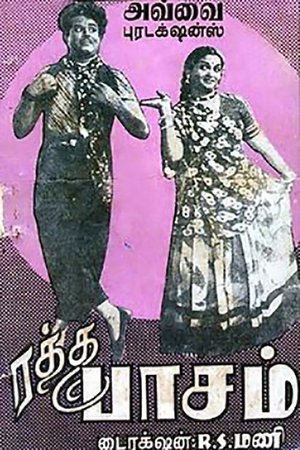


Raja is a petty thief living around the streets of Bombay, indulging in pickpocketing. In the same city lives Rani who makes a living through dancing. The two meet and fall in love. Raghu, the owner of a cycle company, lives luxuriously with his wife Sarala and children in Madras. Madhu, his manager, has been misappropriating the company funds with the help of his lover Manorama who Raghu is later attracted to. The company is soon closed due to losses, putting Sarala and her children in poverty.
Dead Poets Society relies on patriarchal tropes such as overbearing fathers, contrived brotherhood, and faux-individuality in order to portray its straight white male characters as oppressed.
I’m disappointed in The Woman in Cabin 10, but that’s at least in part because of my love of Ruth Ware’s novel.
We, the Jane Austen aficionados, are suckers for everything and anything under the sun that’s remotely related to her and her world. That’s because we are so drawn to her unique style of fiction, romance, and social commentary, we take any allusion to her influence as a hint to what to expect when we start watching a movie or reading a book.
Disney movies have taken a bit of a downward turn recently. How come?
The June episode of the Incluvie Movie Highlights provides 3 new and buzzworthy films presenting different types of love: Good Luck to You, Leo Grande with intimacy, Father of the Bride with familial love, and this month's feature - Fire Island, with intimate and romantic love. Movie Critic Melanie Ojwang joins us to discuss Emergency.
Writing great villains is about striking a balance between charming and evil, so we love them but also love to see them lose.