





Incluvie – Better diversity in movies.
Identity in film with Incluvie stamps, scores, reviews.

Incluvie – Better diversity in movies.
Explore identity in film with Incluvie stamps, scores, reviews, and insights.

trailer banner
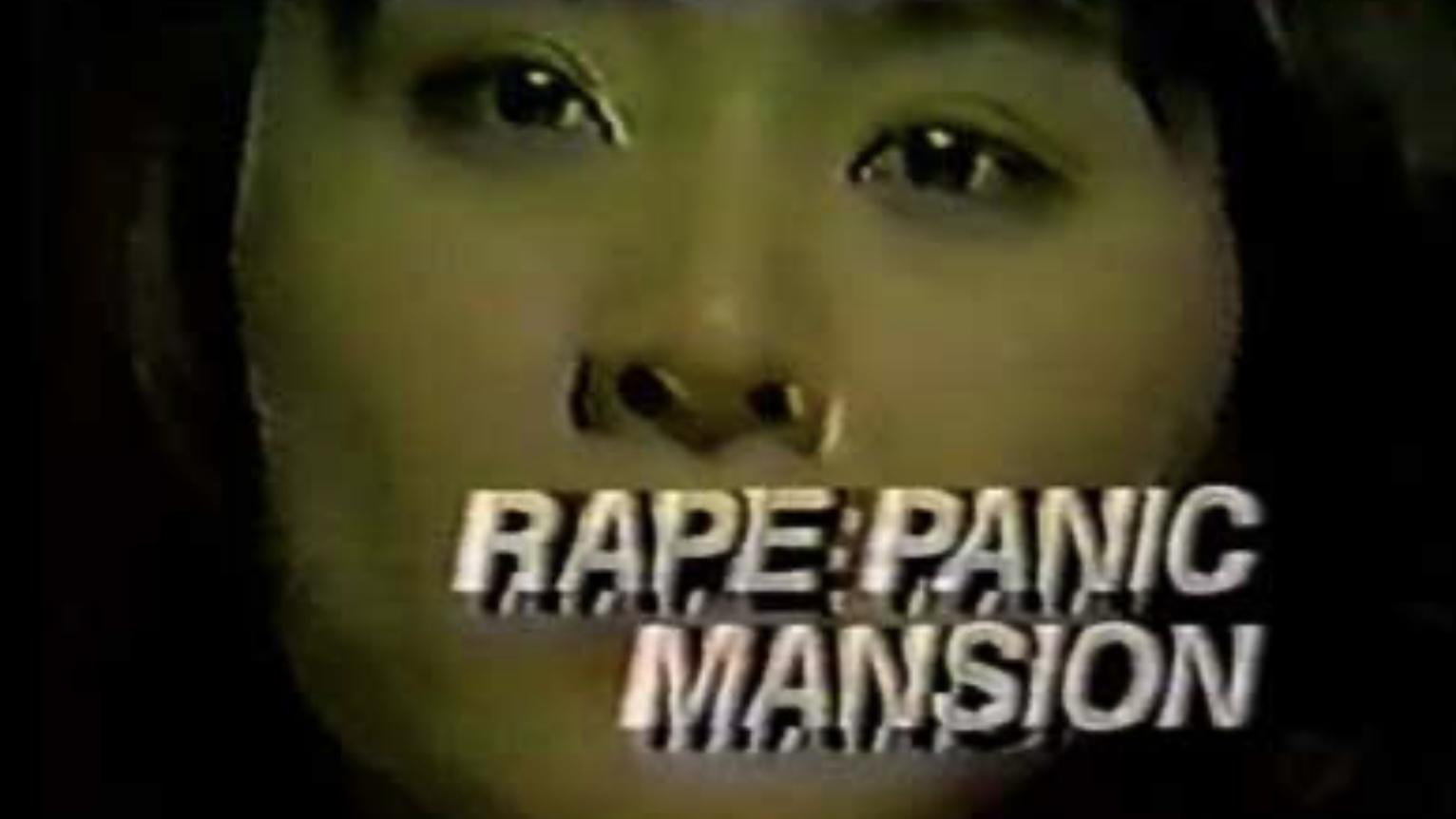
Rape Panic Mansion poster

Rape Panic Mansion 

Keiko, a lonely single woman living in Tokyo, is taking the elevator up to her apartment one day when a couple of young thugs suddenly appear. They immediately assault her, dragging her into a stairwell and taking photographs of her in the throes of her ordeal. She leads them to an apartment inhabited by Miho, a woman she often sees in the building. The men burst in and, after repeatedly beating Miho’s partner, subject both women to endless rape and degradation. In the midst of their mutual torment, the hatred that Keiko and Miho share for each other explodes, revealing them both to be as ruthless as their captors.
- / 5
PopScore
Representation

Pictures and Videos


Incluvie Gala

Movie Information


Keiko, a lonely single woman living in Tokyo, is taking the elevator up to her apartment one day when a couple of young thugs suddenly appear. They immediately assault her, dragging her into a stairwell and taking photographs of her in the throes of her ordeal. She leads them to an apartment inhabited by Miho, a woman she often sees in the building. The men burst in and, after repeatedly beating Miho’s partner, subject both women to endless rape and degradation. In the midst of their mutual torment, the hatred that Keiko and Miho share for each other explodes, revealing them both to be as ruthless as their captors.

Rating:
Genre:Crime, Horror
Directed By:Yoshifusa Ide
Written By:Tatsuo Takeuchi
In Theaters:
Box Office:

Runtime:60 minutes
Studio:Pink Pineapple

Articles You May Like


It's Theater VS Cancer in "Don't Say Good Luck"

Netflix’s new comedy drama, Don’t Say Good Luck, is a heartwarming tearjerker as well as a love letter to the transformative power of being a theater kid. Directed by Julia Hart, Don’t Say Good Luck follows Sophie (Sunny Sandler), a theater kid who finally gets the lead role in her school’s production of Waitress - just as she finds out her mom Elizabeth (Melanie Lynskey) is dying of cancer. While the singing is by no means spectacular and Sandler’s acting is stiff, the film is grounded in the moving performance of Lynskey as a mother who wants nothing more than for her daughter to achieve her dreams, even if she can’t be there to see them.

Jo Moses

'The Half of it' Handles its Presented Social Issues Thoughtfully

The social issues The Half of it takes on are handled well, between the antagonization brought on to Ellie for her race and the conflict that arises from her being gay. Both aspects of her character are built up over the course of the film and don’t seem abrupt or rushed. The film shows racism towards Ellie and her and father in varying levels, from having her schoolmates specifically address her as "Chinese girl” to the fore mentioned way her Dad is treated due to language barriers. The same can be said about Ellie being a lesbian. While she never truly “comes out” in the narrative, that does not undermine her journey of self-discovery from being meaningful. These ideas aren’t thrust upon the viewer in a preachy manor, the scenarios that occur feel believable given the rural setting. The film presents watchers with problems whom those like Ellie may face, and leaves us to sit with them and reflect.

Andrea Amoroso