


The Lovebirds: It Doesn't Soar, But It Glides
'The Lovebirds' is one of those movies that has a very direct appeal when it comes to its comedy. There isn’t a singular style, so much as tidbits of various ones here and there.
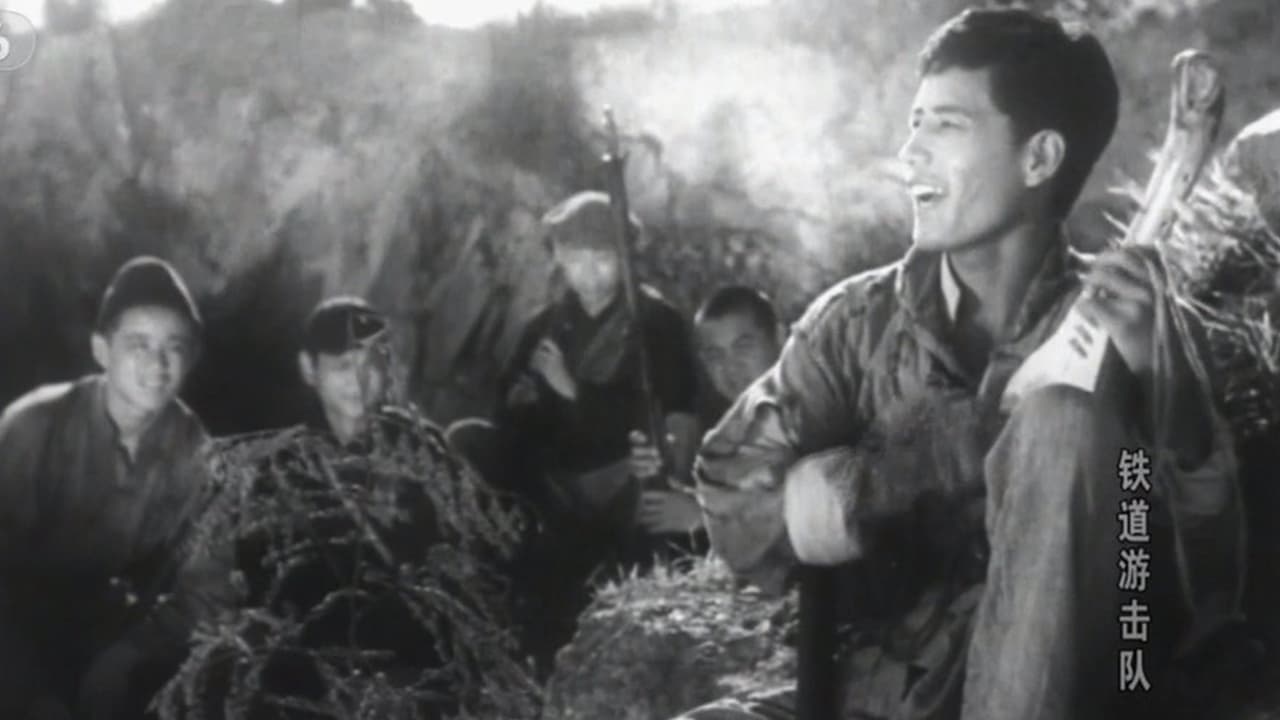



This movie is based on the true story, which happened in Shan-Dong Province of China during World War II. It is based on a collection of memoirs of the guerrilla members. Due to the fact that it happened during World War II and there was not much secrets, this movie is that it was more realistic than other movies in that many real names were used, and the actual site was not changed either like other war movies of the time. The drawback of the movie was that in the latter stage of World War II, the guerrilla force was developed into an impressive 400 plus members from its original beginning of 3, and it launched many major offensives against the enemy, but this part was not shown. The movie only concentrated on the time there were only several dozen members.
'The Lovebirds' is one of those movies that has a very direct appeal when it comes to its comedy. There isn’t a singular style, so much as tidbits of various ones here and there.
“It's not ghosts. It's not supernatural. It's... It's America. And it's everywhere.”
The film may be a thriller, but I wasn’t thrilled by it. If anything, I was bored and annoyed.
This animated movie is based on the migration of birds from the north to the south.
Based on a true story, when his beloved dog goes missing, the owner embarks on an incredible search with his parents to find him.
With The Father, writer-director Florian Zeller- who wrote and developed the play upon which the film is based- pulls no punches as he confidently makes every effort to put the audience in the mind of someone whose grip on reality has all but vanished. It’s a dazzling testament to Zeller’s abilities as a director as he makes his first transition from stage to film appear as if he’s been working behind a camera his entire career. The dialogue he fashions with co-writer Christopher Hampton, along with the work of production designers Peter Francis and Cathy Featherstone, collectively makes the downward spiral of dementia startlingly tangible, doing so in a way that can be comprehended by everyone except the person it directly affects.