
“The Fog”: Women in Classic Horror
The Fog follows more of a 1950s creature feature plot than a late-70s slasher with three legendary scream queens.
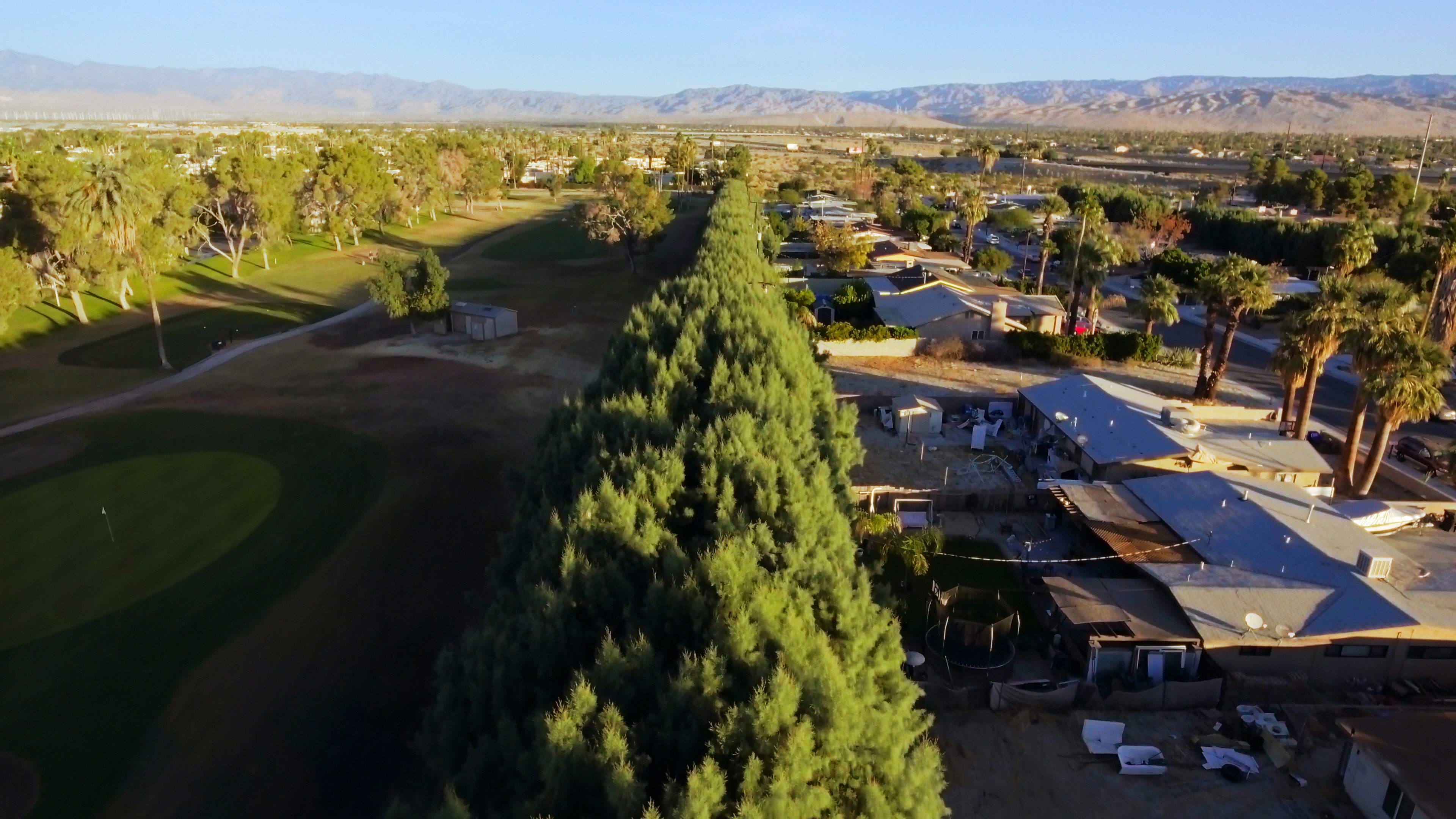



Can a tree be racist? A few years ago, debate on this issue reached as far as Fox News. The focus was a row of tamarisk trees along a huge golf course in Palm Springs, which screened off the neighborhood of Crossley Tract. This is a historically Black neighborhood, named after its founder Lawrence Crossley, who was one of the first Black residents to settle in the largely white tourist paradise, established on indigenous land over a century ago.
The Fog follows more of a 1950s creature feature plot than a late-70s slasher with three legendary scream queens.
You'd better buckle up, pack spare underwear, & maybe lay off the drinking for a night, for a gnarly ride in New York!
The plot could’ve really been interesting if the elements of lycanthropy was integrated with perhaps the struggle of identity of being LGBTQ+. It's an experience for so many that as they’re starting to realizing their true selves, they feel like a monster, especially if they come from unsupportive homes or communities. Instead, the horror and transformation elements seem thrown in without contemplation of how this could deepen the narrative.
This film was filled with great plot points. Unfortunately, they all contradicted each other and clashed. Had the premise of Awake been more consistent and accurately portrayed the real world aspect, I think this could have been an extreme success.
Korean culture shines in this Canadian export.