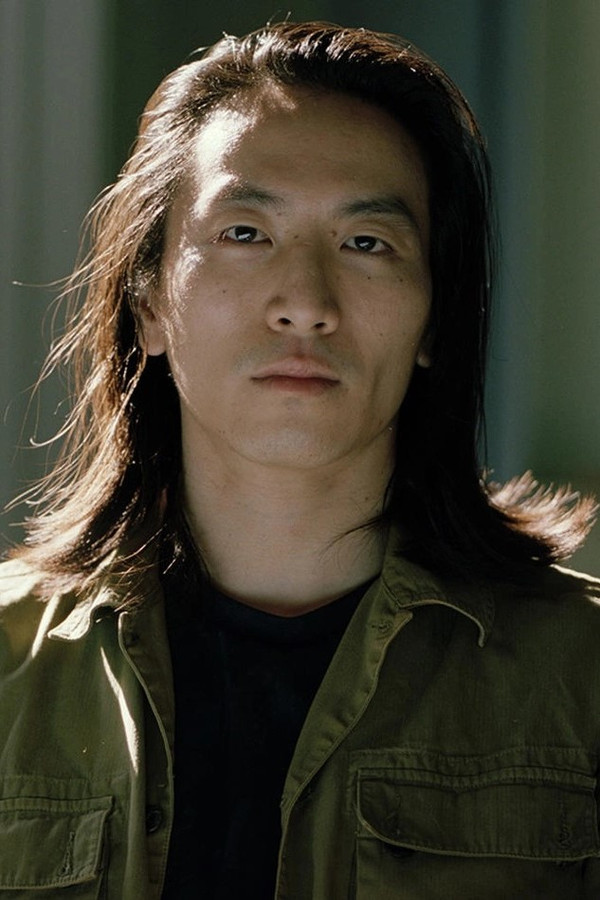

“Hunter”: When Enthusiasm and AI Aren’t Enough for a Coherent Story
The Brazilian filmmaker Alexandre Alonso’s Hunter is a film with a lot of ideas, but with very little holding those ideas together.




The story begins with an anonymous Glaswegian artist-philanthropist who intends to bring the transatlantic ocean liner into the heart of the city and convert it into a new home for the Glasgow School of Art. Designed and built amid the social and industrial upheaval of the 1960s, the luxury liner returns to a city undergoing extensive change under the auspices of urban regeneration. From its moorings in Dubai, the ship passes through the Suez Canal, encountering refugee boats in the Mediterranean, oil rigs in the North Sea, disused shipyards on the Clyde and emerging artist enclaves in Glasgow. A soundtrack by cellist and composer Oliver Coates accompanies the ship on its final European cruise. Continuing Lek’s use of architectural media as a means of social critique, this site-specific simulation transforms the QE2 from a symbol of heavy industry into an institution for art.
The Brazilian filmmaker Alexandre Alonso’s Hunter is a film with a lot of ideas, but with very little holding those ideas together.
It surely isn't for everybody and could certainly offend some folks, but Troll Hunter takes a different approach to representing religion in a film.
A few episodes in, I realized the most prominent theme of In The Long Run wasn't culture, race or even finding independence--but the idea of belonging.
When we hear Korean Cinema, we often think of South Korean Cinema, but what about North Korea? Sure, North Korea has its propaganda moments, but 'Pulgasari' might be its best one yet.
While Peter’s heroics might have been a bit unrealistic at times due to his lack of experience, I will always support the civilian taking down the establishment.
Rather than focusing on the bleak, cynical aspects of life post-pandemic, the focus is optimistic and hopeful.