



There’s No Way That Spider-Man: No Way Home Hits Home
It's chock full of dream-come-true moments for Spidey fans, but its lack of substance reeks of a self-indulgence that is rare even in fan fiction

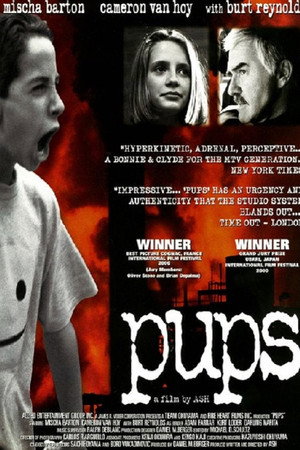


When troubled teen boy Stevie (Cameron Van Hoy) and his girlfriend, Rocky (Mischa Barton), attempt to rob a bank without any forethought, the situation rapidly deteriorates. Soon the young couple is holding bank customers and employees hostage, while law enforcement gathers outside. Daniel Bender (Burt Reynolds), a veteran negotiator for the FBI, is charged with assessing the crime scene and ending the standoff as quickly as possible, but Stevie's short fuse considerably complicates matters.
It's chock full of dream-come-true moments for Spidey fans, but its lack of substance reeks of a self-indulgence that is rare even in fan fiction
This Netflix series is a remake based on the book series of the same name with a more diverse main cast.
'Zombieland: Double Tap' was entertaining and fun at times, but not very evolved. It had poorly developed female characters and stereotypical characters of color.
When long-time couple Jenny and Nate break up so Jenny can pursue her journalism career, Jenny leans on her two best friends for one last epic night in the city.
This surprisingly clever romantic comedy perfectly balances genuine heart with wild reality television chaos. It is an uplifting and funny reminder that second chances and real community can show up exactly when you stop looking for them.
'City of God' depicts the cylindrical cycle of violence that is forced upon the underprivileged.