
Indian Representation in Disney's Spin
A movie that brings Indian culture with classic Bollywood themes and electronic dance music.
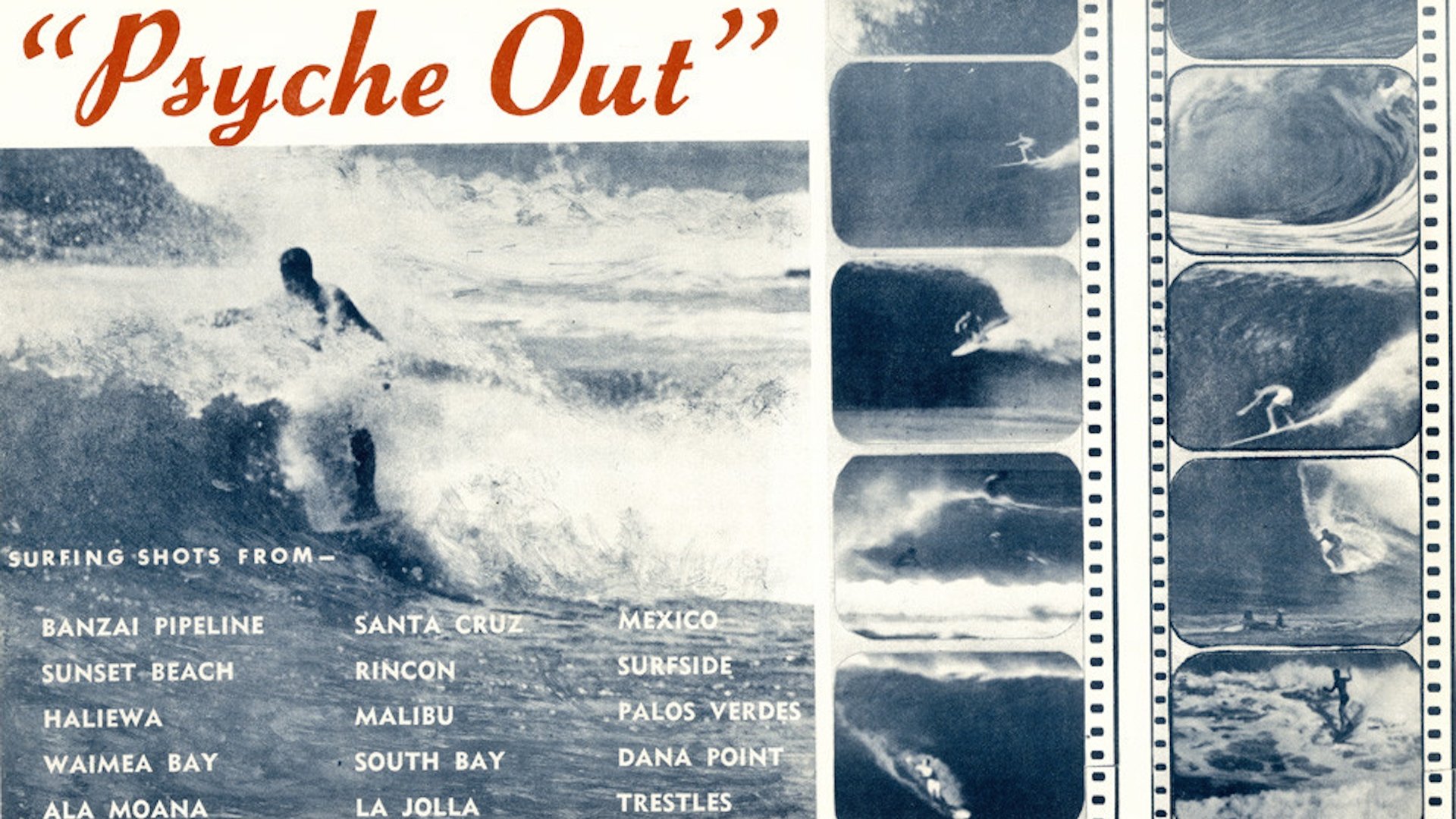



The opening moments of "Psyche Out" introduce a young boy who craves the adventures achieved in the surf. The boy -- or at least his dreams -- seem like they could provide a recurring framing device for Walt Phillips' third film (following "Sunset Surf Craze" and "Surf Mania"), but that's the last we see of the boy or hear of ambitions. "Psyche Out" contains less poetic musing, travelogue, comic relief or similar stuff characteristic of surf films of the time, in favor of surf action at Malibu, Point Zero, Rincon and Steamer Lane. This is to the benefit of the film.
A movie that brings Indian culture with classic Bollywood themes and electronic dance music.
21 Bridges isn’t going to revolutionize action cinema. However, its action components are respectable. Every act is visibly clear, and as time moves forward, the film changes its conflictual rhythm.
The 92nd Academy Awards had many strong contenders for best animated short. But which Oscar nominated short wins for diversity and inclusion?
The May Incluvie Movie Highlights features 3 fantastic coming-of-age films. We explore butterfly-inducing Sneakerella and Crush, and the sadly timely feature - The Fallout, about the after-effects of a school shooting.
Billy Eichner provides a hearty dose of good old fashioned romance with a lot of laughs
Unlike other documentaries about Princess Diana, Perkins’ film, 'The Princess', is an entire documentary consisting of media coverage and public opinion, rather than a typical series of people interviewed with firsthand experience of the Princess. 'The Princess' beautifully depicts how we perceive Diana as a media figure rather than a real person, specifically creating her persona as a fairytale figure turned saint and icon.