






Trans Allegories in Film: 'Robots' (2005)
Animation as a medium of storytelling can be thought to be open to all ages and as I hope my readings will reveal, they could be interpreted as transgender stories.
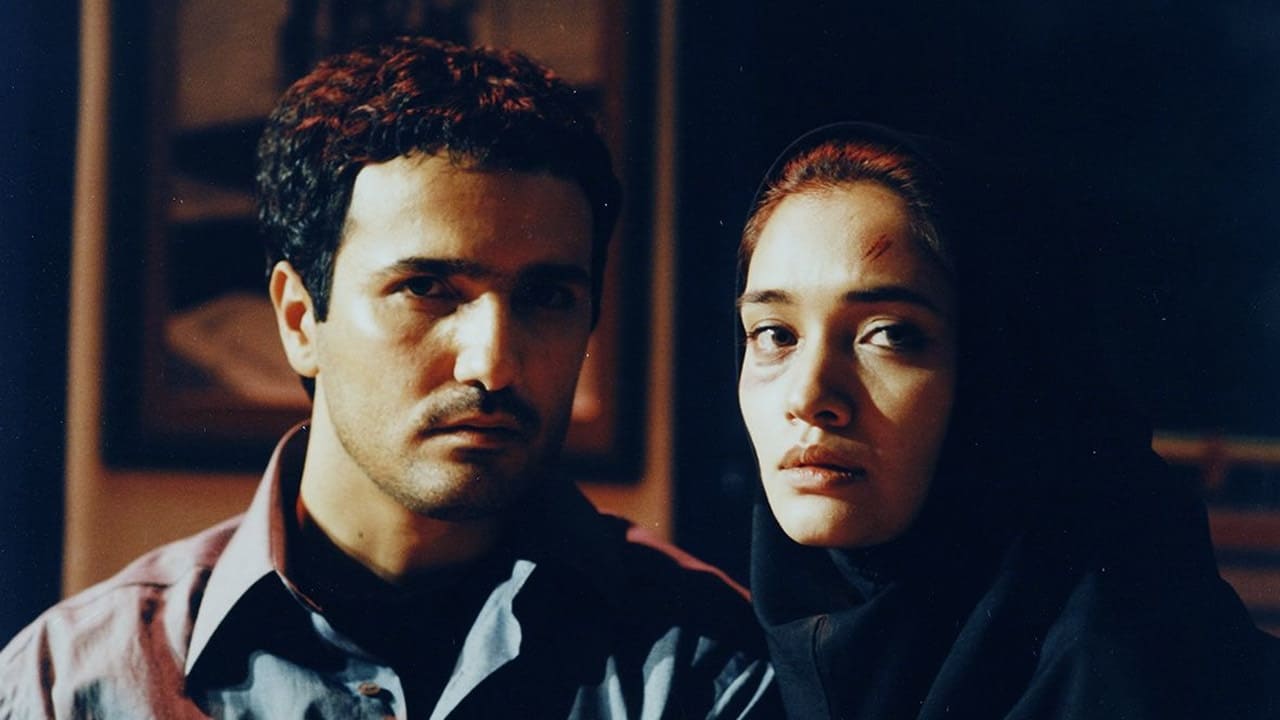



When Amir learns that the woman who is to marry his younger brother Reza is having an affair with another man, he murders her to restore his family's good name. Considering the killing to be a matter of honor, Amir stoically goes to prison for 12 years where his fellow inmates regard him as a hero. But when he is released, he discovers that the Iran he knew has changed.
Animation as a medium of storytelling can be thought to be open to all ages and as I hope my readings will reveal, they could be interpreted as transgender stories.
The film centers around two young women, Becca and Sam, who were once high school sweethearts until they reconnect in their town.
Welcome to a special episode of the Incluvie Movie Highlights. This summer we held the Incluvie Short Film Festival. The film festival discovers and brings to light some outstanding short films starring main characters from diverse backgrounds, who are often overlooked in Hollywood. The filmmakers and actors from the 3 winning films came in and talked about their process and what it was like to make the film.
With The Father, writer-director Florian Zeller- who wrote and developed the play upon which the film is based- pulls no punches as he confidently makes every effort to put the audience in the mind of someone whose grip on reality has all but vanished. It’s a dazzling testament to Zeller’s abilities as a director as he makes his first transition from stage to film appear as if he’s been working behind a camera his entire career. The dialogue he fashions with co-writer Christopher Hampton, along with the work of production designers Peter Francis and Cathy Featherstone, collectively makes the downward spiral of dementia startlingly tangible, doing so in a way that can be comprehended by everyone except the person it directly affects.
Making Apes begins by looking back at the history of makeup effects in Hollywood, which was revolutionized by Jack Pierce, the person behind Frankenstein (1931) and The Wolf Man (1941)