The Relentless Victimization of Marilyn Monroe in "Blonde"
'Blonde' commits a relentless assault on the autonomy of Marilyn Monroe, reducing the icon to nothing more than a victim of the director's whims.




At the Brentwood Asylum for the mentally ill, psychiatrist partners Jane Everest and Alex MacGregor are broken up by the new superintendent, Dr. Charles Monet, who has a low regard for women physicians. Jane and Charles clash on patient treatment, and Jane learns that Charles has a sister, Claire, with a mysterious past.
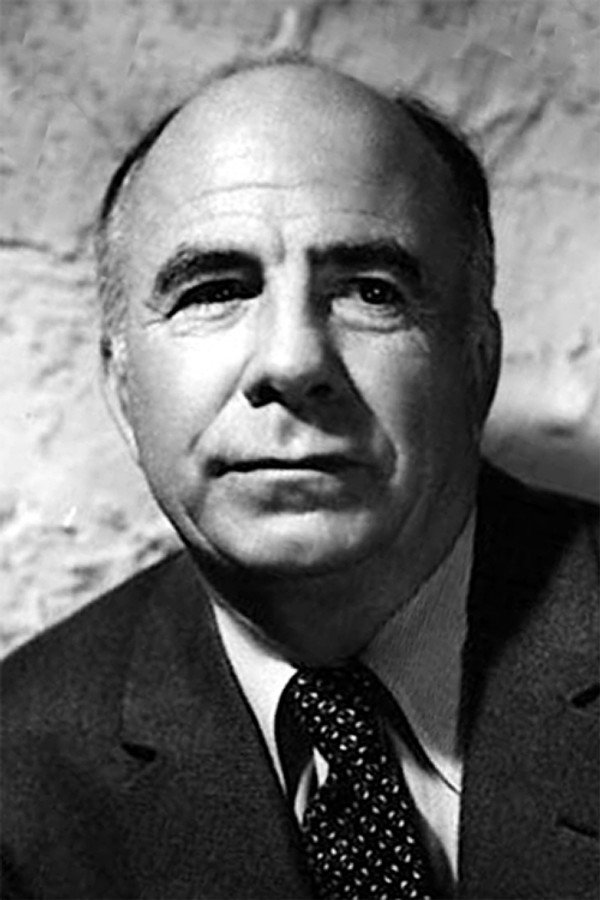
Gregory La Cava
Director


Claudette Colbert
Dr. Jane Everest

Charles Boyer
Dr. Charles Monet

Joan Bennett
Sally MacGregor

Helen Vinson
Claire Monet

Joel McCrea
Dr. Alex MacGregor

Jean Rouverol
Carrie Flint

Esther Dale
Matron

Guinn 'Big Boy' Williams
Jerry Stone

Dora Clement
Bertha Hirst
Sam Godfrey
Tom Hirst

Samuel S. Hinds
Dr. Arnold
'Blonde' commits a relentless assault on the autonomy of Marilyn Monroe, reducing the icon to nothing more than a victim of the director's whims.
A refreshing twist is that all the kids’ powers are…kind of useless. There’s a kid who can only move in slow motion, a kid who has every power in the world but can only use them randomly, and our main character Missy who has no powers at all. The thesis of the film seems to be that it doesn’t matter what kind of powers you have, its the way you use them, which is good for the warm and fuzzies.
Ruben Östlund muses about his characters, “As soon as you get close to a person, you see them as just another human being”. It is widely recognized that aboard the luxury yacht in ‘Triangle of Sadness’, the different groups of people represent a small society as a commentary on classism and gender binaries.
Hitchcock is no stranger to innuendo, as was common in that era, but there was something so sophisticated about his approach to 'Rope', and it starts in the first frame.
'Motherless Brooklyn' is a 1950s whodunit made by its star, Edward Norton. Like most detective films in this setting, the cast is mostly white males (with a few notable exceptions).