Once Upon a Time in (White) Hollywood
Tarantino's alternative history of the 1960's uncritically repeats the era's sexist and racist stereotypes.
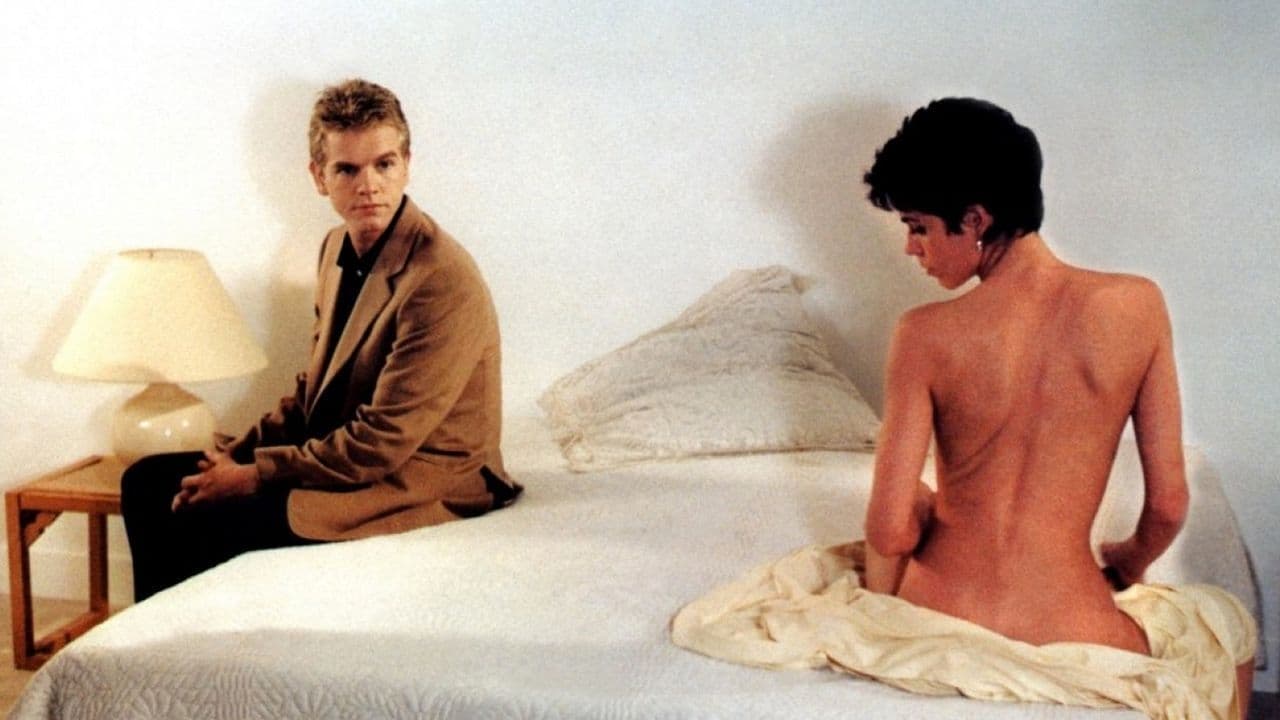



Jeanne Kern is a pretty, somewhat repressed schoolteacher who suffers a smear campaign at work. Someone has been sending her director letters accusing her of lewd and immoral conduct. Matters take a turn for the worse when a photograph of an orgy is sent to all the faculty with one face cut out; presumably, the face is hers.
Pierre Granier-Deferre
Director


Élisabeth Bourgine
Jeanne Kern
Michel Aumont
Bruno Ketti

Xavier Deluc
Laurent

Sylvia Zerbib
Patricia

Emmanuelle Seigner
Zanon

Sandrine Kiberlain
Une élève
André Chaumeau
Redon, le concierge

Jacques Boudet
Bonnier , prof de lettre

Rosine Rochette
Brigitte

Pierre Vernier
Philippe, le père de Jeanne

Dominique Zardi
L'appariteur
Tarantino's alternative history of the 1960's uncritically repeats the era's sexist and racist stereotypes.
This story solidified my choices to consume a more plant-based diet and nearly made me cancel my subscriptions to big corporations like Amazon. The narrative was perfectly crafted and on par with Bong Joon-Ho’s other major works; Parasite and Snowpiercer.
The more biting satire is reserved for those on top of the power structure, such as the police, while those occupying lower levels are given more nuance and likability, even if they operate on the wrong side of the law. This principle gives Deep Cover its heart.
Taika Waititi writes, directs and co-stars in 'Boy', set in 1984 New Zealand. The film does just what Waititi dreamed of — it gave a great coming-of-age story to Māori people without making a story of the Māori people as an exotic other.
A few episodes in, I realized the most prominent theme of In The Long Run wasn't culture, race or even finding independence--but the idea of belonging.