


'The Mad Woman and the Feminist' Review: MiamisFF
'The Mad Woman and the Feminist': This Spanish entry for the MiamisFF directed by Sandra Gallego handles a difficult conversation in a smart, memorable way.
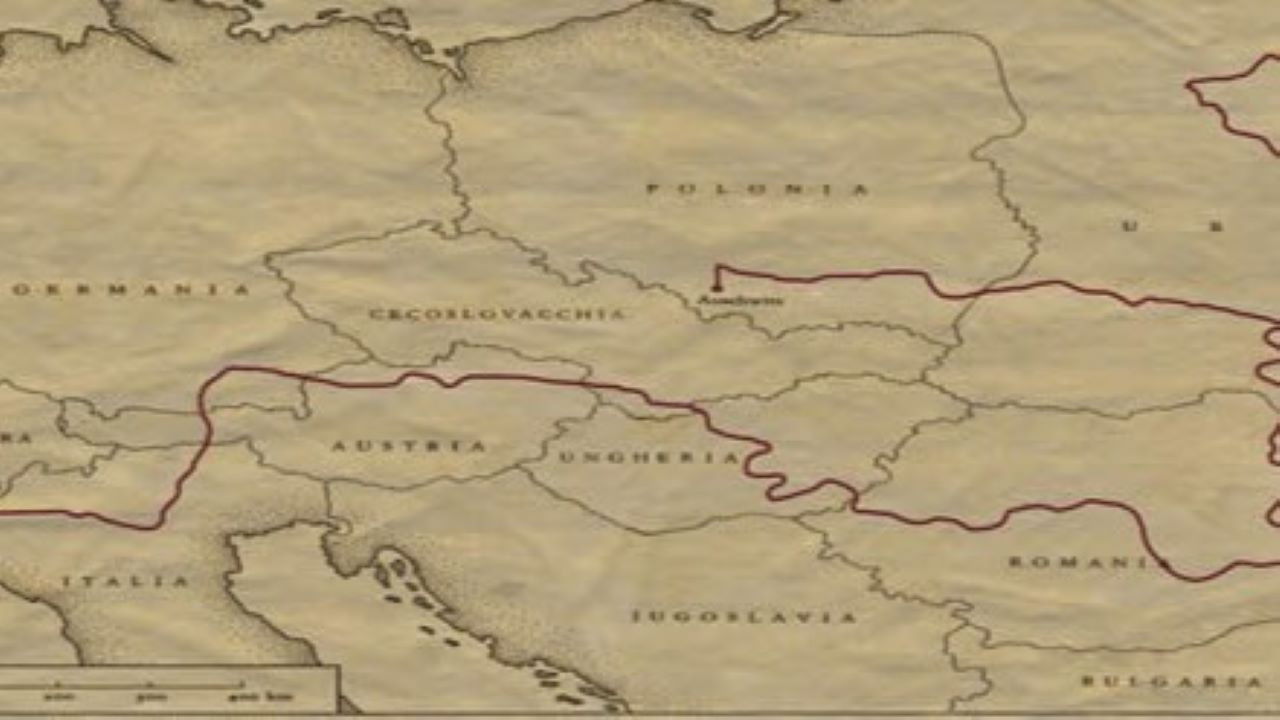



In February, 1945, Primo Levi (1919-1987) and other Auschwitz survivors set off for home. The journey took more then eight months. Sixty years later, a film crew retraces Levi's steps. Levi's words, mainly from "The Truce" (1963), tell us what he experienced. In turn, we see Poland's hollow post-war factories, nationalism in the Ukraine, Soviet-style Communism in Belarus, the abandoned town of Prypiat (Chernobyl), poverty and emigration from Moldavia, Italian factories in Romania, and on across Hungary and Slovakia to Munich where Levi's rage found no listeners. Then home to Turin. An aged Mario Rigoni Stern remembers his friend. What has changed? Some issues of the war remain unsettled.
'The Mad Woman and the Feminist': This Spanish entry for the MiamisFF directed by Sandra Gallego handles a difficult conversation in a smart, memorable way.
In The Women and the Murderer, directors Mona Achache and Patricia Tourancheau center women—the very demographic true crime is designed to appeal to.
The more biting satire is reserved for those on top of the power structure, such as the police, while those occupying lower levels are given more nuance and likability, even if they operate on the wrong side of the law. This principle gives Deep Cover its heart.
An in-depth discussion about anti-Black discrimination in college and professional football.
Two Korean sisters must save their family after a ghost tears the family apart.
This indie short documentary archived the story of a staple rock band as well as an essential part of local history.