

“Primetime” and Emptiness
This is not McDonald’s. This is something different.
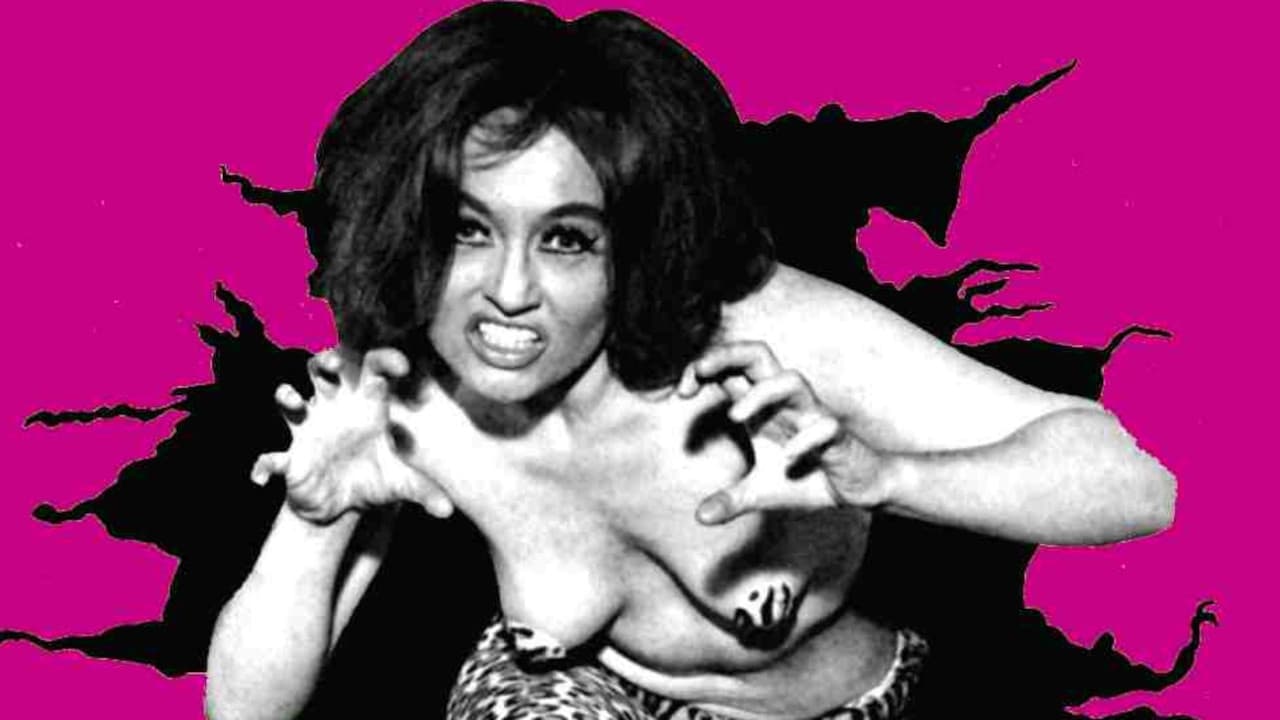
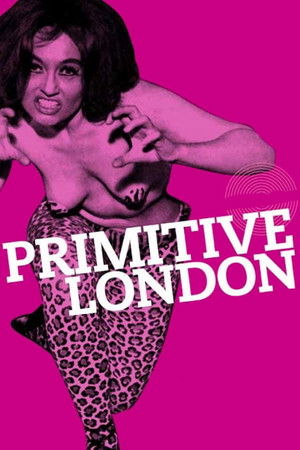


The sensational follow-up to "London in the Raw," "Primitive London" sets out to reflect society's decay through a sideshow spectacle of 1960s London depravity—and manages to outdo its predecessor. Here, we confront mods, rockers and beatniks at the Ace Café, cut some rug with obscure beat band The Zephyrs, smirk at flabby men in the sauna and goggle at sordid wife-swapping parties as we discover a pre-permissive Britain still trying to move on from the post-war depression of the 1950s.
This is not McDonald’s. This is something different.
In Spike Lee’s She’s Gotta Have It (1986), we follow the love life of powerful female protagonist Nola Darling (Tracy Camilla Johns) and explore the relationship dynamics she has with her partners. She sees three men simultaneously: Greer Childs, (John Canada Terrell) Mars Blackmon (Spike Lee), and Jamie Overstreet (Tommy Redmond Hicks). Though an 80’s film, She’s Gotta Have It is surprisingly progressive with its themes of female sexuality, although at some points in the film it is handled clumsily. Overall Nola is an incredibly compelling character especially for modern women, as we as a society acknowledge female sensuality more and more without the negative stigma.
'Brother' is a gripping family drama with dazzling performances all around.
The documentary depicts the indigenous people of Mexico with sublime reverence, highlighting a generational harmony with the land.
Despite it being one of the most visually impressive action movies I’ve ever seen, everything else fell short of my expectations.