






“Supergirl” is like, fine, or whatever
Supergirl is a decent movie, anchored by great action scenes and a great lead performance
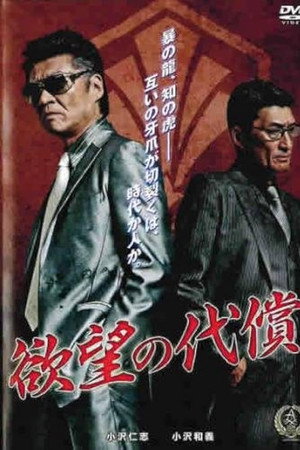


The era when yakuza could live as yakuza is over. Genichi Taguchi (Tetsu Watanabe), chairman of the Kanto Kyojin-kai, the massive organization that controls the Kanto region, was also preparing to retire from the underworld. The names of two brothers were being mentioned as potential successors: Ryugen (Hitoshi Ozawa), the head of the Togoshi-gumi—the Kyojin-kai’s most powerful faction—and Genichi’s biological son; and Toraji (Kazuyoshi Ozawa), the head of the Wakashishi-kai, which boasts the Kyojin-kai’s greatest financial power. However, the two men—whose qualities as yakuza were too different—gradually came into conflict over the succession, and that conflict escalated into a bloody internal struggle that split the Kanto region in two.
Supergirl is a decent movie, anchored by great action scenes and a great lead performance
I’m still trying to comprehend the psychological and moral implications of their fascination with each other, or why their almost written-in-the-stars depth of connection makes so much sense.
David Fincher is back in his playpen, with a dark and chilling thriller.
From its visually stunning opening credits, which show women dancing through a forest to musical rhythms that sound almost primal, to its quiet, heartbreaking final frame, Mona Fastvold’s historical rendering of the Shaker religious movement is an experience that will stay with me for a long time.
American Fiction is a genuinely entertaining film with a few lessons.