






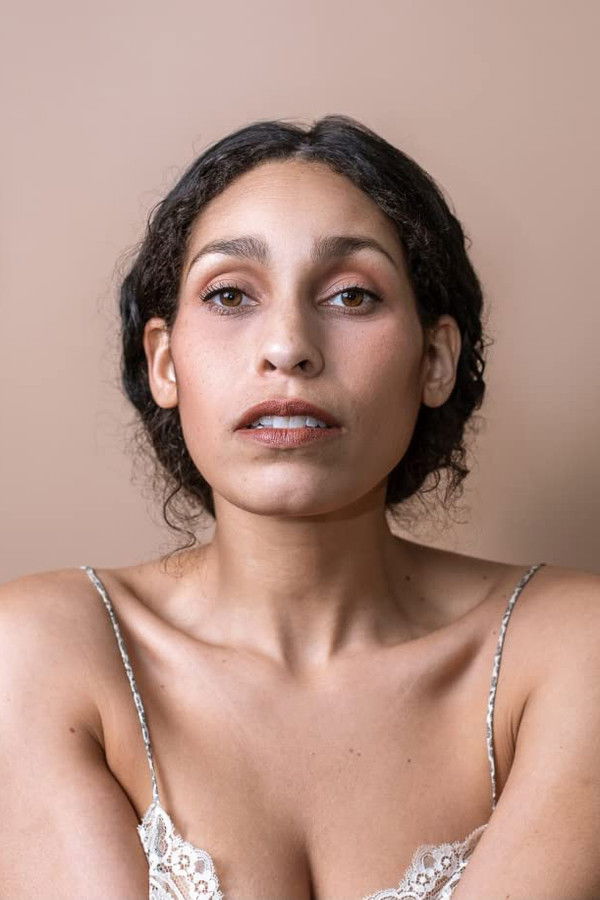
The Lack of Exposition Makes 'Fast Color' a Compelling Narrative on Repressed Personalities
That feeling in your gut which tells you that there’s something out there you should look for and make your own, is what the power represents
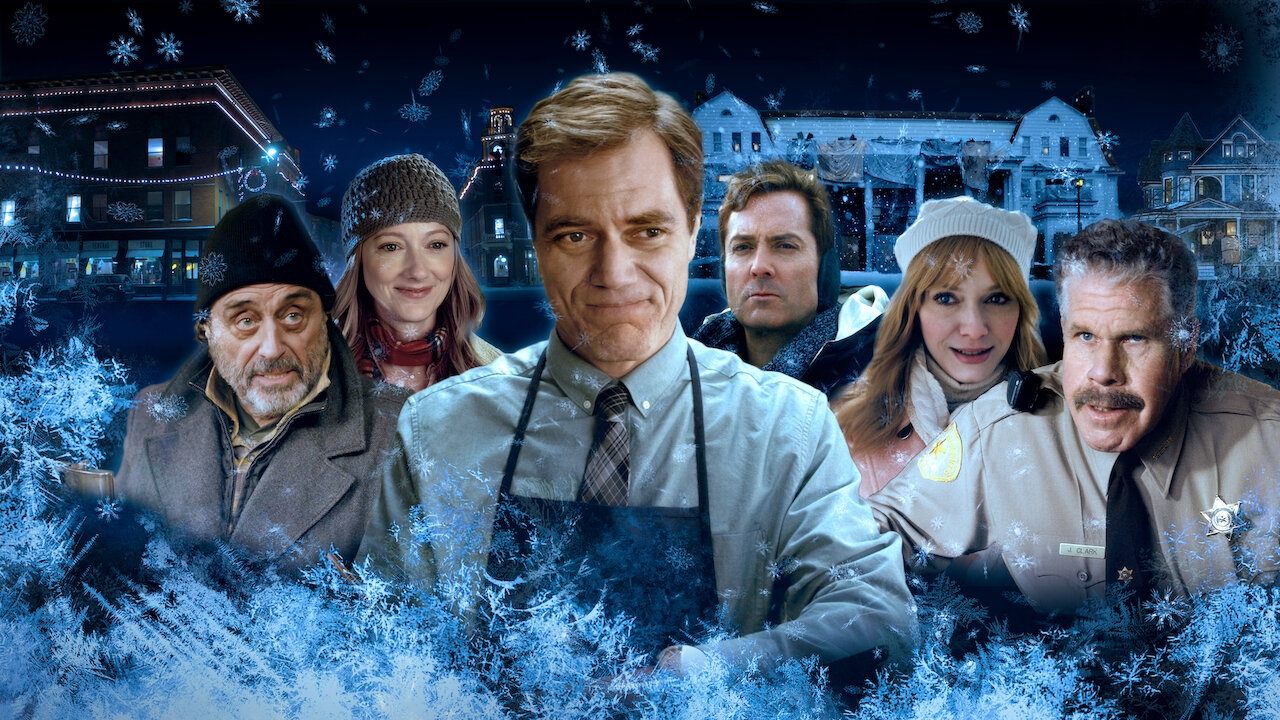



Maynard, a beloved local businessman is mistaken for the legendary Bigfoot during an inebriated romp through town in a makeshift gorilla costume. The sightings set off an international Bigfoot media spectacle and a windfall of tourism dollars for a simple American town hit by hard times. When Brock Masterson, reality TV’s “Monster Hunter,” arrives to hunt the beast, Maynard agonizes over whether to come clean, destroying the rebirth of his beloved town, or perpetuate the inadvertent hoax.
That feeling in your gut which tells you that there’s something out there you should look for and make your own, is what the power represents
This animated kids' movie shows viewers two different species--jungle animals and aliens--and how both species coexist.
A baking competition that delivers cookies ‘n screams.
I am an Armenian who has a mild form of epilepsy. I rarely see Armenian culture and epilepsy properly portrayed in film or TV. I delve into the how and why.
Throughout Brendan Fraser’s career, he has played a plethora of unique, layered characters who explore the importance of not being afraid to display your emotions, something that is often seen to not be a masculine trait. This idea of regulating emotion and what traits men are able to possess creates a toxic atmosphere for men who are often told they should not cry or represent their emotions in any physical way. These characters represent that men can be joyful, emotionally conscious, and sensitive, while also representing their masculine identity instead of painting those qualities as fighting against their masculinity.