Incluvie – Better diversity in movies.
Identity in film with Incluvie stamps, scores, reviews.

Incluvie – Better diversity in movies.
Explore identity in film with Incluvie stamps, scores, reviews, and insights.

trailer banner
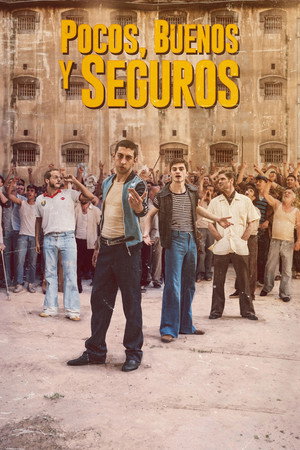
Pocos, buenos y seguros poster

Pocos, buenos y seguros 

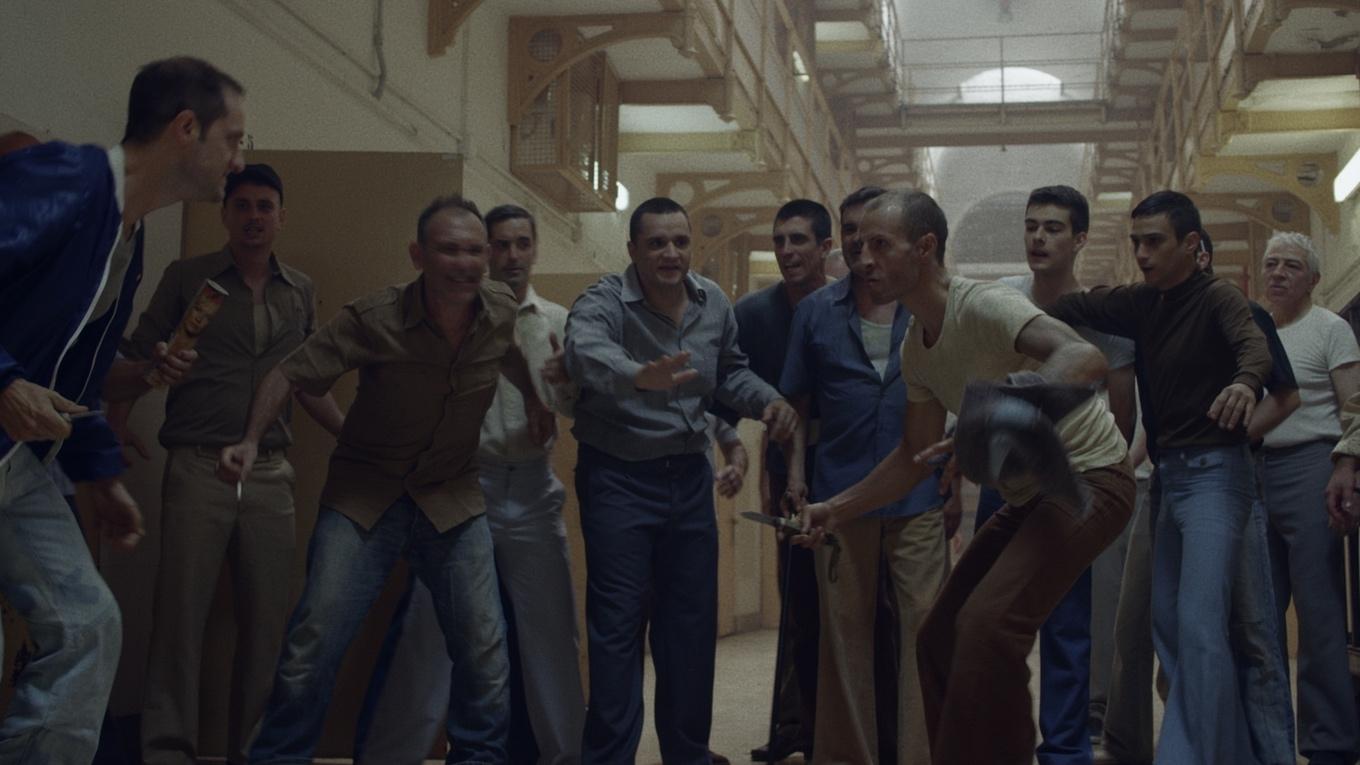
A common prisoner faces the toughest prison regime at the end of the Spanish dictatorship. Running away from the hostility and alienation of the prison population, he will find a more liberating opportunity than his own escape. Miguel is a common prisoner serving time in the prison of Carabanchel (Madrid) in 1975. In his search for freedom and running away from the alienation of the prison environment, he will end up encouraging the first action that took place in Spanish prisons to call for the mobilization of common prisoners.
- / 5
PopScore
Representation

Pictures and Videos


Incluvie Gala

Movie Information


A common prisoner faces the toughest prison regime at the end of the Spanish dictatorship. Running away from the hostility and alienation of the prison population, he will find a more liberating opportunity than his own escape. Miguel is a common prisoner serving time in the prison of Carabanchel (Madrid) in 1975. In his search for freedom and running away from the alienation of the prison environment, he will end up encouraging the first action that took place in Spanish prisons to call for the mobilization of common prisoners.

Rating:
Genre:
Written By:
In Theaters:
Box Office:

Runtime:20 minutes
Studio:

Articles You May Like


Who Needs 'Independence Day' When You've Got 'Sorry to Bother You'?

Sorry to Bother You ultimately speaks to the unfair advantages that the country’s power structures award to those with the resources to control others, as Lift’s easy access to the media allows his opinion to be the only one that matters in the eyes of the unsuspecting and easily impressed public. Moreover, it reveals the extent to which the American Dream has any true validity. It postulates how the promise of success and fulfillment as promoted by the American Dream more often than not leads to the undoing of the individual. Interestingly, in its revealing of the American Dream as merely a facade, Sorry to Bother You wisely questions whether or not anything can really be done to undo a system that has been accepted and in action for centuries.
Matt Geiger


