

'Not Okay' Review: A Perfect Companion Piece to ‘Nope’
While it initially sounds nothing like 'Nope,' the focus on recording/sharing everything—especially trauma—for profit makes Hulu's 'Not Okay' similar to Jordan Peele’s newest movie.
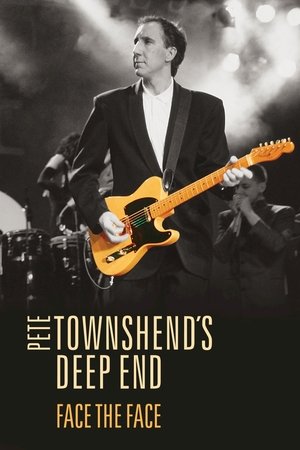


This show was filmed for the famous German TV series Rockpalast in MIDEM in Cannes on 29th January 1986. Pete Townshend's Deep End were touring in support of Townshend's solo concept album "White City: A Novel". Several of the musicians that appeared on the album were featured in the line-up of the Deep End including Pink Floyd's David Gilmour on lead guitar. The set list has tracks from the "White City" album, other Pete Townshend solo tracks, Who classics, David Gilmour's song "Blue Light" and a couple of surprises. Pete Townshend and the band deliver an outstanding performance that showcases him as a solo artist as distinct from his work with The Who.
While it initially sounds nothing like 'Nope,' the focus on recording/sharing everything—especially trauma—for profit makes Hulu's 'Not Okay' similar to Jordan Peele’s newest movie.
A review of the Ryan Polomski documentary featuring the story of Basketball star Raymond Lewis.
Although Tuner is technically a heist movie, music and sound are woven into almost every aspect of Niki’s story. That’s what made Tuner such a pleasant surprise. I expected a film about music and discovered a heist movie, only to find that music was still at the heart of it.
Bollywood's new superhero universe is a romantic, fantasy, and action-packed journey of a young warrior who rises to save the world with superpowers.
As a cultural touchstone, Jaws has launched a thousand parodies, tributes, and memorable quotes.
Praising Black representation and condemning the power structures that suppress it, a mother delivers an impassioned speech to her distant son.