
Rallies and Musical Numbers: Hairspray Unpacks Racism in The 1960s
The multifaceted musical represents America in the 1960s and the battle against bigotry as an ensemble cast portrays how to fight for the limelight.
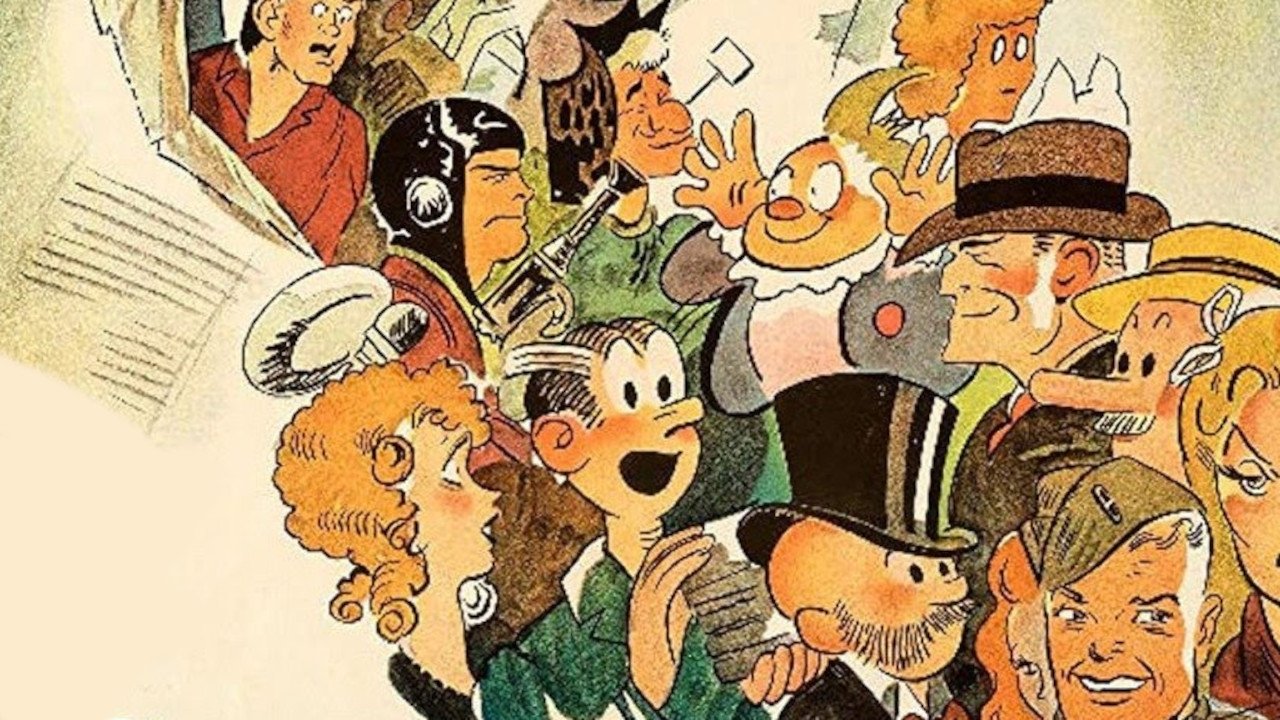
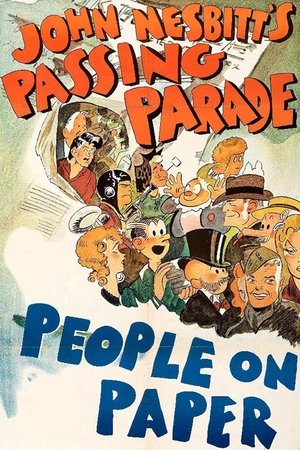


Americans are preoccupied with the news, but need an escape from many of the events reported in the news. These escapes in the past have included dime store novels. The most accessible of these escapes is what are known as the funny papers, the set of serialized comic strips that are included within many newspapers. They appeal to all socio-economic classes, and all ages. Some of the earliest known from the late 19th century include the Yellow Kid, Little Nemo, Happy Hooligan, the Katzenjammer Kids, Mutt & Jeff, and Bringing Up Father. Many cartoonists are seen in action. Some originated their characters, while others have taken over following the passing of the originator. The joy of many comic strips are the absurd and the fantastical, which are limited only by the imagination of the cartoonist. Others are grounded in reality, which add to their poignancy within the public mindset.
The multifaceted musical represents America in the 1960s and the battle against bigotry as an ensemble cast portrays how to fight for the limelight.
KIMI is the main character of this film and as much as I wish it was Angela Childs played by Zoe Kravitz, it isn't. KIMI is a smart device that works not unlike Amazon's Alexa and Google's Nest assisting in anything from home purchases to music playing all under the guise of only activating when in use.
In this short film, writer/director Nikita Hattangady focuses on Jai, a starving artist rooted in the latter category. Though unhoused, he works hard.
An adaptation of the book series ‘The Knife Of Never Letting Go’.
This is a film that is going to leave some people bored, and some people thrilled.