Writing Great Villains: Why They Shouldn't Be Sympathetic
Writing great villains is about striking a balance between charming and evil, so we love them but also love to see them lose.
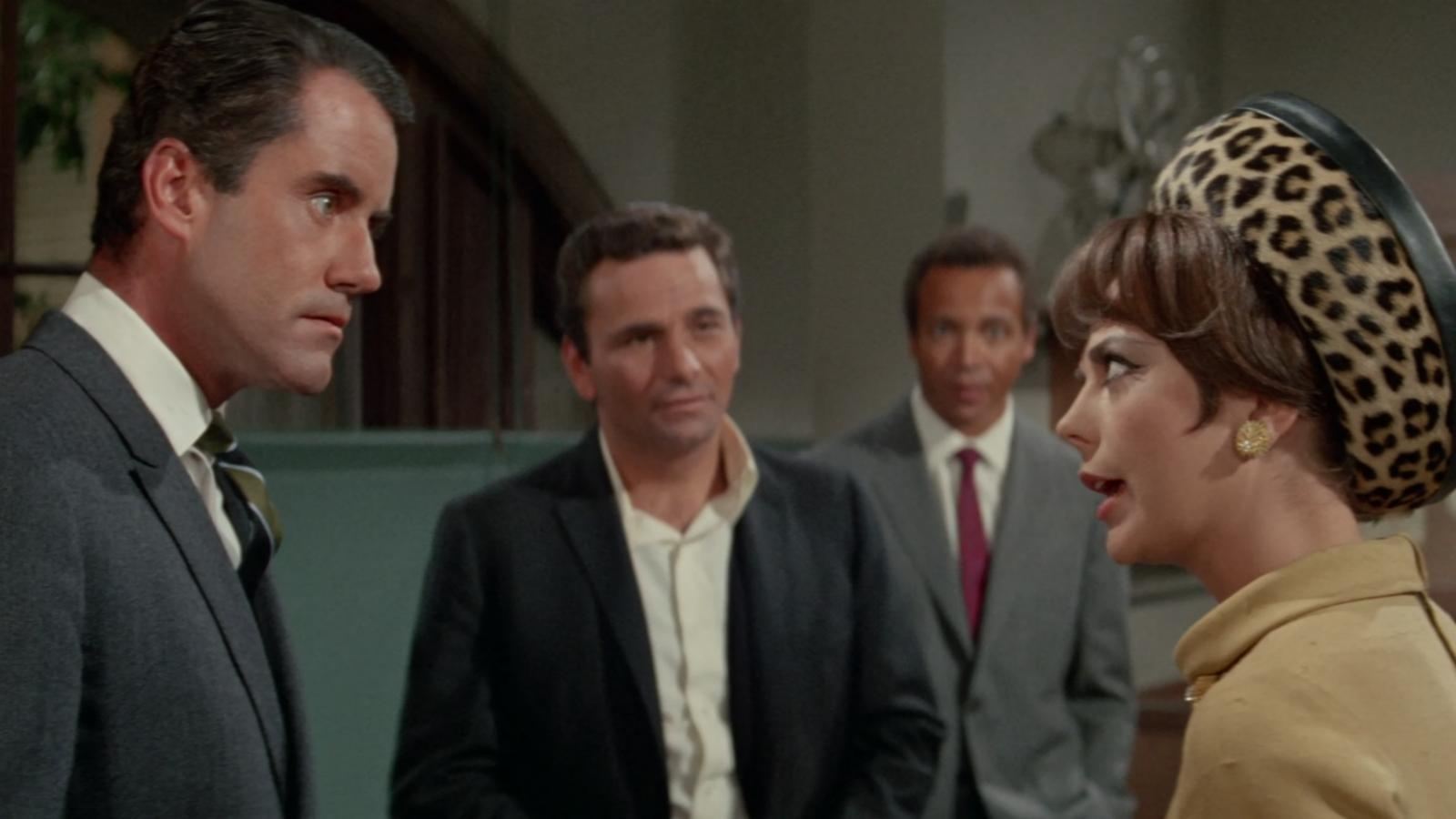



When Penelope gets married to banker James Elcott, she finds him too preoccupied with work to pay much attention to her, so she robs his bank in disguise. After she confesses to her psychiatrist, Greg Mannix, he offers to return the money for her, as he is secretly in love with her. However, he abandons the money when the police approach. Penelope becomes determined to admit to the crime, but neither James nor the police believe her story.

Arthur Hiller
Director


Natalie Wood
Penelope

Ian Bannen
James B. Elcott

Dick Shawn
Dr. Gregory Mannix
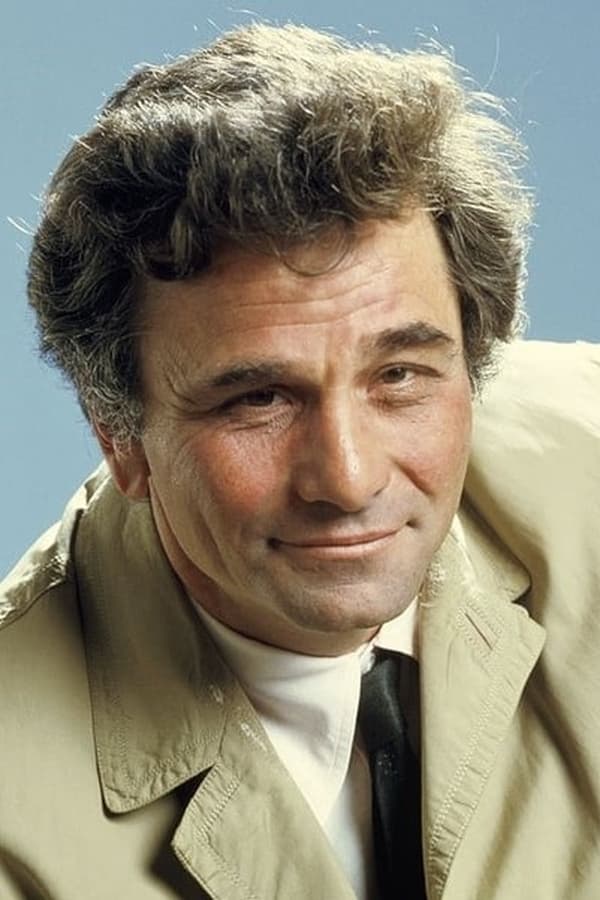
Peter Falk
Lt. Horatio Bixbee
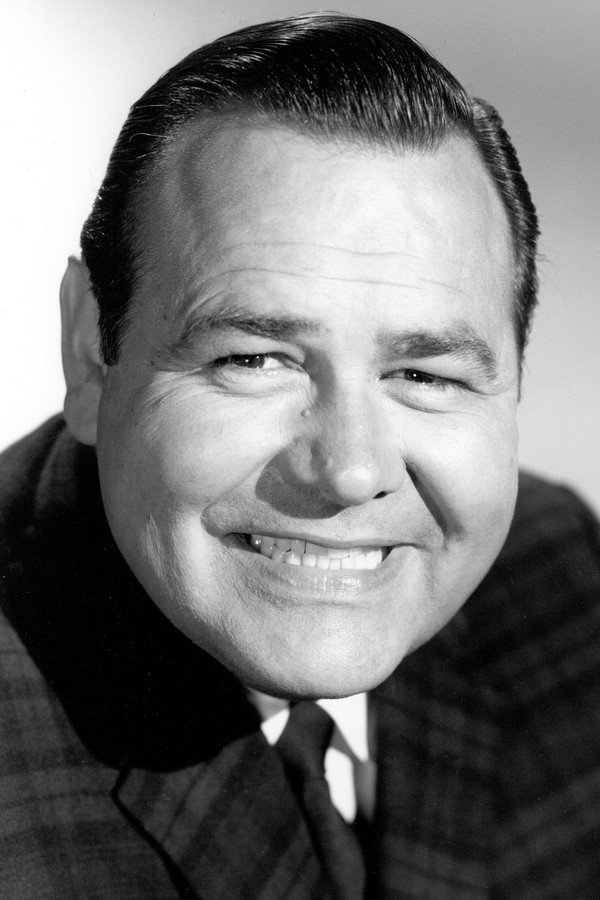
Jonathan Winters
Professor Klobb
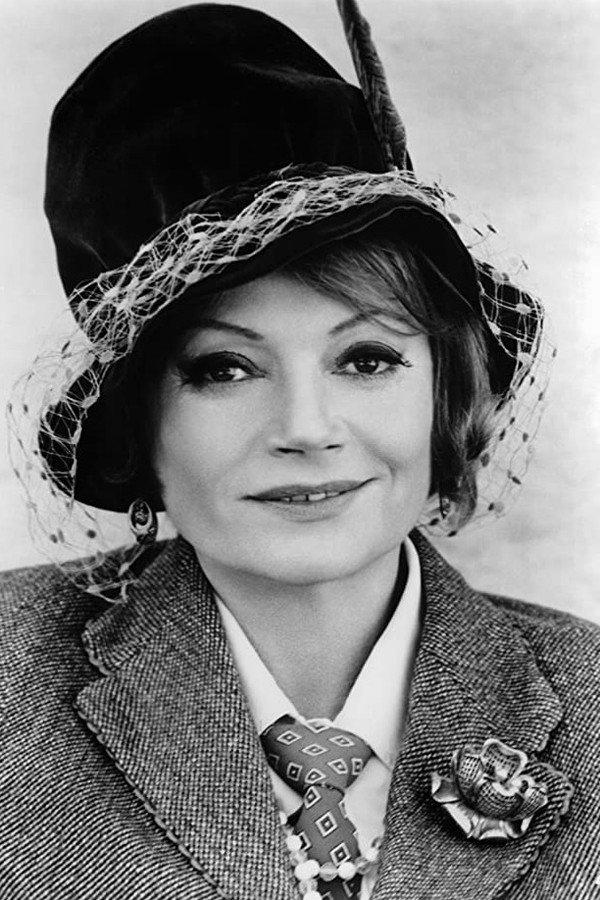
Lila Kedrova
Princess Sadaba
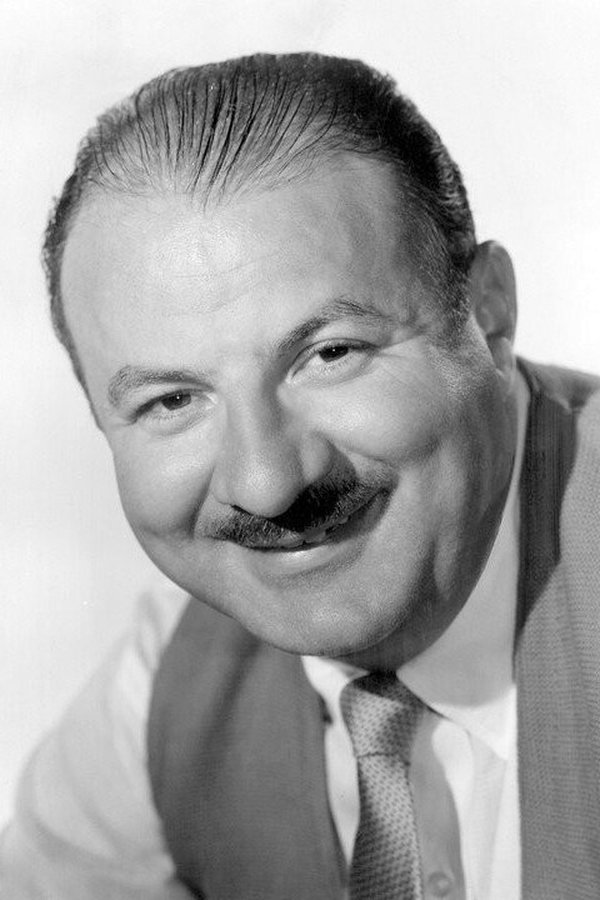
Lou Jacobi
Ducky

Norma Crane
Mildred Halliday

Arthur Malet
Major Higgins
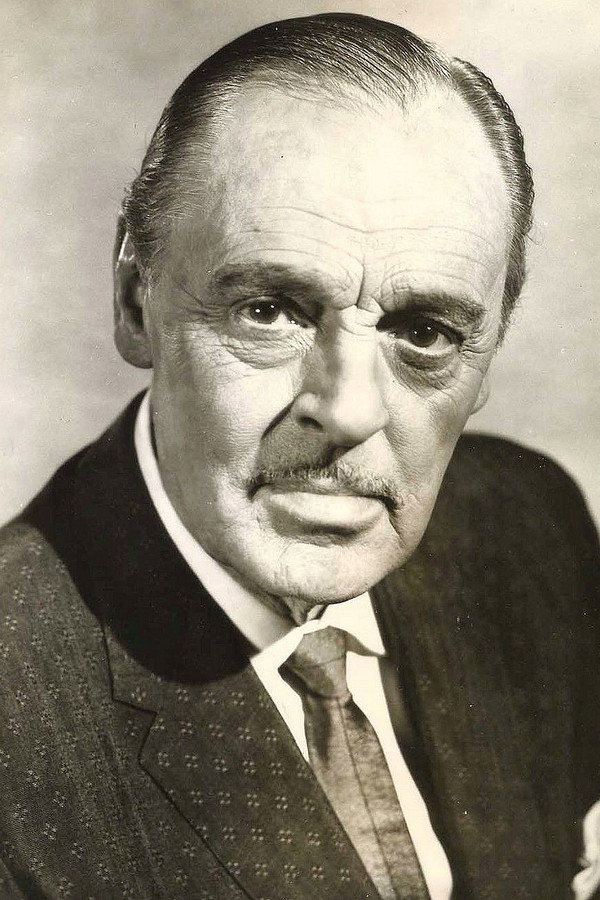
Jerome Cowan
Bank Manager

Arlene Golonka
Honeysuckle Rose
Writing great villains is about striking a balance between charming and evil, so we love them but also love to see them lose.
“Synchronic” is special, but it doesn’t succeed in achieving all the objectives it aims for. The film is a science fiction oeuvre which tries to be cerebral at some points, although the original idea is interesting, it only accomplishes to talk about some serious matters superficially.
When a powerful church leader is found dead, Benoit Blanc enters a tight-knit community where everyone has secrets, but not everyone is fully developed.
The Last Duel is about rape. Although the film delves into rape culture in medieval Europe, there are many striking similarities to modern rape culture.
This feels like the creative team wanted to make a body horror film, but the studio wanted to make another generic blockbuster.
This side-splitting workplace comedy features a diverse cast and tackles challenging social issues. Other sitcoms should take note.