Incluvie – Better diversity in movies.
Identity in film with Incluvie stamps, scores, reviews.

Incluvie – Better diversity in movies.
Explore identity in film with Incluvie stamps, scores, reviews, and insights.

trailer banner
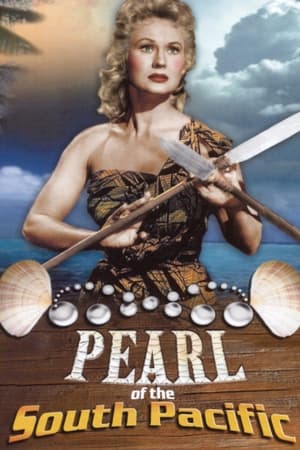
Pearl of the South Pacific poster

Pearl of the South Pacific (1955)

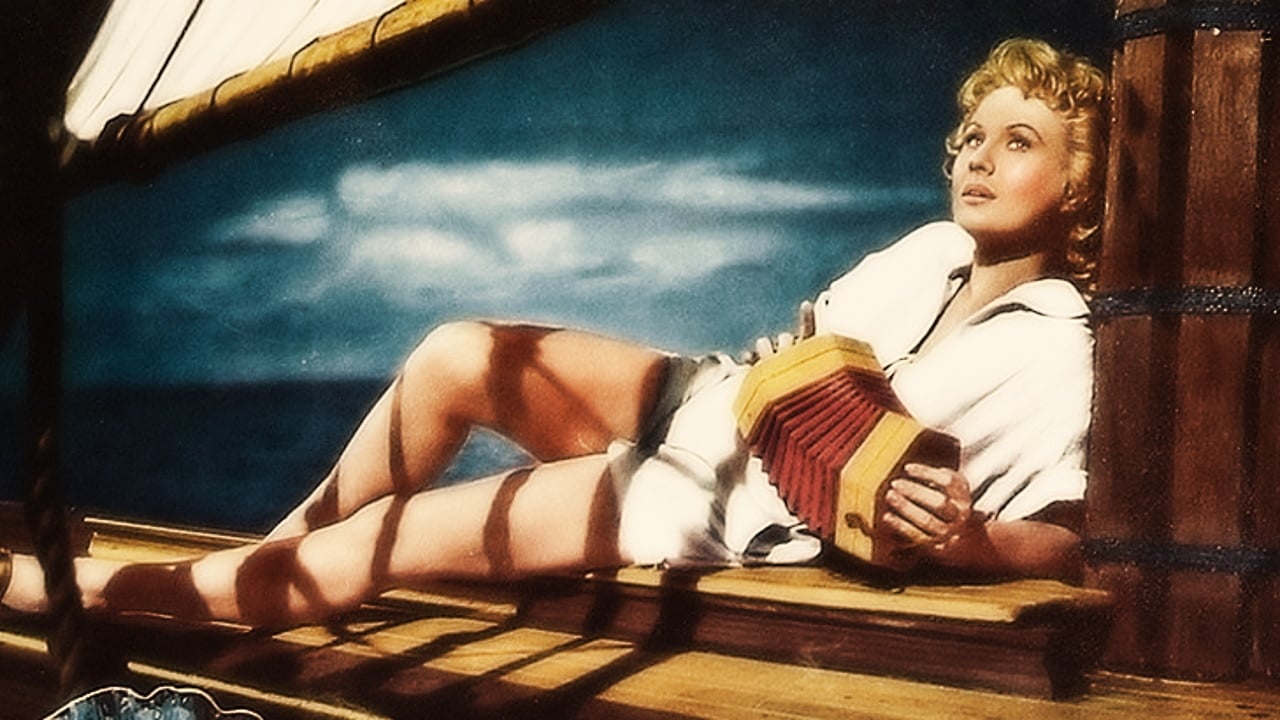
Two beachcombers with a yacht join woman-with-a-past Rita on a quest for black pearls on a secret island. Arrived, they find another white man has made himself high priest; but George, the latter's handome son, is fair game for Rita, who lands in the guise of a missionary! The inevitable conflict over the pearls brings violence and corruption to the quiet island.
- / 5
PopScore
Representation

Pictures and Videos


Incluvie Gala

Movie Information


Two beachcombers with a yacht join woman-with-a-past Rita on a quest for black pearls on a secret island. Arrived, they find another white man has made himself high priest; but George, the latter's handome son, is fair game for Rita, who lands in the guise of a missionary! The inevitable conflict over the pearls brings violence and corruption to the quiet island.

Rating:NR
Genre:Adventure
Directed By:Allan Dwan
Written By:Jesse Lasky Jr.
In Theaters:9/16/1955
Box Office:

Runtime:86 minutes
Studio:Benedict Bogeaus Production, RKO Radio Pictures, Filmcrest Productions

Articles You May Like


"Him" - All Flash, No Game

Him is visually stunning—all concrete cathedrals and bone-rattling impact shots that look like a nightmare highlight reel. Marlon Wayans is magnetic as this legendary quarterback who's basically selling salvation with a smile that never quite reaches his eyes. But the story keeps running in circles: more tests, more cryptic pep talks, more ritualistic drills. The sports-as-religion metaphor beats you over the head when subtlety would've been more effective. The middle drags, and that finale chooses spectacle over substance. It's undeniably stylish, but left me cold. Also worth noting: despite the Monkeypaw connection, this isn't actually a Jordan Peele film—he didn't write or direct.

Nilufer Ozmekik

"She’s Gotta Have It” was Ahead of the Curve in Portrayal of Female Sexuality

In Spike Lee’s She’s Gotta Have It (1986), we follow the love life of powerful female protagonist Nola Darling (Tracy Camilla Johns) and explore the relationship dynamics she has with her partners. She sees three men simultaneously: Greer Childs, (John Canada Terrell) Mars Blackmon (Spike Lee), and Jamie Overstreet (Tommy Redmond Hicks). Though an 80’s film, She’s Gotta Have It is surprisingly progressive with its themes of female sexuality, although at some points in the film it is handled clumsily. Overall Nola is an incredibly compelling character especially for modern women, as we as a society acknowledge female sensuality more and more without the negative stigma.
Andrea Amoroso