



Incluvie – Better diversity in movies.
Identity in film with Incluvie stamps, scores, reviews.

Incluvie – Better diversity in movies.
Explore identity in film with Incluvie stamps, scores, reviews, and insights.

trailer banner
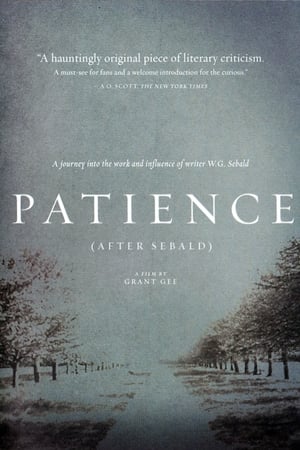
Patience (After Sebald) poster

Patience (After Sebald) 

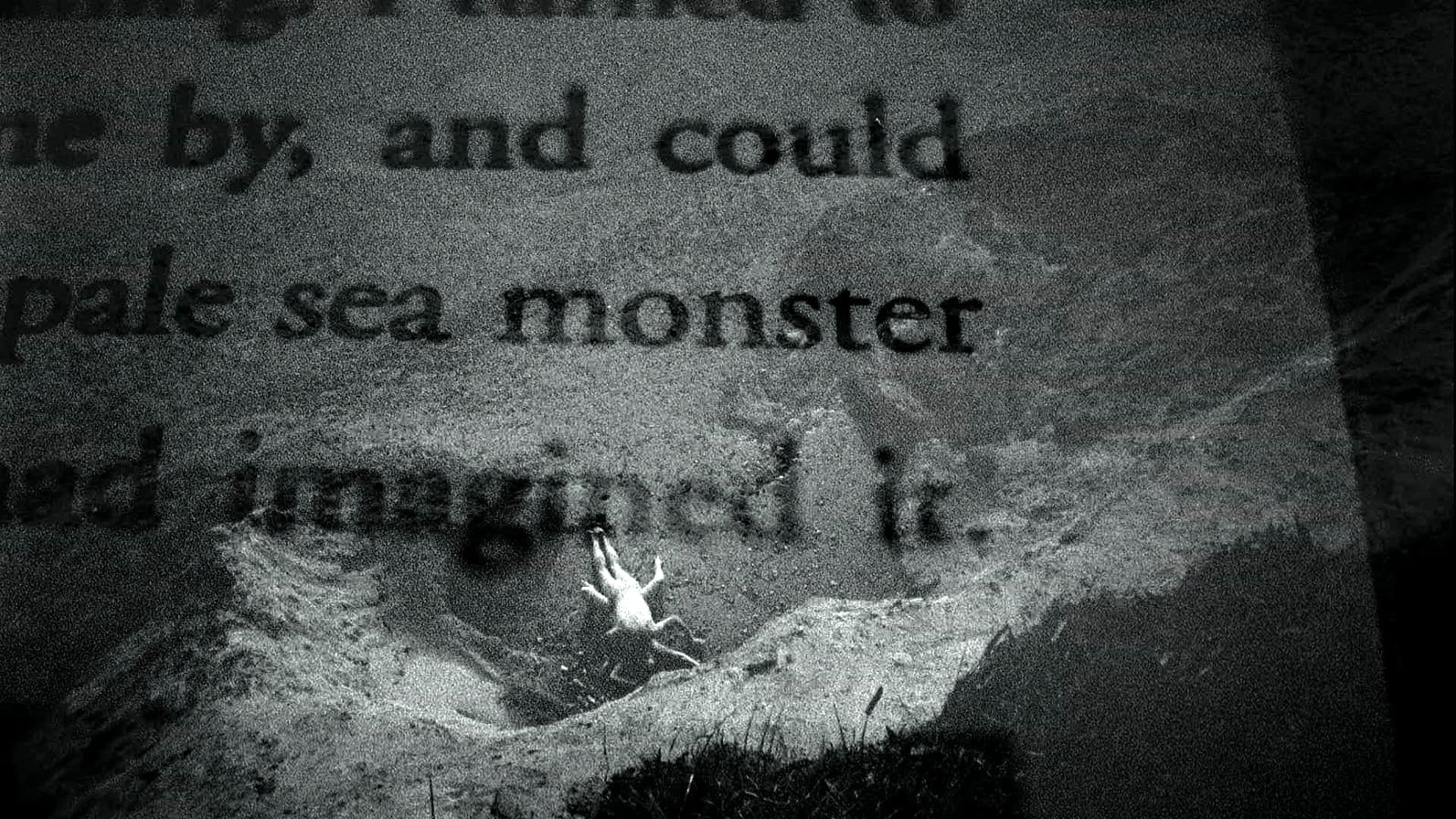
A richly textured essay film on landscape, art, history, life and loss, Patience (After Sebald) offers a unique exploration of the work of internationally acclaimed writer W.G. Max Sebald (1944 - 2001) via a walk through East Anglia tracking his most influential book, The Rings of Saturn. The much anticipated new feature by the Grierson Award-winning director of Joy Division, Patience is the first film about Sebald internationally, marking ten years since the writer's untimely death, and with contributions from major writers, artists and film-makers.
- / 5
PopScore
Representation

Pictures and Videos


Incluvie Gala

Movie Information


A richly textured essay film on landscape, art, history, life and loss, Patience (After Sebald) offers a unique exploration of the work of internationally acclaimed writer W.G. Max Sebald (1944 - 2001) via a walk through East Anglia tracking his most influential book, The Rings of Saturn. The much anticipated new feature by the Grierson Award-winning director of Joy Division, Patience is the first film about Sebald internationally, marking ten years since the writer's untimely death, and with contributions from major writers, artists and film-makers.

Rating:
Genre:Documentary
Directed By:Grant Gee
Written By:
In Theaters:
Box Office:$7,954
Runtime:90 minutes
Studio:Illuminations Films

Articles You May Like


The Rise of a Kindhearted Comedy Hero: The Anti-Toxic Masculinity Message of Brendan Fraser Films

Throughout Brendan Fraser’s career, he has played a plethora of unique, layered characters who explore the importance of not being afraid to display your emotions, something that is often seen to not be a masculine trait. This idea of regulating emotion and what traits men are able to possess creates a toxic atmosphere for men who are often told they should not cry or represent their emotions in any physical way. These characters represent that men can be joyful, emotionally conscious, and sensitive, while also representing their masculine identity instead of painting those qualities as fighting against their masculinity.

Amanda Mazzillo