Dead Poets Society Steals a Queer Story
Dead Poets Society relies on patriarchal tropes such as overbearing fathers, contrived brotherhood, and faux-individuality in order to portray its straight white male characters as oppressed.
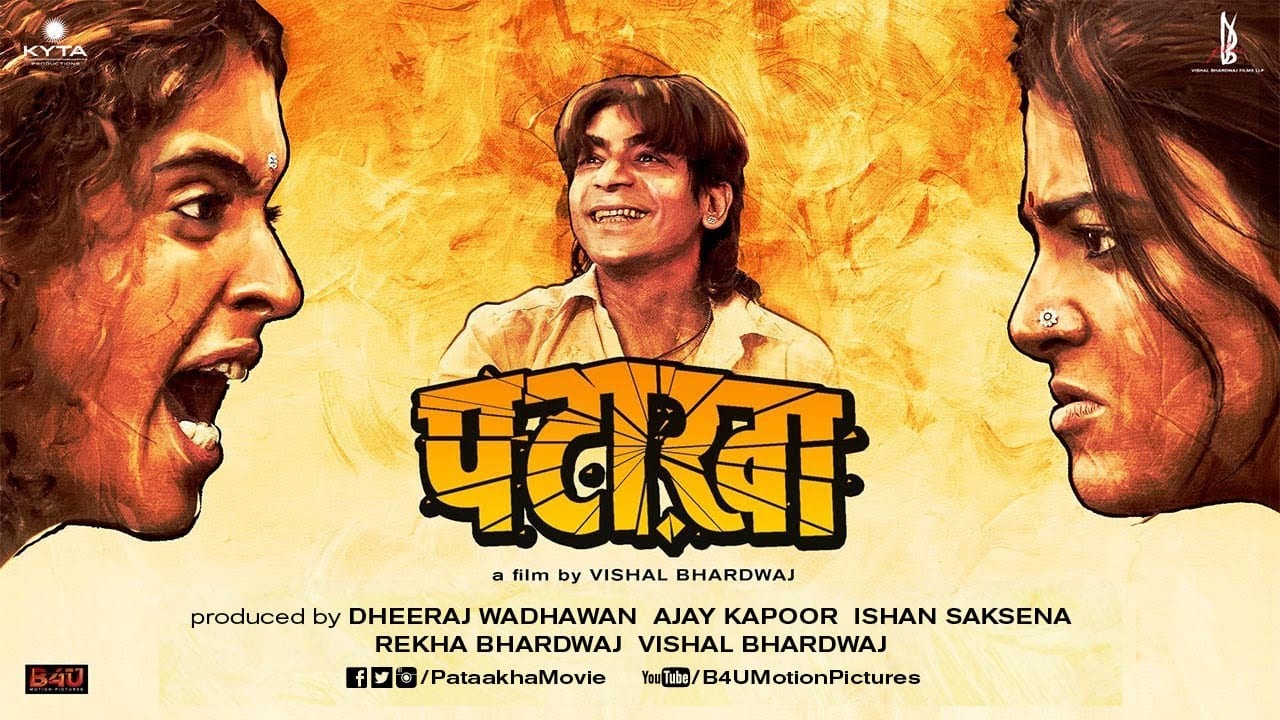
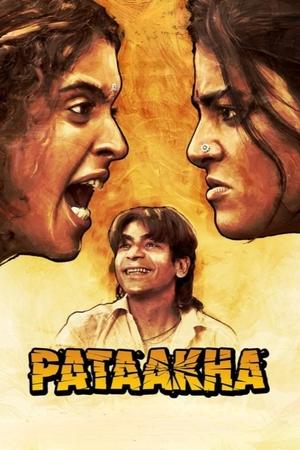


In a dusty Rajasthan village, two sisters, Badki and Chhutki, are constantly at each other's throats over trivial matters. Their father, a widower, struggles to keep them from tearing each other apart. Their meddling neighbour, Dipper, enjoys stirring up trouble between them. But when marriage takes them to different worlds, they discover how much they need each other.
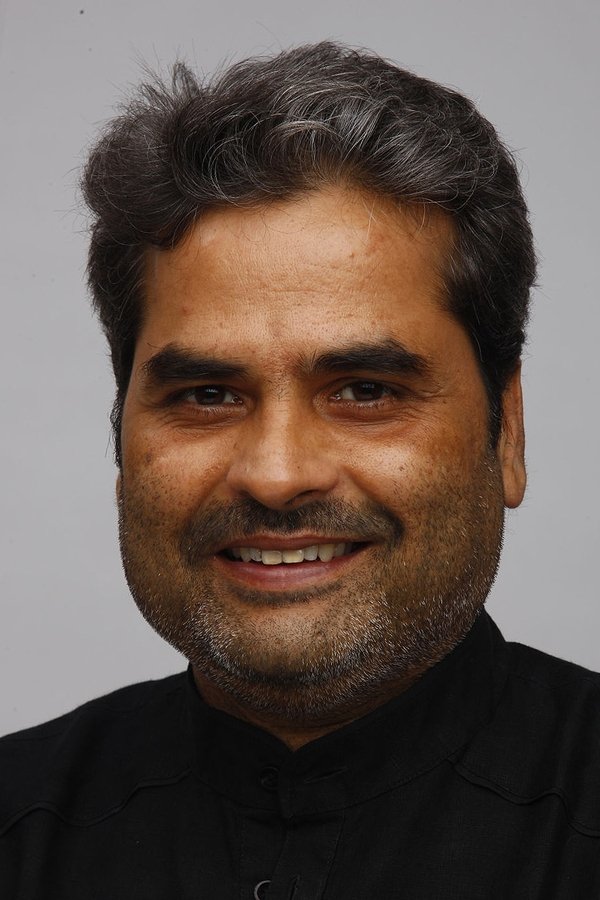
Vishal Bhardwaj
Director


Sanya Malhotra
Genda 'Chhutki' Kumari

Radhikka Madan
Champa 'Badki' Kumari
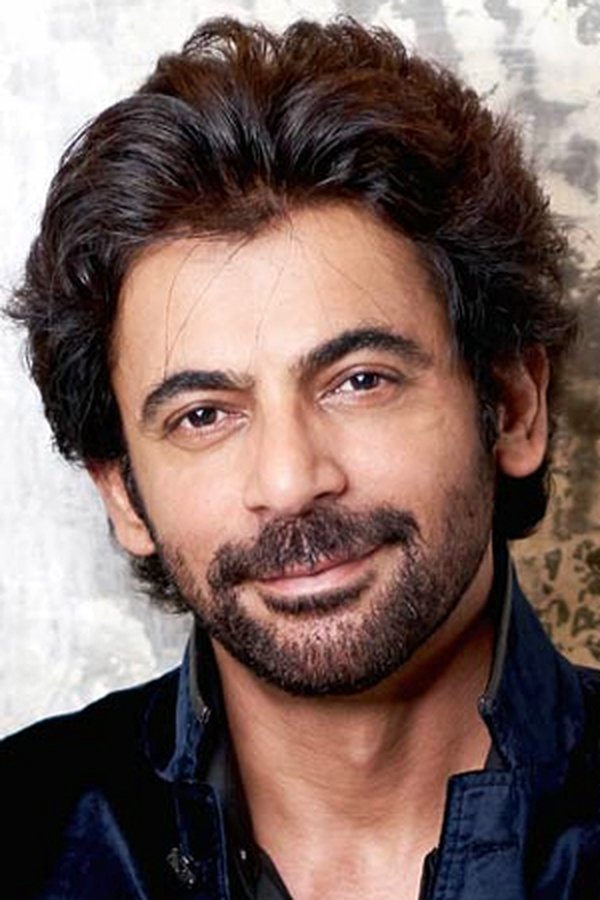
Sunil Grover
Dipper Naradmuni

Vijay Raaz
Bechara Bapu
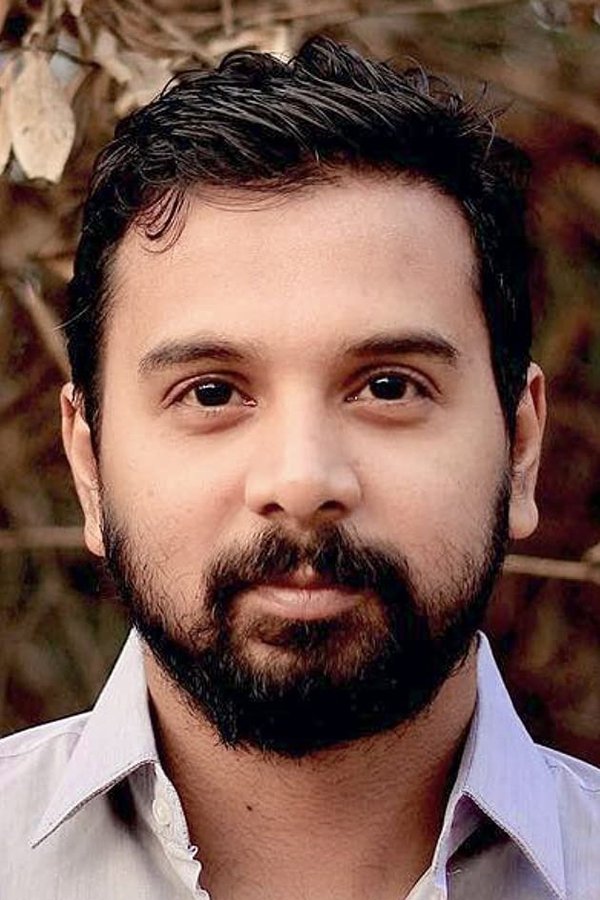
Namit Das
Jagan
Abhishek Duhan
Vishnu
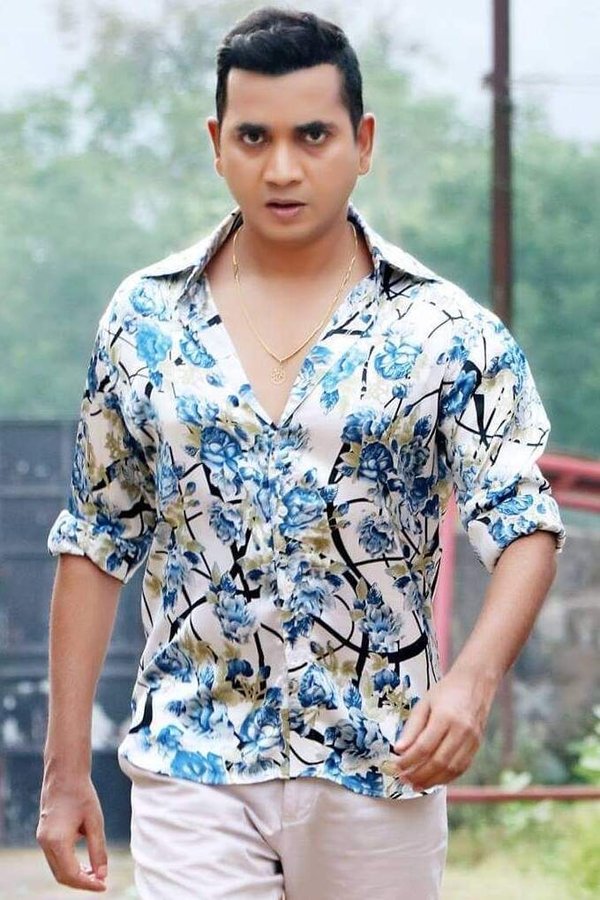
Saanand Verma
Tharki Patel
Usha Nagar
Daadi
Dev Rajora
Dairy Manager
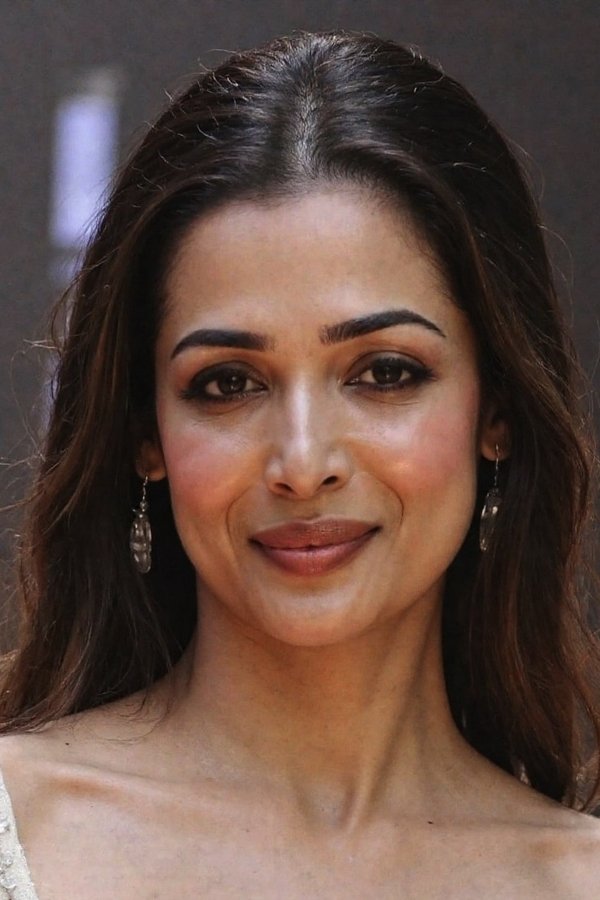
Malaika Arora
Dancer in "Hello Hello" Song
Dipansha Bansal
Roopanti
Dead Poets Society relies on patriarchal tropes such as overbearing fathers, contrived brotherhood, and faux-individuality in order to portray its straight white male characters as oppressed.
There were too many irrelevant parts that could have been shortened, and too many characters that didn't advance the plot. Either way, some things didn't add up. This was just another played out plot with little, if any, originality in it. By the end of the film, I wasn't happy that she finally got her freedom, I was happy that it was finally over.
Jeff Aquino’s film “Viral” placed second in 2020’s Incluvie Film Festival fest, he’s back again with his film "An A Peel for Justice".
Hokum is an enjoyable horror film that will probably get a little under your skin, but it isn’t the tour de force that you might be expecting.
White audiences saw Peola’s mixed-race passing as a Black woman’s struggle to be white. Black audiences saw it as the rebellion of a Black woman trying to gain privileges only given to white people.