

'Love, Victor' Season 3 Review: Disney+ Means More Disney Fluff
This Pride month, Hulu’s 'Love, Victor' comes to a close with its third and final season—it’s most complicated yet sweetest season yet.
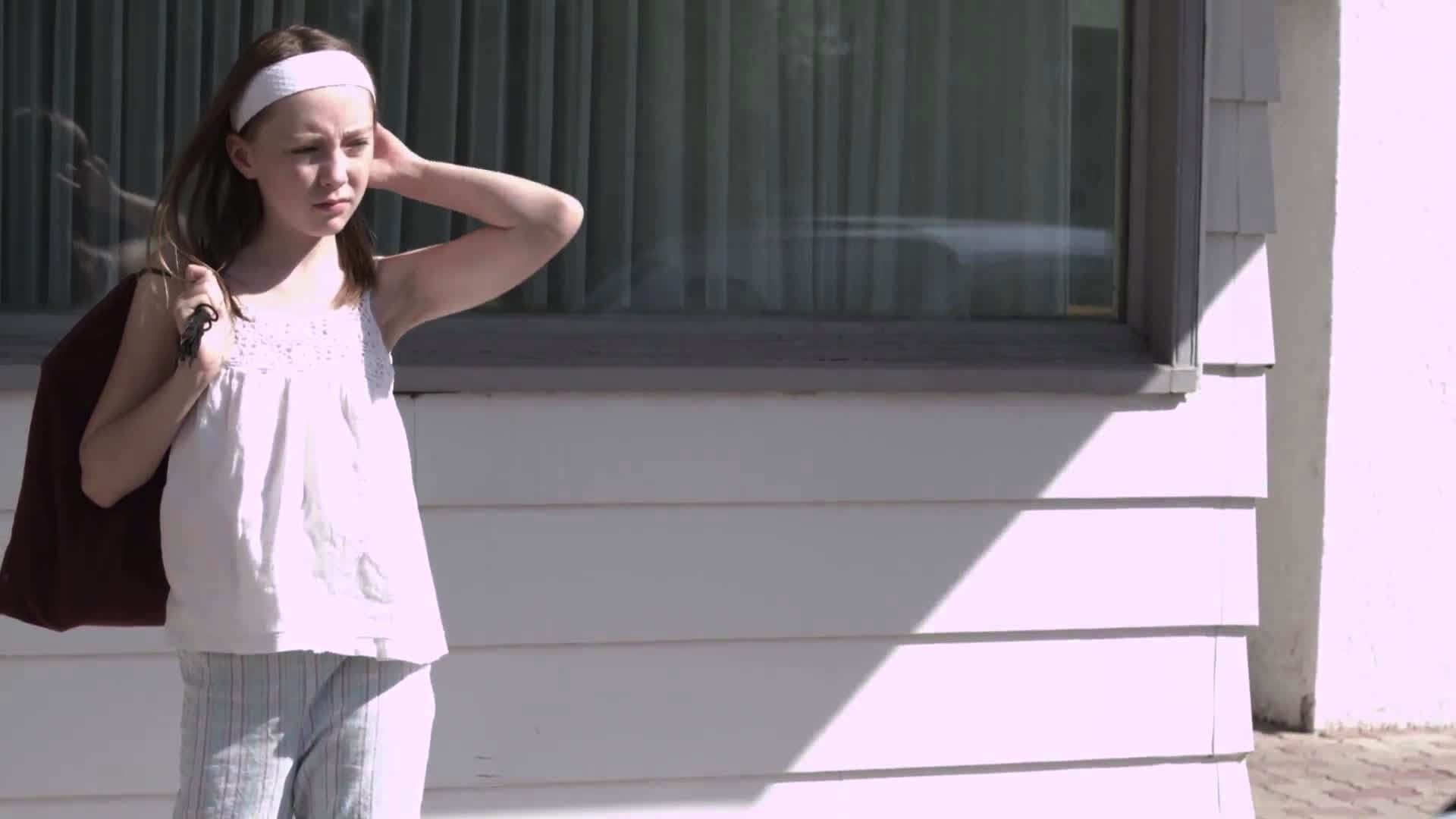
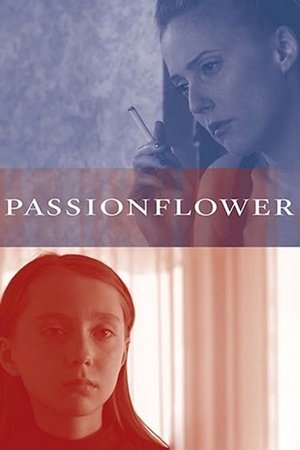


On the brink of puberty in 1962 suburban Winnipeg, Sarah Matthews is increasingly challenged and confused by her mother’s instability and sexual power. While her father refuses to acknowledge that the family is fracturing under the stress of his wife’s mental illness, Sarah uses her creativity, inner strength, and a new friend to discover her own identity. With courage, Sarah bears witness and demands truth from the adults around her, demonstrating love’s capacity to endure.
This Pride month, Hulu’s 'Love, Victor' comes to a close with its third and final season—it’s most complicated yet sweetest season yet.
With The Father, writer-director Florian Zeller- who wrote and developed the play upon which the film is based- pulls no punches as he confidently makes every effort to put the audience in the mind of someone whose grip on reality has all but vanished. It’s a dazzling testament to Zeller’s abilities as a director as he makes his first transition from stage to film appear as if he’s been working behind a camera his entire career. The dialogue he fashions with co-writer Christopher Hampton, along with the work of production designers Peter Francis and Cathy Featherstone, collectively makes the downward spiral of dementia startlingly tangible, doing so in a way that can be comprehended by everyone except the person it directly affects.
This HBO mini-series asks why a young white man turned to violence and finds no easy answers. But why do we only ask questions about certain kinds of killers?
Shudder’s Host (not a particularly original title, I must say) attempts to bring the spooks to “the quarantine generation” by presenting us with a scary Zoom call during lockdown.
Netflix’s Shadow and Bone has a complicated relationship with race. It has a diverse cast, but not without its problems. Based on Leigh Bardugo’s two book series, the show features characters from the Shadow and Bone trilogy, which is very straight and white, and the Six of Crows duology, which is much more diverse. When bringing together a cast and writing about these characters, the team behind the show expanded upon some of the representation missing from the first trilogy, then seemed to take away representation from the duology. Shadow and Bone seems to play a bit of a push and pull game when it comes to portraying diversity onscreen.
While this film thinks that it is diagnosing the cause, it is merely diagnosing a symptom instead.