


“Bury Your Gays” Trope in TV and How “Wynonna Earp” Defies it
I think that the happiness and survival of "Wynonna Earp"’s LGBTQ+ characters is incredibly refreshing in contrast to the prevalence of queer suffering and death in other television.

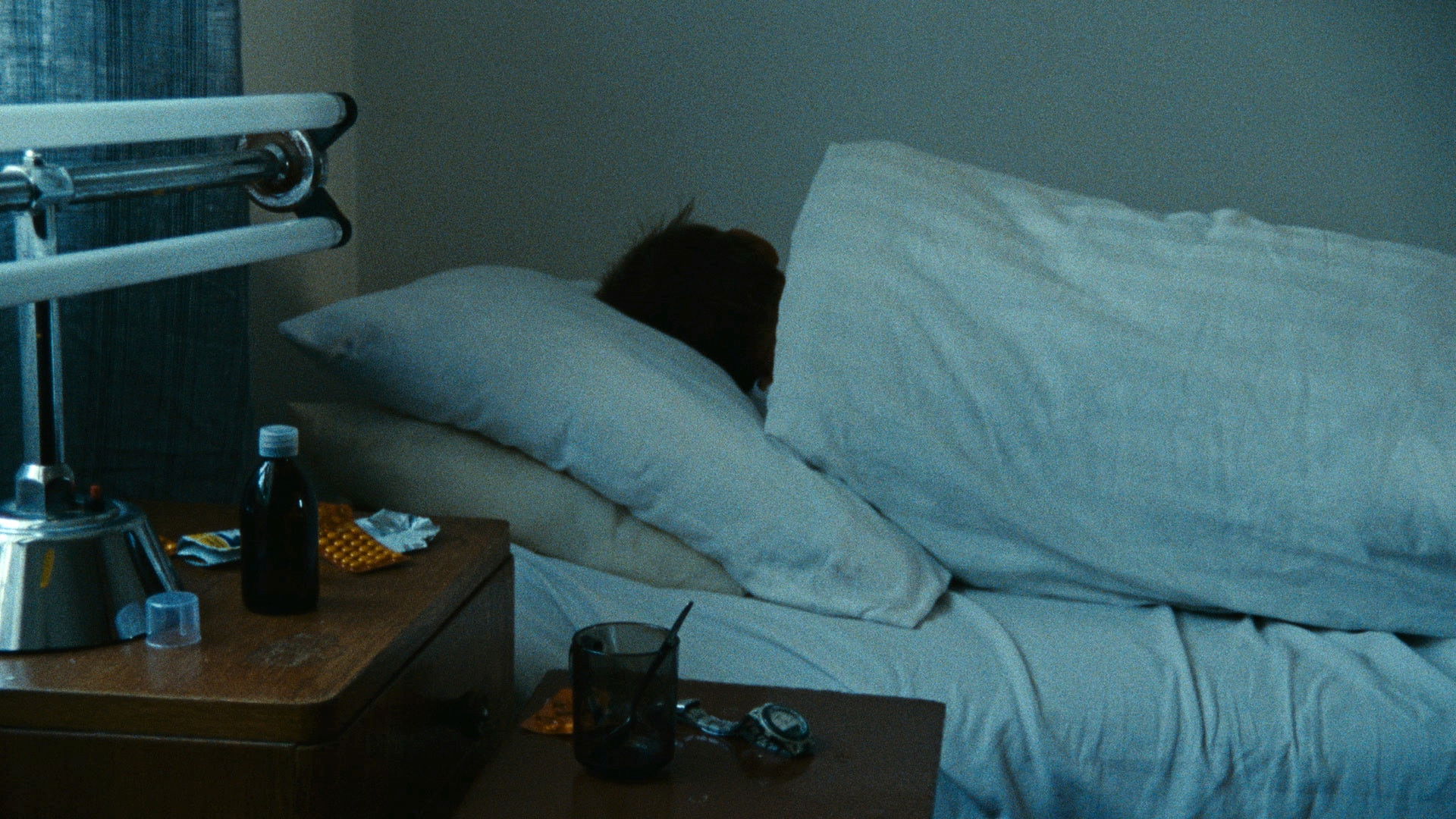
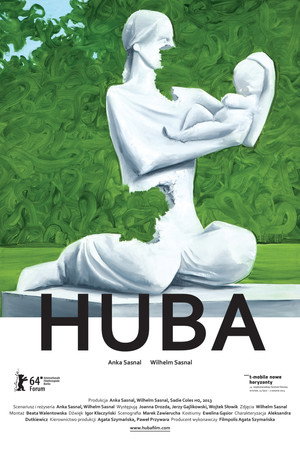
A film about an ailing old man and a young mother. After retiring from the factory, the man, deprived of his daily routine, loses control over his time. Unable to eat or sleep, he starts drying up. The mother and child are like a single organism. Yet their relationship is, for all its closeness, one of dependence and inequality. The child, whose attachment to life is the strongest, is ravenous and needy; the woman, though enjoying a brief moment of freedom, is doomed to be a victim, while the old man has nothing to keep him going now that he can no longer work at the factory. When the three of them try to have a life together, they are like the Holy Family reversed. Brought together by chance, their lives intertwine in a web of oppression. The film follows their daily existence and slow decline.
I think that the happiness and survival of "Wynonna Earp"’s LGBTQ+ characters is incredibly refreshing in contrast to the prevalence of queer suffering and death in other television.
At first glance, one wouldn't think John Carpenter's cult classic would be a thematic double-billing - or that Free Guy would be worthy of being mentioned in the same sentence as They Live - but the two films of vastly different genres have more similarities upon further examination.
Leveraging the cockiness of many of his interview subjects, Theroux created an exposing documentary that shows just how scary these sections of the internet can be.
Personalities clash and tempers fume in a family-run Chicago restaurant
Narnia, Avengers: Doomsday, Jumanji 3 are some compelling ones! Some of the biggest 2026 movies tied to popular franchises, books, video games, comics, and existing series. Marvel and DC, Disney and Pixar.