
Māhū—Reclaiming what’s rightfully theirs
Why did Māhū, a term once respected in Hawaiian culture, become so controversial?
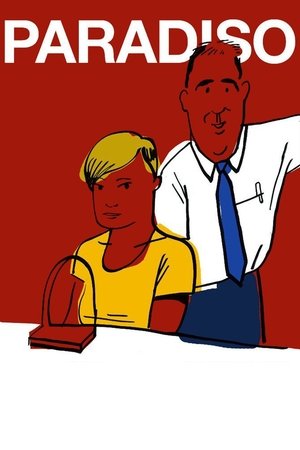


The “Duque de Alba” is the last adult movie theatre remaining in Madrid. Rafael, the projectionist, works hard every day in order to make the place tidier. He hand-paints the movie posters himself, he puts flowers and houseplants around, he fits out the entrance… Even though pornography is mostly consumed online, the theatre works due to a fixed clientele. The “Duque de Alba” is, indeed, more than just an adult movie theatre: it is a shelter, a refuge. Yet Rafael has to face a new problem now: Luisa, the ticket clerk with whom he’s worked with for more than thirty years, the only one who helps him make the theatre a better place, is about to retire.
Why did Māhū, a term once respected in Hawaiian culture, become so controversial?
After years of silence, trauma, and backlash, Rose McGowan tells her own story in this miniseries.
This coming-of-age musical features a strong representation of LGBTQ+ individuals coming-of-age.
The social issues The Half of it takes on are handled well, between the antagonization brought on to Ellie for her race and the conflict that arises from her being gay. Both aspects of her character are built up over the course of the film and don’t seem abrupt or rushed. The film shows racism towards Ellie and her and father in varying levels, from having her schoolmates specifically address her as "Chinese girl” to the fore mentioned way her Dad is treated due to language barriers. The same can be said about Ellie being a lesbian. While she never truly “comes out” in the narrative, that does not undermine her journey of self-discovery from being meaningful. These ideas aren’t thrust upon the viewer in a preachy manor, the scenarios that occur feel believable given the rural setting. The film presents watchers with problems whom those like Ellie may face, and leaves us to sit with them and reflect.
From its visually stunning opening credits, which show women dancing through a forest to musical rhythms that sound almost primal, to its quiet, heartbreaking final frame, Mona Fastvold’s historical rendering of the Shaker religious movement is an experience that will stay with me for a long time.