“Bury Your Gays” Trope in TV and How “Wynonna Earp” Defies it
I think that the happiness and survival of "Wynonna Earp"’s LGBTQ+ characters is incredibly refreshing in contrast to the prevalence of queer suffering and death in other television.
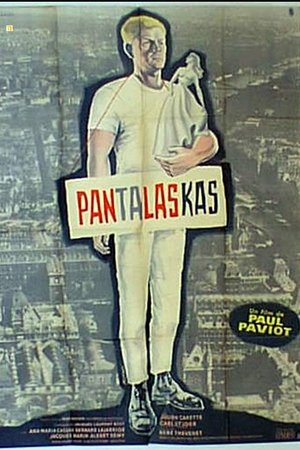


An off-beat, uneven tale about a man intent on suicide and the three people who try to talk him out of it, Pantalaskas stars American Carl Studer in the title role of the morose, would-be suicide. Set in Paris and taking place over an entire night, the story has a complication in that the trio who want to prevent the suicide do not speak the man's language -- he is Lithuanian and speaks no French. So the protagonists comb the underbelly of a nighttime Paris, looking high and low but mostly low for anyone who speaks Lithuanian. Depending mainly on dialogue for its impact, the verbose drama reveals how the protagonists undergo a transformation as the night wears on.

Paul Paviot
Director


Carl Studer
Casimir Pantalaskas
Ana María Cassan
Anna-Maria

Bernard Lajarrige
Clergeon

Daniel Emilfork
The baron

Jacques Marin
Tropmann

Albert Rémy
Georges Battistini

Dominique Boschero
The brunette prostitute

Marie-Hélène Dasté
The illuminated

Hubert Deschamps
Rabiniot

Yvette Etiévant
Maria Clairgeon
Lucien Guervil
Brigadier Cogneau
I think that the happiness and survival of "Wynonna Earp"’s LGBTQ+ characters is incredibly refreshing in contrast to the prevalence of queer suffering and death in other television.
Taika Waititi and the cast of Thor: Love and Thunder have been hyping up the gayness of this movie, and while there are queer characters, it's not quite the representation we were hoping for.
Dashing in December follows the tried and true outline of a traditional holiday romance, with a less traditional middle-aged gay couple as the film's romantic focus.
The Forge is a moving story about a young man’s search for purpose. Through mentorship, discipline, and faith in God, his life is transformed from confusion into clarity, reminding us that true greatness is shaped in the fire of surrender and growth.
If you identify as part of the queer community, or if you love old school slasher flicks, you will love this movie.