
Early Feminism Shown in 'Footlight Parade' (1933)
We can criticize depictions from old media, but they weren’t simply “good for their time”. They were fighting and struggling in a world we can’t imagine.
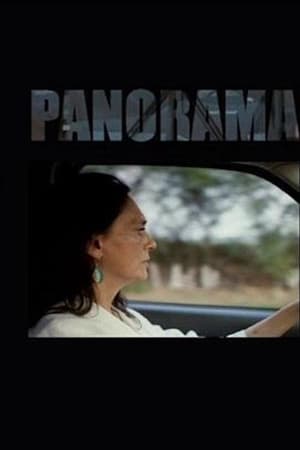


In recent years it has become the handiest character of Mexican cinema: the Chilango fleeing the capital to the province in search of something. But this case is different because the trip is used as an excuse to illustrate, through documentary techniques, the deep contrasts of Mexican society. Tired of the city, Javier goes to visit his aunt, an eccentric woman with quite radical ideas, who lives isolated from the world in a ranch in Querétaro. Javier works as a laborer for an Argentinean foreman, with whom he shares a few passions. His life begins to change.
We can criticize depictions from old media, but they weren’t simply “good for their time”. They were fighting and struggling in a world we can’t imagine.
Director Martin Scorsese broadens his boundaries from mafia-driven movies, to a Buddhist biopic of the 14th Dalai Lama. While Buddhism strives for peace, ‘Kundun’ reveals the violence inflicted on Tibetan Buddhists and Scorsese’s depiction of violence does not stray away.
Disney+ recently released six short films entitled the “Launchpad” collection in which diverse directors tell diverse stories. These shorts are exactly the kind of films we here at Incluvie want to see more of. These are stories of intersectionality, inclusion, and diversity. And every short stars a cluvie!
This is a film that is going to leave some people bored, and some people thrilled.
"La Noria" deftly subverts audience expectations as it explores childhood grief, anxieties, and pain. The award-winning short shows us that often our monsters are often sprung from our darkest places.
Honey Don't! is a chaotic queer noir that's part detective story, part midnight movie madness. Margaret Qualley is fantastic as the wise-cracking private eye Honey, with Aubrey Plaza and Chris Evans adding their own dry humor to the mix. The mystery itself is pretty loose, but the film makes up for it with crackling sexual tension, weird side characters, and razor-sharp dialogue. It's messy and uneven, but in the best possible way.