



Incluvie – Better diversity in movies.
Identity in film with Incluvie stamps, scores, reviews.

Incluvie – Better diversity in movies.
Explore identity in film with Incluvie stamps, scores, reviews, and insights.

trailer banner
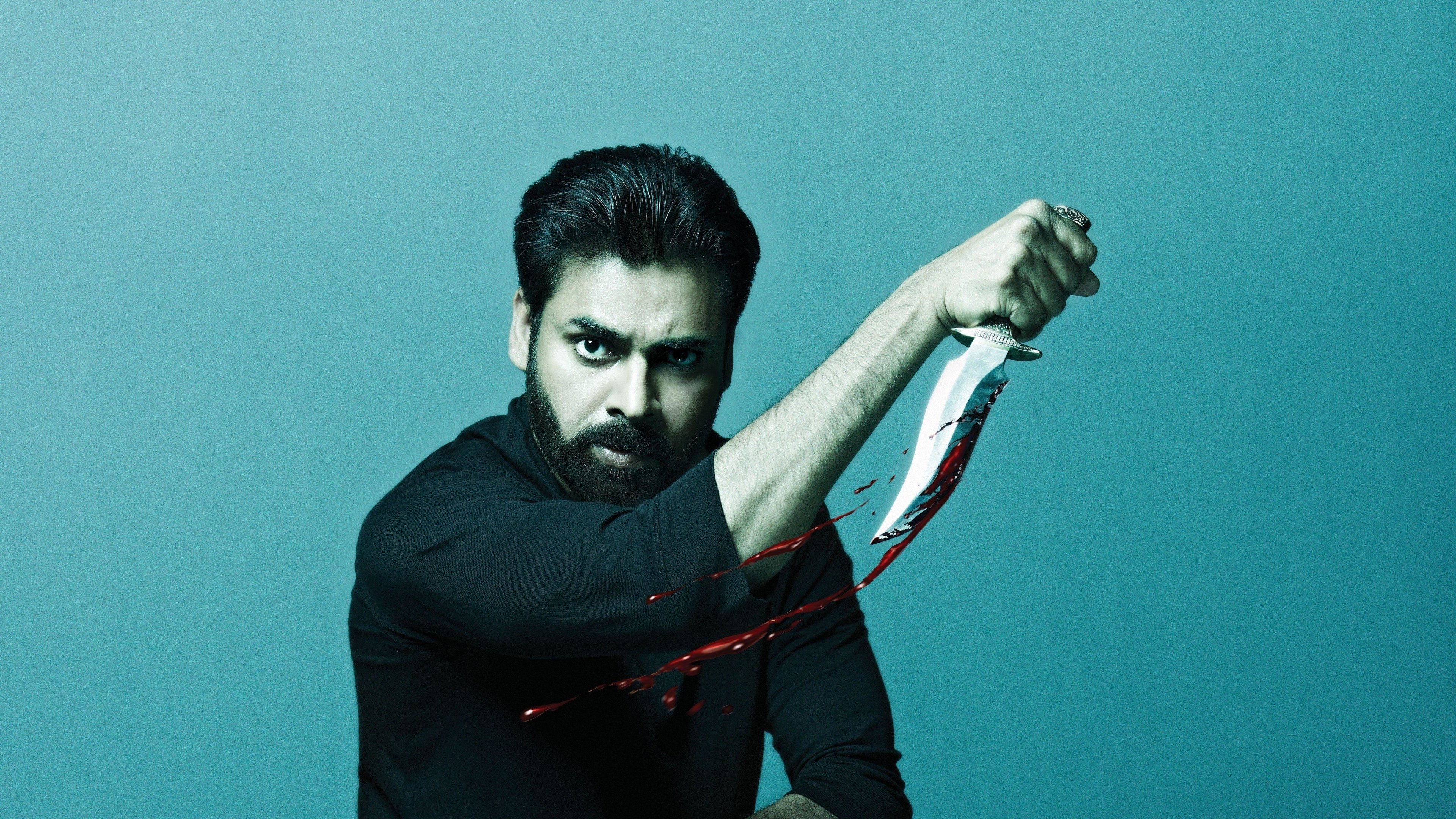
Panjaa poster

Panjaa (2011)

Jai, an orphan, falls into bad company after Bhagwan, a gangster, gives him shelter and hope to live. However, Jai and Munna, Bhagwan's son, fight with each other after Munna kills an innocent woman.
- / 5
PopScore
Representation

Pictures and Videos


Incluvie Gala

Movie Information


Jai, an orphan, falls into bad company after Bhagwan, a gangster, gives him shelter and hope to live. However, Jai and Munna, Bhagwan's son, fight with each other after Munna kills an innocent woman.

Rating:
Genre:Action
Directed By:Vishnu Varadhan
Written By:
In Theaters:12/9/2011
Box Office:

Runtime:156 minutes
Studio:Arka Media Works, Sanghamitra Arts

Articles You May Like


Reclaiming Her Body: "Jennifer’s Body" & Why We Need Diverse Storytellers

The height of subversive horror cinema is Jennifer’s Body. No, I will never budge on that. Yes, Cabin in The Woods is funny, Scream is very well made, and the Scary Movie franchise is …. there. But nothing is quite as satisfying as watching the teenage succubus that is Jennifer Check rip apart boys. In the post #metoo era where the industry is far from changed, watching revenge flicks like these is probably one of the most cathartic experiences due to the slow-moving progress being made.

Aspen Nelson

Who Needs 'Independence Day' When You've Got 'Sorry to Bother You'?

Sorry to Bother You ultimately speaks to the unfair advantages that the country’s power structures award to those with the resources to control others, as Lift’s easy access to the media allows his opinion to be the only one that matters in the eyes of the unsuspecting and easily impressed public. Moreover, it reveals the extent to which the American Dream has any true validity. It postulates how the promise of success and fulfillment as promoted by the American Dream more often than not leads to the undoing of the individual. Interestingly, in its revealing of the American Dream as merely a facade, Sorry to Bother You wisely questions whether or not anything can really be done to undo a system that has been accepted and in action for centuries.

Matt Geiger